
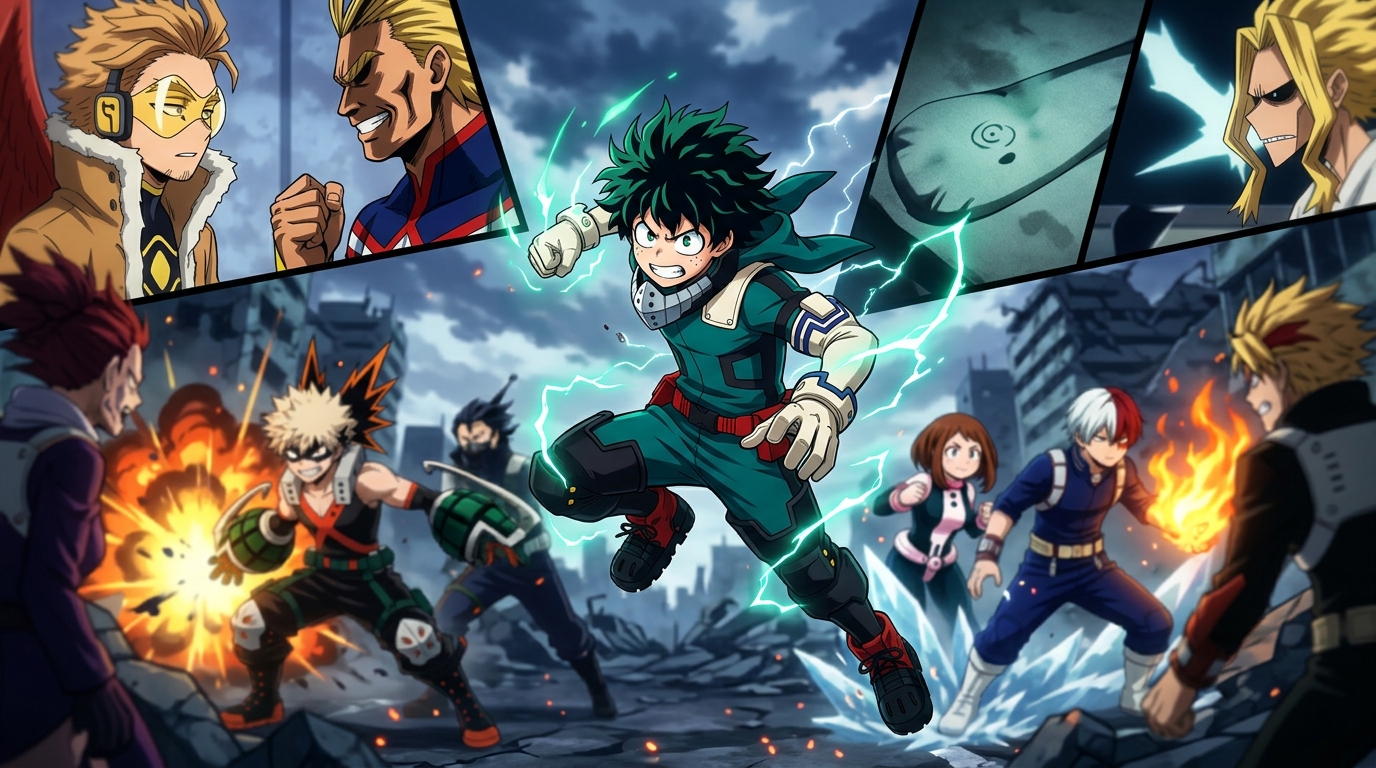
You just finished watching the latest My Hero Academia episode, and it felt incredible. The action sequences hit perfectly, the character moments landed, and you’re already counting down to next week. But here’s the thing: you probably missed at least five carefully planted details that Studio Bones tucked into those 24 minutes. These aren’t just random background elements. They’re deliberate callbacks, manga references, and foreshadowing that enrich the entire viewing experience once you spot them.
My Hero Academia episodes contain layers of hidden details including background character appearances, manga panel recreations, subtle foreshadowing, quirk activation tells, and Japanese cultural references. Dedicated fans who rewatch episodes with focused attention on specific elements like costume damage continuity, background conversations, and frame-by-frame animation choices discover storytelling depth that transforms their viewing experience and appreciation for the series.
Background Characters Tell Their Own Stories
The crowd scenes in My Hero Academia aren’t just filler. Studio Bones consistently places recognizable faces in the background, sometimes episodes before they become relevant to the main plot.
During the Sports Festival arc, you can spot students from other hero courses watching from the stands. These aren’t random designs. Many of them appear later in Joint Training exercises or during major battles. The animators invest time creating these characters knowing they’ll matter eventually.
Class 1-B students appear in the background of UA hallway scenes throughout season two, long before their formal introduction. Monoma shows up in at least three episodes before speaking a single line. Tetsutetsu walks past the camera during a cafeteria scene in an episode that aired two months before his fight with Kirishima.
This technique creates a lived-in world. UA feels like an actual school with hundreds of students, not just the 20 kids we follow closely.
Watch for these background appearances:
- Pro heroes shopping in civilian clothes during city scenes
- Previous villain attack survivors appearing in news broadcast crowds
- Hero course students training in distant windows during outdoor scenes
- Support course students testing equipment in background laboratories
- General education students in hallways during class transition moments
Costume Damage Carries Between Scenes
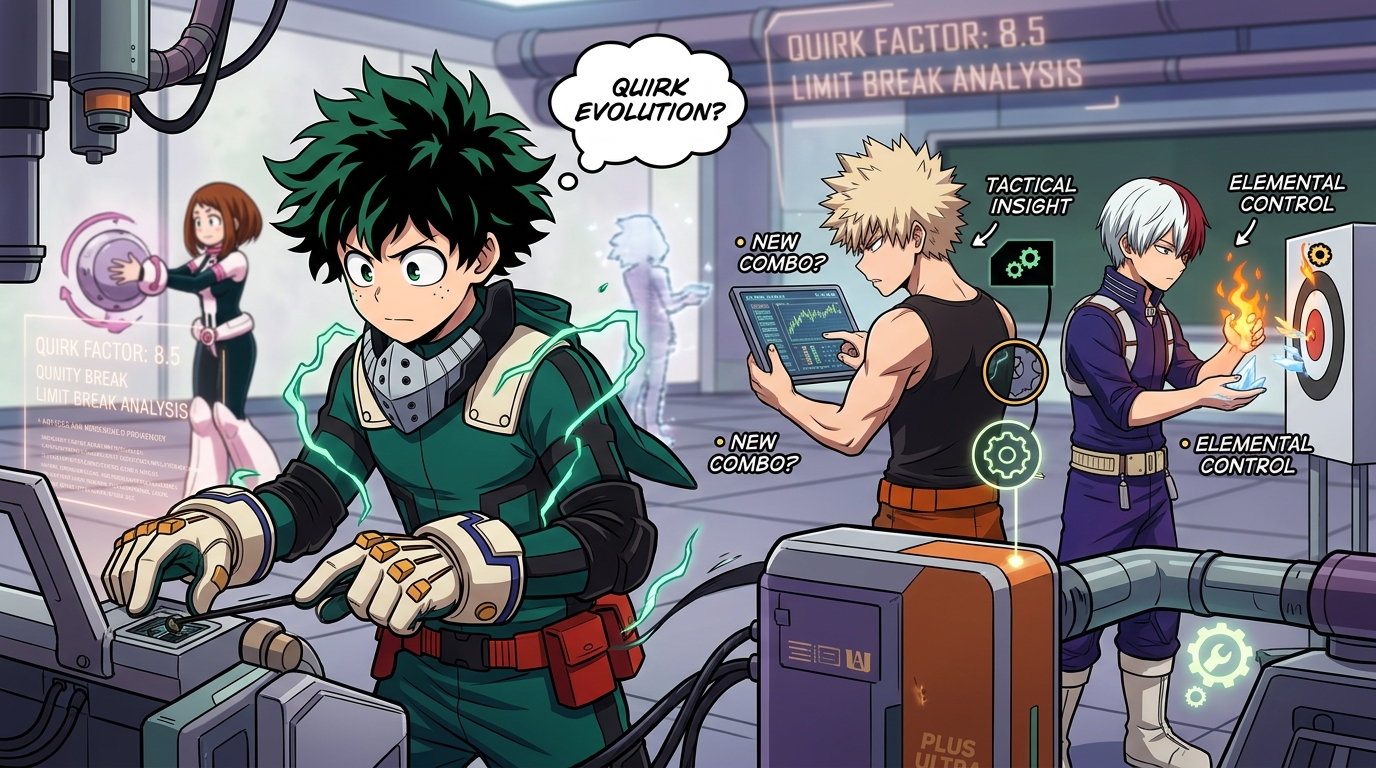
Here’s something most viewers miss on first watch: costume damage persists across scenes within the same episode timeline. If Midoriya tears his left glove during a fight, that tear remains visible in subsequent shots until he changes costumes.
This level of continuity requires significant coordination between animation teams. Different animators work on different scenes, yet the damage patterns match. It’s not accidental.
During the Overhaul arc, Midoriya’s costume accumulates specific damage patterns. The tears, burns, and dirt marks stay consistent across multiple episodes. When he finally gets a new costume, the visual reset signals a narrative shift.
Bakugo’s gauntlets show wear patterns that match his fighting style. The right gauntlet, which he uses more frequently for large explosions, displays more scorch marks and stress fractures than the left.
Pay attention to these continuity elements:
- Scuff marks on hero boots matching their movement patterns
- Torn cape edges that flutter consistently in subsequent shots
- Cracked support items that characters continue using despite damage
- Dirt and debris placement on costumes matching their environment
- Bandage placement from previous injuries visible under costumes
Manga Panel Recreation Moments
Studio Bones regularly recreates iconic manga panels shot-for-shot. These moments serve as love letters to manga readers while creating striking visual compositions that anime-only viewers remember.
The technique involves matching the exact character positioning, camera angle, and even the shading style Horikoshi uses in his artwork. These shots often pause slightly longer than standard animation, giving them extra weight.
All Might’s “I am here” poses frequently match specific manga panels. The animators study Horikoshi’s dynamic line work and translate it into animation. When All Might arrives to save students, his entrance pose often mirrors the manga exactly.
Shigaraki’s hand placement on his face matches specific manga illustrations during key emotional moments. The fingers curl at identical angles, creating the same unsettling effect.
These recreations aren’t limited to major characters. Background hero poses during crowd scenes sometimes match obscure manga panels from bonus chapters or volume extras.
| Episode Type | Recreation Frequency | Common Elements |
|---|---|---|
| Major battles | 3-5 per episode | Character poses, impact frames |
| Character introductions | 2-3 per episode | Entrance shots, close-ups |
| Emotional climax | 1-2 per episode | Facial expressions, hand positions |
| Comedy moments | 1-3 per episode | Reaction faces, chibi transitions |
Quirk Activation Visual Tells
Every quirk has subtle visual indicators that appear frames before the actual power activates. These tells reward attentive viewers who can anticipate attacks before they land.
Bakugo’s palms emit tiny spark particles about six frames before his explosions. During high-speed fights, catching these sparks lets you predict his attack timing.
Todoroki’s breath becomes visible two to three frames before ice attacks. His left side shows heat distortion before fire attacks. These environmental cues match real physics, making the powers feel grounded.
Uraraka touches her fingertips together in a specific sequence before releasing gravity effects. The animation shows each finger making contact in order, creating a consistent deactivation ritual.
Midoriya’s green lightning doesn’t appear instantly. It builds from his core outward over several frames, with the intensity matching his power percentage. At lower percentages, the lightning appears thinner and less bright.
“The small details in quirk animation separate good action from great action. When viewers can read the visual language of each power, fights become conversations they can follow at full speed.” – Animation principle applied throughout the series
Japanese Cultural References Embedded in Scenes
My Hero Academia includes Japanese cultural elements that international viewers often miss without context. These aren’t just aesthetic choices; they carry meaning that deepens character moments.
Character names contain kanji puns related to their quirks or personalities. Bakugo Katsuki’s name uses characters meaning “bomb” and “victory.” Midoriya Izuku’s name can be read as “green valley,” matching his costume color and representing growth from humble origins.
Festival episodes reference real Japanese celebrations. The cultural festival arc mirrors actual school festival traditions, including the specific types of performances, food stalls, and preparation timelines Japanese students experience.
All Might’s hero costume draws from American comic aesthetics, but his color scheme matches the Japanese interpretation of American heroism. The specific shade of blue and red combination appears in Japanese media depicting American characters.
Room layouts in the UA dormitory follow Japanese apartment standards. The tatami mat counts in rooms indicate their size using traditional measurements. Character furniture placement reflects Japanese living habits rather than Western arrangements.
Food scenes show specific Japanese dishes that match seasonal timing and regional preferences. When characters eat convenience store food, the products match real brands and seasonal offerings.
Sound Design Clues You’re Not Hearing
Audio details provide information that visual elements alone can’t convey. The sound mixing team layers dozens of audio tracks that most viewers process subconsciously.
Footstep sounds change based on character weight, speed, and emotional state. Midoriya’s footsteps sound different when he’s using One For All versus walking normally. The bass frequencies increase, and the impact timing changes to suggest enhanced strength.
Breathing patterns indicate character stress levels. During tense moments, background characters breathe at elevated rates even when they’re not speaking. This ambient audio builds tension without obvious music cues.
Costume material sounds provide continuity. Bakugo’s gauntlets make specific metallic sounds when he moves his arms. These sounds remain consistent across episodes and seasons.
Environmental audio reflects off surfaces realistically. Voices in the UA gymnasium have more reverb than voices in classroom scenes. This spatial audio helps viewers unconsciously understand the space even when cameras show tight character shots.
Weather sounds appear before visual confirmation. Rain audio begins while characters are still indoors, preparing viewers for exterior scene transitions. Wind sounds build before storm sequences.
Frame-by-Frame Animation Secrets
Certain action sequences contain animation techniques that only become visible when you watch frame-by-frame. These aren’t mistakes; they’re intentional choices that create fluid motion.
Smear frames appear during fast movements. Characters stretch and distort in ways that look strange in still images but create perfect motion blur at full speed. Midoriya’s punches extend his arm to twice its normal length for two or three frames during impact.
Impact frames freeze for extended durations. When powerful hits connect, the animation holds on a high-contrast, heavily-lined frame for slightly longer than standard timing. This creates a sense of weight and power.
Anticipation frames show characters winding up for actions. Before jumping, characters crouch lower than necessary. Before punching, they pull back further than realistic. These exaggerated preparations make the subsequent actions feel more powerful.
Follow-through animation continues after main actions complete. When Bakugo lands after aerial maneuvers, his hair and costume continue moving for several frames. This secondary motion adds realism.
Speed lines aren’t just background elements. They’re carefully placed to direct viewer attention toward important action within busy frames. The line density and angle guide your eyes to the narrative focus.
Foreshadowing Hidden in Plain Sight
Studio Bones plants visual hints about future plot developments episodes or even seasons in advance. These elements seem innocuous during first viewing but gain significance on rewatch.
Character positioning in group shots sometimes predicts future allegiances. During early episodes, characters who later form close bonds often appear near each other in crowd scenes, even before they interact directly.
Background posters and news broadcasts mention events that become relevant later. A news ticker during a season two episode references an incident that becomes a major plot point in season four.
Villain silhouettes appear in crowd scenes before their formal introduction. The animators include distant figures with distinctive profiles that match villains who appear episodes later.
Symbolic imagery appears during character focus moments. When Todoroki struggles with his father’s legacy, blue and red lighting splits his face even in scenes unrelated to his quirk. This visual motif builds throughout his arc.
Dialogue callbacks get planted early. Throwaway lines in casual conversations become significant when characters repeat them during crucial moments. The repetition creates emotional resonance.
How to Catch More Details on Your Next Watch
Spotting hidden details becomes easier with a systematic approach. Instead of trying to catch everything simultaneously, focus on specific elements during different rewatches.
- Watch once for background characters and crowd composition
- Watch again focusing exclusively on costume and environmental continuity
- Watch a third time with attention to audio design and ambient sounds
- Watch frame-by-frame through major action sequences
- Watch with subtitles to catch background dialogue and crowd chatter
Different viewing methods reveal different details. Watching on a larger screen helps spot distant background elements. Watching with headphones reveals audio layering. Watching at 0.5 speed shows animation techniques.
Take screenshots during pause-worthy moments. Building a collection of interesting frames helps you notice patterns across episodes. You’ll start recognizing the same background characters, recurring visual motifs, and consistent animation choices.
Join online communities that discuss episode details. Other fans catch elements you miss, and sharing observations enhances everyone’s appreciation. The collective knowledge of dedicated viewers uncovers details even the creators didn’t expect anyone to notice.
Compare anime scenes to their manga counterparts. This reveals what the animation team added, changed, or emphasized. Original anime content often includes extra details that expand on manga panels.
Your Hero Academia Experience Just Leveled Up
These hidden details exist because the production team cares deeply about craft. They know most viewers won’t consciously notice every element, but they include them anyway because those details create a richer viewing experience even when processed subconsciously.
Your next rewatch will feel different now. You’ll notice the background student who appears three times before their speaking role. You’ll catch the quirk activation tells that telegraph attacks. You’ll appreciate the manga panel recreations and understand the cultural references. Each viewing reveals new layers, making My Hero Academia a series that rewards dedicated attention and genuine appreciation for animation as an art form.