
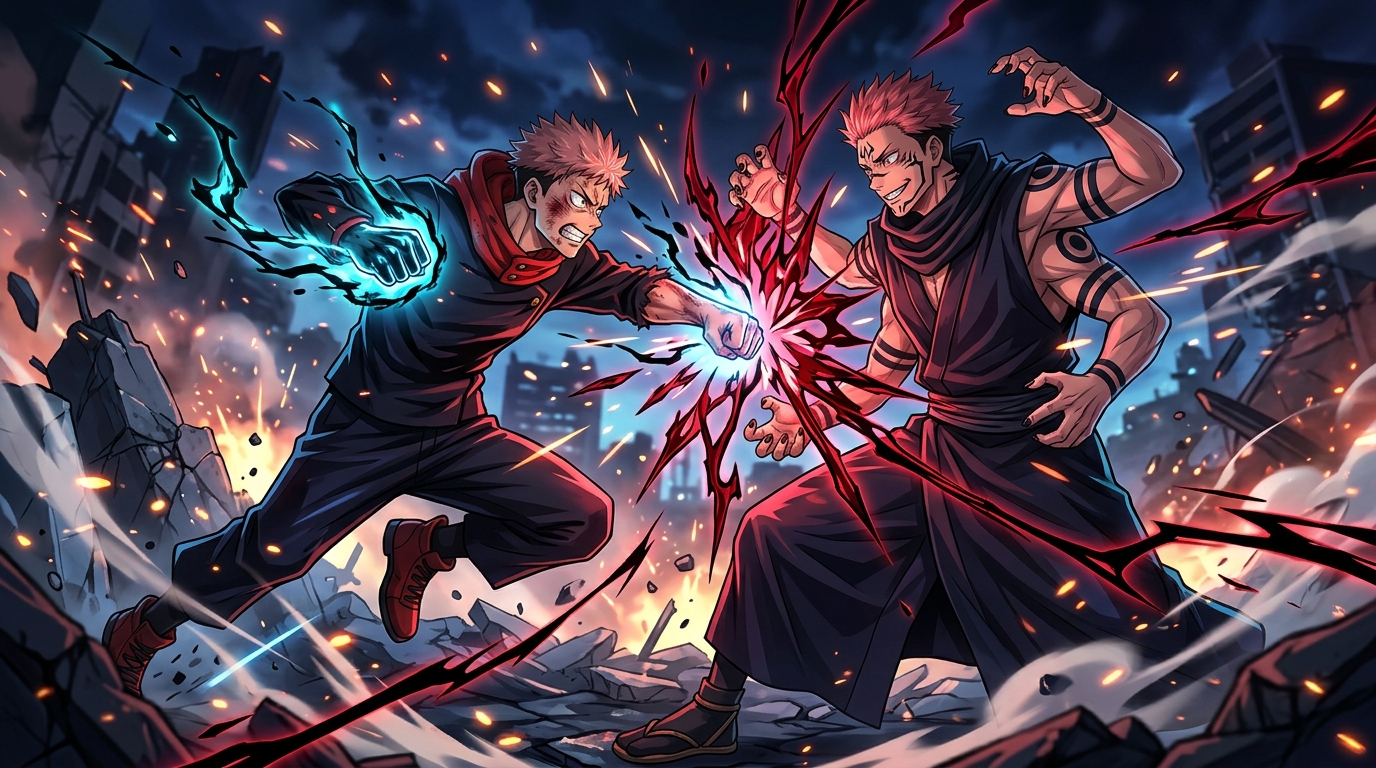
The animation community exploded when Jujutsu Kaisen Season 2 aired its Shibuya Incident arc. Frame by frame, fans dissected every punch, every cursed technique, every camera angle. But one fight stood above the rest, sparking debates across Reddit, Twitter, and Discord servers about whether anime had just peaked.
Jujutsu Kaisen’s Sukuna versus Mahoraga fight in Season 2 Episode 17 stands as the best fight scene of 2024, combining fluid sakuga animation, creative camera work, and devastating emotional weight. MAPPA’s animation team delivered 300+ cuts of hand-drawn action, blending traditional techniques with digital effects to create a visual spectacle that redefined modern anime combat standards.
Why Sukuna versus Mahoraga Dominated 2024
Episode 17 of Jujutsu Kaisen Season 2 aired in November 2023 but continued dominating conversations throughout 2024. The fight between Sukuna and Mahoraga wasn’t just animated well. It was animated differently.
MAPPA brought together legendary animators like Vincent Chansard, Hakuyu Go, and Shota Goshozono. Each brought their signature style to different cuts. You could spot Chansard’s aggressive smear frames. You could see Go’s geometric impact effects. The result felt less like a single fight and more like a curated art exhibition.
The choreography deserves special attention. Sukuna doesn’t just throw punches. He flows between martial arts stances, cursed technique activation, and environmental destruction. Mahoraga adapts in real time, its movements becoming more aggressive as it learns Sukuna’s patterns.
Traditional anime fights follow predictable patterns. Character A attacks. Character B defends. Cut to reaction shot. Repeat. This fight threw that rulebook away. Cuts lasted three to five seconds maximum. The camera never stopped moving. Background details remained sharp even during the fastest movements.
Breaking Down the Animation Techniques
Understanding what made this fight special requires looking at the technical execution. Animation isn’t magic. It’s craft, planning, and thousands of individual drawings.
Sakuga and Smear Frames
Sakuga refers to moments of exceptional animation quality. Episode 17 contained over 300 individual sakuga cuts. That’s abnormal. Most anime episodes have 10 to 20 standout moments.
Smear frames create the illusion of motion blur. When Sukuna punches, his arm stretches across three frames in impossible shapes. Your eye doesn’t register the distortion. It registers speed and impact.
The animators used different smear styles for different characters. Sukuna’s movements felt sharp and precise. Mahoraga’s felt heavy and mechanical. This visual language communicated character personality without dialogue.
Camera Movement and Perspective
The camera work deserves an essay of its own. Traditional anime uses static shots with character movement. This fight treated the camera like a character.
It spun around combatants mid-strike. It zoomed through debris fields. It switched from wide establishing shots to extreme close-ups within seconds. The perspective constantly shifted, forcing viewers to reorient themselves.
One sequence showed Sukuna’s domain expansion from Mahoraga’s point of view. The camera tilted, spun, and distorted as cursed energy flooded the frame. You felt the disorientation. You understood the threat without explanation.
Digital Effects Integration
MAPPA blended hand-drawn animation with digital effects seamlessly. Cursed energy particles, environmental destruction, and lighting effects were added digitally. But they never felt separate from the animation.
The fire effects during Sukuna’s final attack combined traditional flame animation with digital compositing. Each flame had weight and movement. The heat distortion affected the entire frame. Background characters reacted to the light and heat.
What Makes a Fight Scene Truly Great
Not every well-animated fight becomes legendary. Technical excellence matters, but it’s not enough. The best fight scenes balance multiple elements simultaneously.
Here’s what separates good fights from unforgettable ones:
| Element | Weak Execution | Strong Execution |
|---|---|---|
| Choreography | Repetitive exchanges, unclear positioning | Unique movements, spatial awareness maintained |
| Stakes | No consequences, reversible damage | Permanent changes, emotional weight |
| Character | Generic combat, personality absent | Fighting style reflects character traits |
| Pacing | Constant intensity or dragging breaks | Rhythm variation, breathing room between peaks |
| Sound Design | Generic impacts, mismatched timing | Layered audio, silence used strategically |
The Sukuna versus Mahoraga fight excelled in every category. The choreography told a story of adaptation and overwhelming power. The stakes were literal city destruction. Sukuna fought with arrogant precision. Mahoraga fought with mechanical learning. The pacing built from cautious probing to apocalyptic climax.
Sound design elevated every moment. Impacts had weight. Cursed energy crackled with menace. The brief moments of silence before major attacks created unbearable tension.
How This Fight Changed Industry Standards
Animation studios noticed. Twitter erupted with professional animators praising and analyzing the episode. Fans created frame-by-frame breakdowns that accumulated millions of views.
The fight proved audiences would accept experimental animation techniques in mainstream shows. Studios had always played it safe, assuming viewers wanted consistency over innovation. Episode 17 demonstrated that taking risks could generate massive engagement.
Production committees started allocating bigger budgets for key episodes. The “episode 17 treatment” became industry shorthand for giving animators freedom and resources for standout moments.
Freelance animators gained leverage. Studios needed top talent for their big episodes. Animators could negotiate better rates and creative control. The power dynamic shifted slightly toward the artists.
Other Contenders for Best Fight of 2024
Fairness demands acknowledging other exceptional fights from the year. Jujutsu Kaisen didn’t have a monopoly on quality animation.
Frieren: Beyond Journey’s End delivered consistently excellent magic combat. Episode 10’s Frieren versus Qual fight showcased strategic spellcasting with gorgeous effects work. The fight felt like a chess match with explosive consequences.
Demon Slayer Season 3 maintained its reputation for stunning visuals. The Hantengu fight sequence combined ufotable’s signature digital effects with creative camera angles. Every frame looked like a painting.
Mushoku Tensei Season 2 featured the Turning Point 2 battle. The animation team prioritized weight and impact over flashy effects. Characters moved like they had mass. Magic felt dangerous and unpredictable.
But none matched the complete package Episode 17 delivered. Those fights excelled in specific areas. Sukuna versus Mahoraga excelled everywhere simultaneously.
The Team Behind the Animation
Great animation requires great animators. Episode 17 benefited from an all-star lineup that reads like a who’s who of modern anime talent.
Vincent Chansard handled multiple key cuts, bringing his distinctive aggressive style. His work on the initial Sukuna transformation sequence set the tone for everything that followed.
Hakuyu Go contributed his geometric impact effects and creative smear frames. His cuts felt experimental, pushing beyond traditional anime movement.
Shota Goshozono served as animation director, maintaining consistency across different animator styles. His corrections ensured every cut fit the overall vision.
The episode director, Tatsuya Yoshihara, coordinated this talent into a cohesive whole. Directing animators is like conducting an orchestra. Each musician is virtuoso level. The conductor ensures they play the same symphony.
Lessons for Understanding Anime Production
Watching great animation is fun. Understanding how it’s made is educational. Here’s what Episode 17 teaches about anime production:
- Budget alone doesn’t guarantee quality. MAPPA had money, but they also had vision and talent coordination.
- Animator freedom produces better results. The studio let artists bring their personal styles instead of enforcing rigid consistency.
- Planning matters as much as execution. The storyboards for this episode took weeks. Every camera angle was deliberate.
- Sound and animation are inseparable. The audio team worked closely with animators to time impacts perfectly.
- Cultural context enhances appreciation. Understanding Buddhist imagery and Japanese folklore added layers to the fight’s symbolism.
These lessons apply beyond anime. Any creative field benefits from similar principles. Trust talented people. Plan thoroughly. Coordinate different specialties. Respect the audience’s intelligence.
Why Fans Keep Returning to This Fight
Rewatchability is the ultimate test. Episode 17 has been watched millions of times since release. Fans create reaction videos, analysis threads, and animated breakdowns.
The fight rewards repeated viewing. You notice new details every time. Background animation you missed. Subtle character expressions. Foreshadowing in Mahoraga’s adaptation pattern.
The emotional weight doesn’t diminish with familiarity. Sukuna’s casual cruelty still shocks. The civilian casualties still hurt. The final domain expansion still feels apocalyptic.
“The best fight scenes work on multiple levels simultaneously. They satisfy on first viewing with spectacle, then reveal deeper layers with analysis. Episode 17 is a masterclass in layered storytelling through action.” — Animation director Yutaka Nakamura
The community aspect matters too. Discussing the fight with other fans, comparing favorite moments, debating animation techniques. These conversations keep the episode alive in collective memory.
What This Means for Future Seasons
Jujutsu Kaisen Season 3 faces impossible expectations. How do you follow perfection? The production team has several options.
They could try matching Episode 17’s intensity throughout. That’s unsustainable. Animators would burn out. Budgets would explode. Constant peaks create numbness.
Better approach: strategic excellence. Identify key story moments. Allocate resources accordingly. Let quieter episodes breathe. Make the big moments count.
The Culling Game arc has multiple fights worthy of Episode 17 treatment. Yuta’s return. Hakari versus Kashimo. Maki’s perfect preparation arc. Each deserves its own animation showcase.
Fan expectations are both blessing and curse. High expectations mean high engagement. But they also mean inevitable disappointment when reality falls short of imagination.
The Broader Impact on Anime Culture
This fight influenced how fans evaluate anime. Before Episode 17, “good animation” meant consistent quality. After, it meant taking risks and pushing boundaries.
Fans became more literate about animation techniques. Terms like “sakuga,” “key animator,” and “smear frames” entered mainstream anime vocabulary. People started crediting individual animators instead of just studios.
The fight raised standards across the industry. Mediocre fight animation now gets criticized more harshly. Audiences know what’s possible. They expect studios to try.
International attention increased. Anime had always been global, but Episode 17 crossed into mainstream gaming and film communities. People who didn’t watch anime heard about this fight.
Your Guide to Appreciating Fight Animation
Want to better understand what makes fight animation great? Here’s how to train your eye:
- Watch at quarter speed. YouTube lets you slow playback. You’ll see individual frames and animation tricks.
- Follow key animators on social media. Many share their work and explain their process.
- Compare different studios. MAPPA, ufotable, Bones, and Trigger have distinct styles. Learn to recognize them.
- Study storyboards. Many get released after episodes air. They show the planning behind great scenes.
- Read animator interviews. They explain their thinking and challenges during production.
Understanding technique doesn’t ruin enjoyment. It enhances it. You appreciate the craft behind the spectacle.
The Fight That Defined a Year
Calling Sukuna versus Mahoraga the best fight scene of 2024 isn’t hyperbole. It’s accurate assessment based on technical execution, emotional impact, and cultural influence.
The fight demonstrated what anime can achieve when studios trust talented artists. It proved audiences appreciate experimental techniques. It raised industry standards and fan literacy.
Other fights will challenge this crown. Animation keeps evolving. New techniques emerge. Fresh talent arrives. But Episode 17 set a benchmark that will influence anime for years.
Whether you’re a casual viewer or animation obsessive, this fight deserves your attention. Watch it for the spectacle. Rewatch it for the craft. Discuss it with fellow fans. Let it raise your standards for what action animation can be.
The jujutsu kaisen best fight scene isn’t just entertainment. It’s a statement about the medium’s potential and the artists who push it forward.