
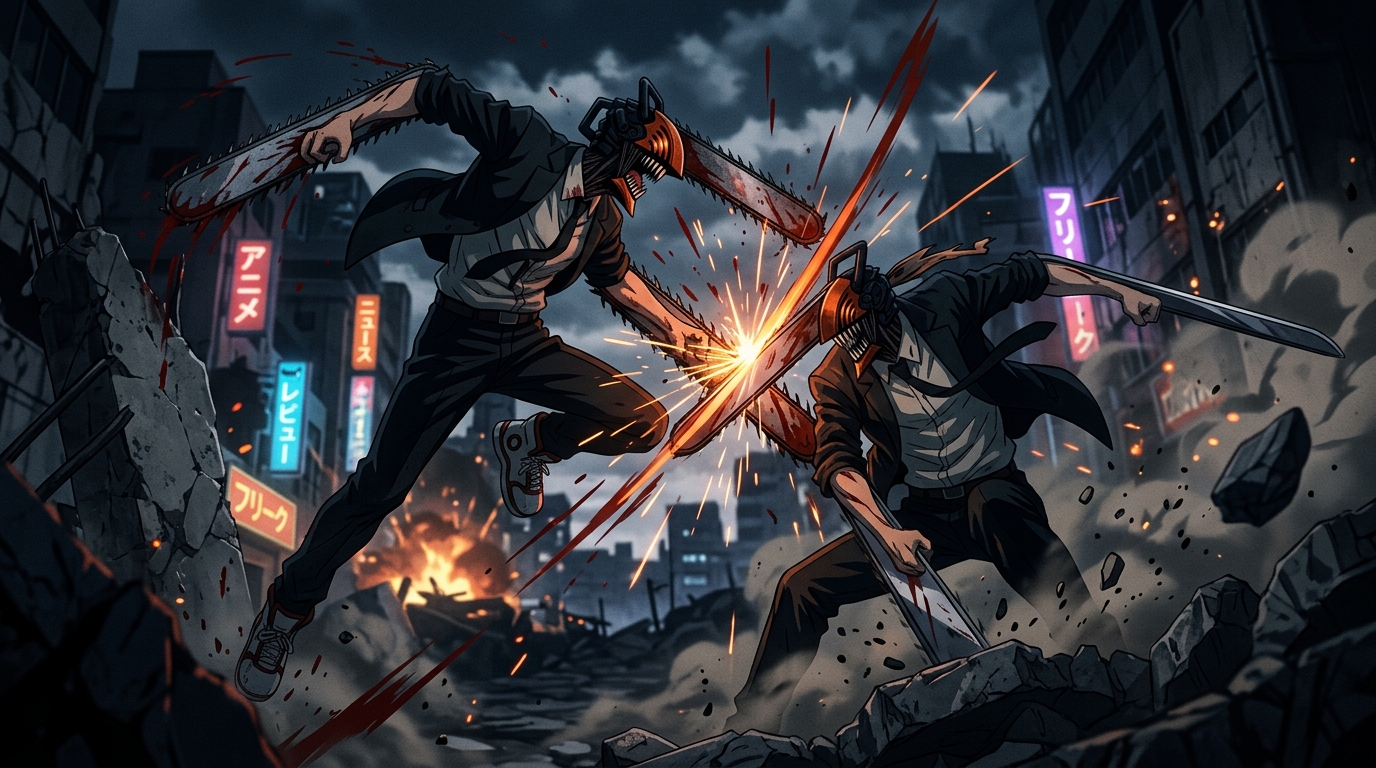
Chainsaw Man didn’t just enter the anime scene. It tore through it with a chainsaw revving at full throttle. MAPPA’s adaptation of Tatsuki Fujimoto’s manga delivered some of the most visceral, creative, and downright jaw-dropping fight sequences modern anime has ever seen. The 2024 Reze Arc movie only raised the bar higher, proving that this franchise knows exactly how to choreograph chaos.
Chainsaw Man’s best fight scenes blend raw brutality with creative [choreography](https://en.wikipedia.org/wiki/Choreography), from the series-defining Denji vs Katana Man battle to Makima’s chilling control sequences. The 2024 Reze Arc movie elevated the franchise further with fluid animation and emotional stakes. Each fight serves the story while pushing technical boundaries, making them essential viewing for action anime fans.
Denji vs Katana Man Sets the Standard
The Katana Man fight remains the gold standard for what this series can achieve. Episode 8 delivered a masterclass in kinetic energy and sound design that anime fans still reference today.
What makes this sequence special isn’t just the animation quality. It’s how the fight evolves as it progresses. Denji starts scrappy and desperate, getting sliced apart repeatedly. Then Aki and Power join in, transforming a brutal beatdown into a coordinated team effort.
The sound design deserves special mention. Every chainsaw rev, every blade clash, every impact carries weight. MAPPA’s audio team understood that these fights needed to feel physical, not just look impressive.
“The Katana Man fight showed us that Chainsaw Man wasn’t going to hold back. It set expectations for every battle that followed.” – Anime production analyst
The choreography balances chaos with clarity. You always know where each character stands, even when the action reaches fever pitch. That’s harder to achieve than it looks.
Reze Arc Movie Raises the Bar
The 2024 theatrical release featuring Reze’s arc delivered what many consider the series’ peak animation. The bomb devil transformation sequence alone justified the cinema ticket price.
Reze’s fighting style contrasts beautifully with Denji’s raw aggression. She moves with precision and grace, turning explosions into ballet. The animators captured her character through movement, showing her training and control.
The underwater sequence stands out as particularly ambitious. Animating convincing water physics is notoriously difficult. MAPPA nailed it, creating a fight that feels genuinely submerged with proper weight and resistance.
These elements make the Reze fights memorable:
- Transformation sequences that feel earned, not repetitive
- Environmental destruction that affects the choreography
- Emotional beats woven between action moments
- Colour palettes that shift with the fight’s intensity
- Character expressions that convey stakes beyond dialogue
The movie format allowed longer, uninterrupted action sequences. Television anime often needs to break fights across episodes or insert recap moments. The theatrical approach let the team craft complete, flowing battles.
Makima’s Control Sequences Redefine Power
Makima’s fights operate on different rules. She doesn’t throw punches or swing weapons. She simply speaks, and people die. That could have been boring to watch. Instead, the animation team found ways to make absolute power visually compelling.
The shrine sequence demonstrates this perfectly. Makima sits calmly while her abilities crush opponents we never see. The camera focuses on her face, the ritual setup, and the results. We feel the weight of her power through absence and implication.
Her confrontation with the Darkness Devil shows another approach. Here, Makima moves through the scene like a force of nature. The animation emphasizes her inhuman calm while chaos erupts around her.
| Fight Type | Animation Approach | Emotional Impact |
|---|---|---|
| Denji vs Katana Man | Kinetic, brutal, evolving | Desperation to triumph |
| Reze battles | Graceful, explosive, intimate | Tragic romance |
| Makima sequences | Controlled, ominous, absolute | Existential dread |
| Darkness Devil encounter | Surreal, horrifying, alien | Cosmic horror |
Why These Fights Work Beyond Animation
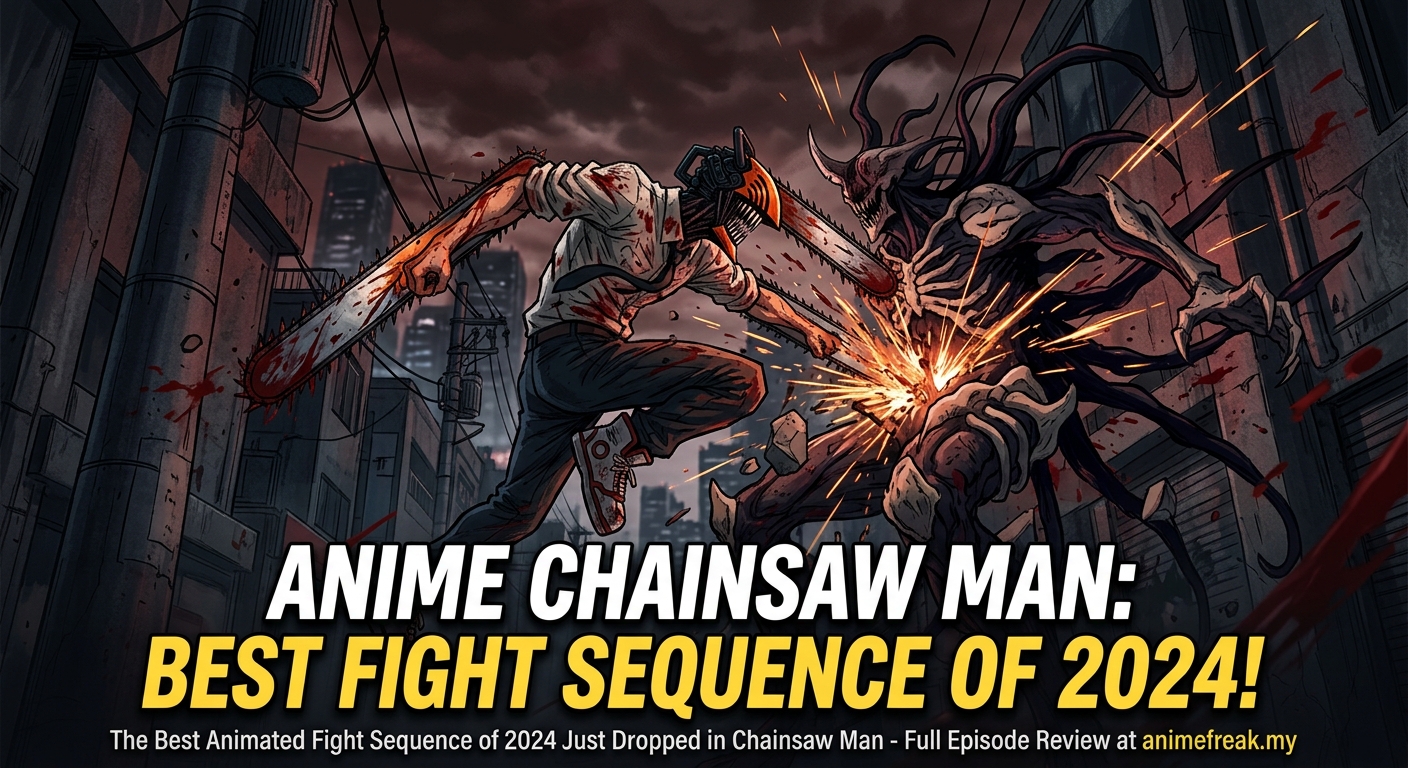
Technical excellence matters, but Chainsaw Man’s best sequences succeed because they serve the story. Each major fight reveals character, advances relationships, or shifts the narrative direction.
Take the Denji vs Samurai Sword rematch. On the surface, it’s another brutal brawl. Look closer and you see Denji’s growth. He fights smarter, uses his environment better, and shows tactical thinking absent from earlier battles.
The Reze fights carry emotional weight because we understand what’s at stake. Denji isn’t just fighting a devil. He’s confronting his first genuine connection with another person and watching it crumble. The animation reflects that pain.
Makima’s scenes work because they visualize concepts that manga can only tell. Her control ability becomes tangible through careful framing, sound design, and pacing. You feel her dominance without needing exposition.
Breaking Down the Technical Excellence
MAPPA’s animation team employed specific techniques that set these fights apart from standard action anime. Understanding these choices helps appreciate why they land so hard.
- Weight and impact: Every hit feels heavy through careful timing and follow-through animation
- Camera movement: Dynamic angles that enhance rather than confuse the action
- Particle effects: Blood, debris, and environmental damage that add texture without cluttering
The team avoided common anime fight shortcuts. Characters don’t freeze mid-action for dialogue. Speed lines enhance rather than replace actual movement. Close-ups show genuine emotion, not static reaction faces.
Colour grading shifts to match fight intensity. Early exchanges use the show’s standard palette. As stakes rise, colours saturate or desaturate strategically. The Darkness Devil sequence goes nearly monochrome, emphasizing its otherworldly nature.
Comparing Series Peaks
Different fans champion different fights as the series’ best. That variety speaks to the range of approaches the animation team employed.
Action purists often point to the Katana Man battle for its raw energy and perfect pacing. Romance-focused viewers prefer the Reze sequences for their emotional complexity. Horror fans gravitate toward anything involving Makima or the Darkness Devil.
The 2024 movie format allowed experimentation that television episodes couldn’t support. Longer cuts, more detailed backgrounds, and smoother character animation all benefit from theatrical budgets and schedules.
Television episodes still delivered incredible moments. Episode 8 proved you don’t need movie resources to create iconic action. Smart direction and strong fundamentals matter more than unlimited time and money.
What Makes Chainsaw Man Action Unique
This series doesn’t follow typical shonen fight patterns. Battles end abruptly. Characters get maimed or killed without warning. Power levels mean nothing when someone can simply erase you from existence.
That unpredictability keeps viewers engaged. You can’t assume the protagonist will win through determination and a power-up. Denji loses fights. He gets outsmarted, overpowered, and manipulated. Victory comes through luck, allies, or Makima’s intervention as often as personal growth.
The animation reflects this chaos. Fights don’t build to obvious climaxes. They escalate, pause, redirect, and conclude in unexpected ways. Traditional three-act structure gives way to something messier and more realistic.
Character designs support the action. Denji’s chainsaw form looks ridiculous and terrifying simultaneously. Reze’s bomb transformations blend beauty with violence. These designs give animators interesting shapes and silhouettes to work with.
Sound Design as Action Element
Discussing Chainsaw Man fights without mentioning audio does them a disservice. The sound team created an aural landscape as important as the visuals.
Chainsaw revving becomes Denji’s theme, his emotional state reflected in the engine’s pitch and rhythm. Calm revving suggests confidence. Stuttering, struggling sounds convey desperation. This audio characterization works without a single word of dialogue.
Music choices matter too. The series uses insert songs sparingly but effectively. When music kicks in during a fight, it signals a shift in momentum or emotion. Silence proves equally powerful, letting impact sounds and voice acting carry scenes.
Environmental audio grounds the action. Footsteps, breathing, fabric rustling, and ambient noise create space and distance. You hear characters move through locations, not just exist in abstract fighting arenas.
Learning from Chainsaw Man’s Approach
Other action anime can learn from this series’ choices. Not every show needs Chainsaw Man’s specific style, but the underlying principles apply broadly.
Character-driven action always beats spectacle for its own sake. Viewers remember fights that matter to the story and reveal something about the participants. Technical brilliance without emotional stakes feels hollow.
Variety in fight choreography prevents fatigue. If every battle follows the same pattern, audiences tune out. Chainsaw Man constantly shifts its approach, keeping viewers guessing about what comes next.
Trust your audience to follow complex action. You don’t need to freeze frame and explain everything. Good staging and clear motion let viewers track even chaotic sequences without hand-holding.
The Animation That Keeps Giving
Years after initial broadcast, fans still analyse these fights frame by frame. That longevity comes from layers of detail that reward repeated viewing.
Background animation continues during foreground action. Secondary characters react appropriately. Environmental damage persists and affects later shots. These touches create a lived-in world rather than a series of disconnected action beats.
Sakuga moments get attention, but the connective tissue between highlights matters just as much. Consistent quality throughout a sequence makes the peaks feel earned rather than isolated flexes.
The 2024 movie demonstrated that this team hasn’t peaked. Each new release finds ways to improve on what came before while maintaining the core identity that makes Chainsaw Man action distinctive.
Why These Scenes Matter for Anime
Chainsaw Man’s best fights influenced how studios approach action animation. The series proved audiences would embrace brutal, unconventional choreography that breaks from established patterns.
Other productions now reference these sequences when pitching their own approaches. The Katana Man fight became a benchmark, the standard against which similar scenes get measured.
The financial success validated MAPPA’s resource investment. Quality animation costs money and time. When that investment pays off critically and commercially, it encourages studios to take similar risks on other properties.
Experiencing These Fights Properly
These sequences deserve proper viewing conditions. Streaming on a phone doesn’t do them justice. Find the largest screen available, use quality headphones or speakers, and watch without distractions.
The 2024 movie especially benefits from theatrical presentation. The sound mix was designed for cinema systems. Explosions hit differently when you feel the bass. The visual scale suits big screens.
Rewatch value is high. You’ll catch new details on second and third viewings. The animation team packed so much into every frame that single watches can’t capture everything.
When Action Becomes Art
The best Chainsaw Man fight scenes transcend their medium. They become reference material for animators, discussion topics for critics, and beloved moments for fans.
That elevation happens when technical skill meets creative vision and emotional storytelling. All three elements need to align. Chainsaw Man achieves that alignment repeatedly, creating action sequences that work as standalone art pieces while serving the larger narrative.
The series respects its audience enough to take risks. Not every choice will land for every viewer, but the willingness to experiment and push boundaries results in memorable, distinctive action that stands apart from safer, more conventional approaches.
These fights remind us why animation matters as a storytelling medium. Live action couldn’t capture this specific blend of visceral impact, impossible physics, and emotional resonance. Only animation offers the control and creativity needed to realize Fujimoto’s vision properly.
So grab your favourite viewing setup, find these episodes and that movie, and experience what happens when a talented team gets the resources and freedom to craft something special. Your action anime standards might never recover.