Blog

  • How to Create Your First Anime Cosplay on a Budget Under RM500

    How to Create Your First Anime Cosplay on a Budget Under RM500

    Cosplay doesn’t have to drain your wallet. Many Malaysian fans assume they need thousands of ringgit to look amazing at Comic Fiesta or AniManGaki, but that’s just not true. With some creativity and smart shopping, you can bring your favourite anime character to life for under RM500. The secret lies in knowing where to shop, what to make yourself, and which shortcuts actually work.

    Key Takeaway

    Budget cosplay relies on thrift shopping, DIY modifications, and strategic purchases. Focus on one standout piece per costume, use everyday items creatively, and tap into Malaysia’s affordable fabric markets. With planning and patience, you can create impressive costumes for under RM500 while avoiding common beginner mistakes that waste money.

    Start With Characters That Match Your Resources

    Not all characters cost the same to cosplay. Picking the right one saves you hundreds of ringgit before you even start shopping.

    School uniform characters like those from My Hero Academia or Kaguya-sama are goldmines for budget cosplayers. You probably already own a white shirt and dark trousers. Add a tie from Shopee for RM15 and you’re halfway done.

    Casual outfit characters work brilliantly too. Think Saitama from One Punch Man (yellow tracksuit, red gloves, bald cap) or Ash Ketchum from Pokémon (jeans, jacket, cap). These pieces exist in regular clothing stores at normal prices.

    Avoid characters with elaborate armour, wings, or intricate details for your first attempt. Save Saber’s armour or Gundam cosplays for when you’ve built more skills and budget.

    “The best first cosplay is one where you can wear 60% of the costume to the mamak afterwards. If it looks like normal clothes with a twist, you’re on the right track.” – Veteran cosplayer advice from Malaysian conventions

    Where to Shop Smart in Malaysia

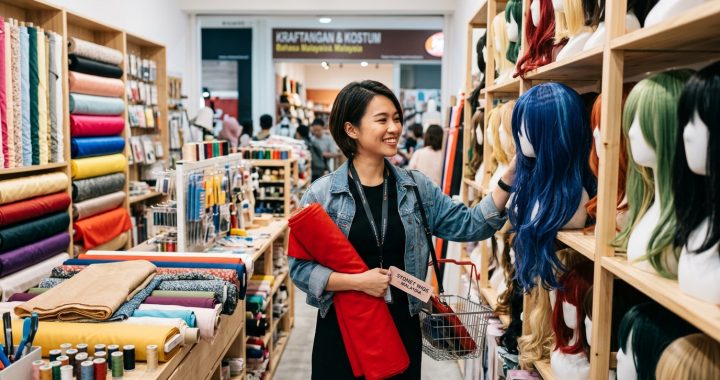
    How to Create Your First Anime Cosplay on a Budget Under RM500 — image 1

    Knowing your shopping spots makes or breaks a budget cosplay.

    Physical Locations

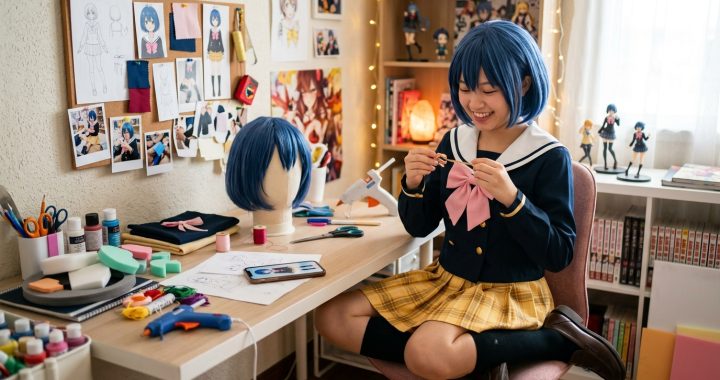
    Bundle shops (kedai bundle) are absolute treasures. Locations in Amcorp Mall, Sungei Wang, or your local pasar malam often stock vintage jackets, military gear, and unique accessories for RM10 to RM50. I’ve seen perfect Levi Ackerman jackets at bundle shops for RM30.

    Jakel and Kamdar offer affordable fabric by the metre. A basic cotton costs RM8 per metre, polyester around RM12. Most simple cosplays need 2 to 3 metres maximum.

    Mr DIY stocks craft supplies, foam sheets, spray paint, and basic tools. Their EVA foam sheets cost RM5 to RM8, perfect for armour pieces or props.

    Online Options

    Shopee Malaysia is your best friend. Search for “cosplay [character name]” and filter by price. Many sellers offer basic costumes for RM80 to RM150. Read reviews carefully and check sizing charts twice.

    Carousell often has secondhand cosplays from people who wore them once. You can snag quality pieces for half the original price.

    Lazada works well for wigs (RM25 to RM60), contact lenses (RM30 to RM80), and accessories. Wait for sales during 11.11 or payday promotions.

    The Budget Breakdown Strategy

    Here’s how to allocate your RM500 effectively:

    Category Budget Range Where to Save Where to Splurge
    Base Costume RM100-200 Thrift or modify owned clothes Buy if character-specific
    Wig RM30-80 Basic styles, restyle yourself Unusual colours or long styles
    Shoes RM0-100 Wear owned shoes, spray paint Character-specific boots
    Accessories RM50-100 DIY from craft supplies Signature items (props, jewellery)
    Makeup RM20-50 Use existing makeup Special effects items
    Props RM30-70 Cardboard, foam, paint Small detailed purchases

    This leaves you buffer money for unexpected needs or improvements.

    DIY Techniques That Actually Work

    Making pieces yourself cuts costs dramatically and often looks better than cheap purchases.

    Fabric Modification

    Plain coloured t-shirts from Uniqlo or Brands Outlet (RM20 to RM40) can become character shirts with fabric paint. Use masking tape to create clean lines for logos or symbols.

    Existing jeans transform with patches, bleach designs, or strategic rips. Naruto’s orange pants? Orange fabric dye costs RM8 at Daiso.

    Foam Crafting

    EVA foam from Mr DIY creates armour, shoulder pads, or weapon props. Cut with a craft knife, shape with a heat gun (or carefully with a hair dryer), seal with Mod Podge (RM15), then spray paint.

    A basic sword prop costs RM5 in materials versus RM80 purchased online.

    Wig Styling

    Don’t pay RM150 for a pre-styled wig. Buy a basic RM40 wig and style it yourself using YouTube tutorials. You need hair gel (RM8), scissors, and patience.

    Spike anime hair by backcombing sections, applying strong hold gel, and blow drying while shaping. It takes practice but saves money for future cosplays too.

    Smart Shopping Tactics

    Timing and strategy matter as much as where you shop.

    1. Shop three months before your convention. Last-minute panic buying kills budgets. You’ll pay express shipping and settle for overpriced options.

    2. Join Malaysian cosplay groups on Facebook. Members often sell used costumes, share bundle shop finds, and offer group buys that reduce shipping costs.

    3. Check measurements obsessively. Asian sizing runs smaller than Western sizing. Buying the wrong size means paying twice. Measure your bust, waist, hips, and height. Compare with seller charts.

    4. Use credit card points or e-wallet cashback. Stack Shopee coins with bank promotions. That RM150 costume might effectively cost RM120 with smart payment choices.

    5. Buy versatile pieces first. Black boots work for multiple characters. A good brown wig can be restyled. White button-up shirts appear in dozens of anime. Build a collection of reusable basics.

    Common Mistakes That Waste Money

    Learn from others’ expensive errors.

    Buying Complete Sets Without Checking Quality

    Those RM100 “full costume” listings often use tissue-thin fabric that photographs badly and tears easily. Read reviews mentioning fabric thickness and durability.

    Ignoring Shipping Costs

    A RM80 costume with RM40 shipping isn’t a deal. Filter for “free shipping” or local sellers when possible.

    Purchasing Props You Could Make

    Cardboard, paint, and glue create 80% of props for under RM20. Don’t buy a RM60 foam sword when you can make one for RM8.

    Skipping Test Makeup

    Buying specialty makeup without testing means discovering allergies or wrong shades at the convention. Test everything a week before.

    Forgetting About Undergarments

    Your regular bra straps showing ruins photos. Budget RM20 for nude/black strapless options or skin-tone athletic tape.

    Maximizing What You Already Own

    Your wardrobe contains more cosplay potential than you think.

    • Black jeans work for countless characters
    • White sneakers become character shoes with fabric paint or vinyl covers
    • Plain t-shirts layer under vests or jackets
    • Belts, watches, and bags often match character accessories
    • Existing makeup does 90% of cosplay looks (add character-specific colours only)

    Walk through your closet before buying anything. Take photos of potential pieces and compare them to character reference images.

    The One-Month Timeline

    If you have RM500 and one month until a convention, follow this schedule:

    Week 1: Planning and Research

    Choose your character. Gather reference images from multiple angles. List every piece you need. Check what you own. Calculate your shopping list.

    Week 2: Major Purchases

    Buy your costume base, wig, and any specialty items that need shipping time. Order online early in the week to ensure arrival.

    Week 3: DIY and Modifications

    Craft props, modify clothing, style your wig. Do test fittings. Identify problems while you still have time to fix them.

    Week 4: Details and Testing

    Add final touches, practice makeup, do a complete dress rehearsal. Take photos to check how everything looks in pictures. Make adjustments.

    This timeline prevents panic and reduces impulse purchases that blow your budget.

    Character Suggestions Under RM500

    These characters consistently work well for budget cosplayers in Malaysia:

    • Mob (Mob Psycho 100): Black school uniform, bowl cut wig
    • Nezuko (Demon Slayer): Pink kimono fabric, bamboo from craft store, pink ribbon
    • Luffy (One Piece): Red vest, blue shorts, straw hat, yellow sash
    • Sailor Moon scouts: Coloured skirt, white leotard, bows from fabric, thrifted boots
    • Tanjiro (Demon Slayer): Black and green checkered fabric, brown pants, rope belt
    • Hinata (Haikyuu!!): Orange and black sports jersey, shorts, knee pads from sports shops

    Each of these can be completed for RM300 to RM450 with smart shopping.

    Photography Tricks That Make Budget Cosplay Shine

    Even basic costumes look amazing with good photos.

    Natural lighting beats expensive studio setups. Shoot outdoors during golden hour (early morning or late afternoon). Parks, urban areas with interesting walls, or convention venues all work.

    Angles matter more than costume cost. Shoot slightly below eye level for heroic poses. Use character-specific poses from the anime. Movement shots hide small imperfections.

    Basic photo editing is free. Snapseed or Lightroom mobile apps adjust brightness, contrast, and colours. Don’t overdo filters, but slight enhancements make costumes pop.

    Building Your Cosplay Kit for Future Costumes

    Some investments pay off across multiple cosplays.

    A basic sewing kit (RM25 from Daiso) fixes tears and makes simple adjustments. You don’t need a sewing machine for most repairs.

    Fabric glue (RM8) and hot glue gun (RM15) attach pieces without sewing. Perfect for accessories and props.

    Basic paint supplies (acrylic paint set RM20, brushes RM10, spray paint RM15 per can) work for countless projects.

    These tools cost RM100 total but save you hundreds across multiple costumes.

    When to Spend More

    Not everything should be bargain-hunted.

    Safety Items

    Contact lenses should come from reputable sellers with proper health certifications. Don’t risk your eyes for RM10 savings.

    Signature Pieces

    If a character has one iconic item (Tanjiro’s sword, Sailor Moon’s tiara), that’s worth spending 30% of your budget. Make everything else simple and let that piece shine.

    Comfort Essentials

    Shoes you’ll wear for eight hours at a convention deserve proper fit and comfort. Blisters ruin events. Budget appropriately for footwear.

    Making Your First Costume Count

    Your first cosplay teaches you skills for every future costume.

    Start simple. A successful simple cosplay beats an attempted complex one that looks messy. You’ll learn fabric behaviour, wig management, and makeup techniques that apply to harder projects later.

    Take notes during the process. What worked? What would you change? Which shops had the best prices? This knowledge makes your second cosplay easier and cheaper.

    Connect with other cosplayers. Malaysian cosplay communities are welcoming and helpful. People share supplies, offer advice, and sometimes sell pieces at friendly prices.

    Most importantly, remember that everyone started somewhere. Those amazing cosplayers you admire at conventions began with simple costumes and tight budgets too. Your first attempt doesn’t need to be perfect. It needs to be fun and teach you something.

    Budget cosplay isn’t about looking cheap. It’s about being smart with resources and creative with solutions. The RM500 limit forces you to think critically about each purchase and develop skills that expensive cosplayers never learn. Those skills stay with you forever, making every future costume better and more affordable.

  • 10 Most Overpowered Anime Characters Who Could Defeat Anyone

    Anime fans love a good power debate. Who would win in a fight between Goku and Saitama? Can anyone actually defeat Zeno? These discussions never get old because certain characters possess abilities so absurdly strong that they break the rules of their own universes. Some can rewrite reality with a thought. Others have infinite strength or immortality. A few simply cannot be beaten by design.

    Key Takeaway

    The most overpowered anime characters transcend normal power scaling through reality manipulation, infinite strength, or godlike abilities. Characters like Zeno can erase universes instantly, whilst Saitama breaks his limiter for unlimited power. These beings often serve as narrative devices to showcase the ultimate ceiling of strength, making traditional combat meaningless against their overwhelming capabilities.

    Understanding What Makes a Character Truly Overpowered

    Power levels in anime exist on a massive spectrum. Some characters train for years to master a single technique. Others are born with abilities that make them invincible from day one.

    True overpowered status means more than just being strong. It means possessing abilities that fundamentally break the combat system. A character who can punch really hard might be powerful. A character who can erase you from existence with a thought? That’s overpowered.

    These characters often share common traits:

    • Reality manipulation or time control
    • Infinite or regenerating power sources
    • Immunity to conventional damage
    • Abilities that bypass normal combat rules
    • Power that scales infinitely with no ceiling

    The narrative purpose matters too. Some creators design overpowered characters intentionally. Saitama exists to parody power scaling itself. Zeno represents the absolute authority of a god. These characters serve specific storytelling functions beyond simple combat.

    The Reality Warpers Who Rewrite Existence

    Reality manipulation stands at the peak of overpowered abilities. Characters with this power don’t just fight. They change the fundamental rules.

    Haruhi Suzumiya from The Melancholy of Haruhi Suzumiya possesses reality warping abilities so strong she doesn’t even know she has them. Her subconscious desires literally reshape the universe. If she gets bored enough, she might accidentally destroy and recreate everything. The entire plot revolves around keeping her entertained and unaware of her true power.

    Giorno Giovanna with Gold Experience Requiem from JoJo’s Bizarre Adventure can reset any action to zero. Someone tries to punch him? Reset to zero, never happened. Someone tries to use a time manipulation ability? Doesn’t matter, reset to zero. His Stand ability makes him functionally untouchable because he can negate any threat before it occurs.

    Accelerator from A Certain Magical Index controls vectors. Every force in the universe operates through vectors. He can reflect any attack automatically, redirect kinetic energy to create devastating strikes, and even manipulate bioelectricity in brains. Before his character development and subsequent limitations, he was essentially unbeatable through conventional means.

    These characters operate on a different level because they don’t fight within the system. They change the system itself.

    The Limitless Strength Category

    Some characters simply have no upper limit to their power. They grow stronger infinitely or started at the maximum possible level.

    Saitama from One Punch Man broke his limiter through training. This single fact makes him stronger than anyone he faces. The joke is built into his character design. He defeats every opponent with one punch because that’s the premise. No matter how strong the villain, Saitama is stronger. His power scales infinitely above any threat.

    Son Goku from Dragon Ball continuously breaks through power ceilings. Each transformation multiplies his already massive strength. Ultra Instinct lets him move and react without thinking, making him nearly untouchable. The Saiyan biology means he gets stronger after every fight, especially near-death experiences. Goku’s power trajectory has no visible endpoint.

    Sung Jin-Woo from Solo Leveling went from the weakest hunter to the Shadow Monarch. His levelling system has no cap. He can raise unlimited shadow soldiers from defeated enemies, each retaining their original power. His stat growth is exponential, and he gains new abilities constantly. By the series end, he operates on a cosmic scale.

    “The problem with overpowered protagonists isn’t that they’re too strong. It’s when their strength removes all tension from the story. The best overpowered characters either face emotional challenges instead of physical ones, or exist in stories that acknowledge the absurdity of their power.”

    Gods and Cosmic Entities

    Some characters are simply gods. Not metaphorically strong. Actual deities with universe-level authority.

    Zeno from Dragon Ball Super is the Omni-King. He can erase entire universes by raising his hand. Multiple universes. Instantly. Gone. No defense works against this. No amount of training helps. Zeno operates on a narrative level above combat. He’s not a fighter. He’s the ultimate authority who decides what exists.

    Truth from Fullmetal Alchemist: Brotherhood represents the universe’s knowledge and laws. It takes and gives abilities based on equivalent exchange. Truth exists beyond physical form, controls the Gate, and decides what alchemists can access. You can’t fight Truth. It’s not a being you combat. It’s the fundamental rule system.

    The Anti-Spiral from Tengen Toppa Gurren Lagann manipulates probability and exists across multiple dimensions. It can trap consciousness in alternate realities, manipulate space-time, and created the universe-sized Granzeboma. The final battle happens on a scale where galaxies are thrown as weapons.

    These entities transcend normal power scaling because they operate on cosmic or metaphysical levels.

    Time Manipulators and Immortals

    Control over time creates nearly unbeatable advantages. Add immortality and you have characters who literally cannot lose.

    Satoru Gojo from Jujutsu Kaisen possesses Limitless and Six Eyes. His Infinity technique means attacks never actually reach him. They slow down infinitely as they approach, never making contact. His Domain Expansion overwhelms opponents with infinite information. He can teleport, has unlimited cursed energy efficiency, and his existence alone changed the balance of the jujutsu world.

    Alucard from Hellsing Ultimate has millions of souls stored inside him. Each soul is essentially an extra life. He regenerates from any damage, exists in multiple forms simultaneously, and his power grows with each soul consumed. The only way to “defeat” him is to make him use all his souls, which takes an army.

    Madara Uchiha from Naruto in his prime controlled the Ten-Tails, had Rinnegan abilities, and was reanimated with infinite chakra. He could create perfect clones, summon meteors, and his Limbo technique created invisible shadows in another dimension. Multiple top-tier fighters couldn’t defeat him even working together.

    Comparing Power Levels Across Different Abilities

    Different types of overpowered abilities create different advantages. Here’s how they stack up:

    Ability Type Strengths Potential Weaknesses Example Character
    Reality Warping Changes fundamental rules, bypasses defenses Often limited by user’s imagination or awareness Haruhi Suzumiya
    Infinite Strength Overwhelming physical power, simple effectiveness Can be countered by hax abilities Saitama
    Time Manipulation Control over causality, undo mistakes May have stamina limits or range restrictions Homura Akemi
    Immortality Cannot be permanently killed Can be sealed, trapped, or incapacitated Alucard
    Cosmic Authority Universe-level power, absolute control Often bound by cosmic rules or balance Zeno

    The table shows why power debates get complicated. A character with infinite strength might lose to someone who can stop time. But a reality warper could potentially negate time manipulation. And a cosmic god might simply exist above all those rules.

    Characters Who Broke Their Own Series

    Some characters became so overpowered they created narrative problems. Writers had to find creative solutions.

    Yhwach from Bleach could see and alter all possible futures. This ability is so broken that defeating him required a specific counter ability and even then felt contrived. His power literally let him rewrite any future where he lost.

    Accelerator’s early portrayal in A Certain Magical Index made him too strong. The solution? Give him brain damage that limited his calculation time, then shift his character arc toward protecting others rather than fighting.

    Escanor from Seven Deadly Sins at noon possessed power that eclipsed nearly everyone else in the series. His Sunshine ability made him progressively stronger throughout the morning, peaking at midday with strength that rivaled demon kings. The built-in time limit was necessary to keep him balanced.

    These examples show how even creators sometimes make characters too powerful and need to add limitations later.

    The Psychology Behind Overpowered Characters

    Why do fans love these absurdly strong characters? Several reasons drive the appeal.

    Power fantasy fulfillment is obvious. Watching Saitama casually defeat enemies who terrorize everyone else feels satisfying. There’s vicarious pleasure in seeing overwhelming victory.

    But there’s more to it. Overpowered characters often face interesting non-combat challenges. Saitama struggles with boredom and lack of recognition. Gojo deals with the responsibility of being the strongest. Mob from Mob Psycho 100 has limitless psychic power but wants to improve himself as a person.

    The contrast between overwhelming power and human problems creates compelling stories. These characters can destroy planets but can’t fix their personal relationships or find meaning in life.

    Comedy also plays a role. There’s inherent humour in watching a serious villain give their dramatic speech only to get instantly obliterated. The gap between expectation and reality creates comedic effect.

    How to Rank the Truly Unbeatable

    Creating a definitive ranking is impossible because these characters exist in different universes with different rules. But we can establish criteria:

    1. Scope of power (personal, planetary, universal, multiversal)
    2. Limitations and weaknesses (fewer weaknesses rank higher)
    3. Versatility of abilities (one trick or multiple powers)
    4. Narrative role (plot device or actual character)
    5. Feats demonstrated (what they’ve actually done, not speculation)

    Using these criteria, cosmic entities like Zeno and Truth rank highest because they operate on universal or metaphysical levels. Reality warpers come next because they can change fundamental rules. Infinite strength characters rank lower because they still operate within physical laws, even if they dominate them.

    But rankings miss the point. These characters aren’t meant to be compared fairly. They serve different narrative purposes in different stories.

    The Difference Between Strong and Overpowered

    Not every powerful character qualifies as overpowered. There’s a distinction worth understanding.

    Levi Ackerman from Attack on Titan is incredibly strong. He’s humanity’s strongest soldier, with skills that let him take down titans efficiently. But he operates within the series’ rules. He can be injured, exhausted, and overwhelmed by numbers.

    Tanjiro Kamado from Demon Slayer grows powerful through training and determination. He masters breathing techniques and develops new abilities. But he faces genuine threats throughout the series. Battles challenge him.

    Compare this to Rimuru Tempest from That Time I Got Reincarnated as a Slime. He starts weak but rapidly gains abilities that stack infinitely. By mid-series, he can analyze and copy any skill, has multiple powerful subordinates, and possesses enough magical power to threaten nations. His power growth has no meaningful ceiling.

    The difference? Overpowered characters break the scaling system. Strong characters master it.

    Why These Characters Still Make Great Stories

    The common criticism of overpowered characters is that they remove tension. If the protagonist can’t lose, why care about fights?

    Good writers solve this in several ways:

    Shift the conflict internally. Mob Psycho 100 focuses on Mob’s emotional growth and relationships. His psychic power is unlimited, but that’s not what the story is about.

    Make the comedy the point. One Punch Man embraces the absurdity. The joke is that Saitama is too strong. The tension comes from wondering how each villain will be hilariously defeated.

    Create threats on the same level. Dragon Ball continuously introduces stronger opponents. When everyone is overpowered, the relative balance creates tension.

    Focus on consequences and responsibility. Jujutsu Kaisen shows how Gojo’s overwhelming strength affects jujutsu society and creates both safety and problems.

    Use the power sparingly. Keep the overpowered character off-screen or limited by circumstances so their appearances feel special.

    These narrative techniques let overpowered characters exist without ruining the story.

    Learning From the Most Broken Abilities

    Analysing overpowered characters reveals interesting patterns about power systems and storytelling.

    The most broken abilities share common features. They ignore conventional defenses, scale infinitely, or operate on a conceptual level rather than physical. Reality warping beats strength because it changes what strength means. Time manipulation beats speed because it controls when speed happens. Cosmic authority beats everything because it decides what rules exist.

    This creates a hierarchy:

    • Cosmic/metaphysical authority
    • Reality and causality manipulation
    • Time and space control
    • Infinite scaling abilities
    • Overwhelming physical power
    • Extreme skill and technique

    Each level can potentially counter the one below it through specific abilities, but generally operates on a higher plane.

    Understanding this helps appreciate why certain matchups are pointless to debate. Comparing Goku to Zeno is like comparing a chess grandmaster to someone who can rewrite the rules of chess mid-game.

    The Cultural Impact of Unstoppable Characters

    These overpowered characters influence anime culture beyond their series. They become reference points for power discussions.

    “Goku can beat anyone” became a meme precisely because Dragon Ball continuously escalates power. Saitama exists as a direct response to that endless escalation. Gojo’s Infinity technique sparked countless discussions about how it would interact with other abilities.

    Fan communities create elaborate power scaling systems trying to compare characters across series. Versus battles fill forums and comment sections. These debates are fun precisely because they’re ultimately unresolvable.

    The characters also inspire new series. The isekai genre explosion includes countless overpowered protagonists as a direct response to audience demand for power fantasy. Some series subvert expectations by making the overpowered character face non-combat challenges.

    Where Power Scaling Breaks Down Completely

    Some characters are so overpowered that discussing them becomes meaningless. They exist beyond scaling.

    Featherine Augustus Aurora from Umineko When They Cry operates on a meta-narrative level. She’s essentially the author within the story, capable of rewriting anything including her own limitations.

    The Presence in DC Comics represents the Abrahamic God. Omnipotent, omniscient, omnipresent. There’s no fight to be had because the concept of fighting doesn’t apply.

    Kami Tenchi from Tenchi Muyo exists beyond dimensions and created the multiverse. Power scaling breaks down because there’s nothing to scale against.

    These characters prove that overpowered can go so far it becomes narratively useless. They’re more concepts than characters. You can’t write interesting stories about truly unlimited beings because conflict requires limitation.

    Why We Keep Creating Stronger Characters

    Despite the narrative challenges, creators keep designing overpowered characters. The reasons are both practical and artistic.

    Audience demand drives much of it. Fans want to see their favourite characters grow stronger. Power progression creates satisfying character arcs. The problem is knowing when to stop.

    Marketing also plays a role. “Most powerful character ever” generates interest. New transformations sell merchandise. Power debates create engagement.

    But there’s artistic merit too. Exploring the limits of power raises philosophical questions. What would you do with unlimited strength? How would immortality change you? What responsibilities come with godlike abilities?

    The best overpowered characters use their abilities to examine these questions rather than just showcase cool fights.

    Recognising True Narrative Power

    The most overpowered anime characters transcend simple strength measurements. They reshape their universes, break conventional rules, and force stories to find new sources of tension beyond combat.

    Whether it’s Zeno casually erasing universes, Saitama defeating everything with one punch, or Gojo making himself mathematically untouchable, these characters represent the extreme end of power fantasy. They’re not just strong. They’re broken by design.

    What makes them memorable isn’t just their abilities. It’s how their stories handle that overwhelming power. The best series use overpowered characters to tell stories about responsibility, purpose, human connection, and the meaning of strength itself. Because once you can defeat anyone, the real challenge becomes finding something worth fighting for.

  • 10 Must-Read Manga Series That Deserve an Anime Adaptation

    10 Must-Read Manga Series That Deserve an Anime Adaptation

    The anime industry churns out dozens of adaptations every season, yet countless brilliant manga series remain stuck on the page. Some have been waiting years for their moment in the spotlight. Others are so new that studios haven’t caught up to their potential yet.

    Key Takeaway

    Many exceptional manga series remain unadapted despite having compelling stories, unique art styles, and dedicated fanbases. This guide highlights ten manga that deserve anime adaptation, ranging from supernatural action to heartwarming slice-of-life tales. Each series offers something fresh that could translate beautifully to animation, filling gaps in current anime offerings whilst appealing to diverse viewer preferences.

    Why Great Manga Gets Left Behind

    The gap between published manga and anime adaptations grows wider each year. Studios often play it safe, choosing franchises with guaranteed fanbases or sticking to familiar genres. This leaves innovative series waiting indefinitely.

    Several factors determine which manga get animated:

    • Sales numbers and commercial viability
    • Studio capacity and scheduling conflicts
    • Production committee decisions and funding
    • Rights negotiations between publishers and studios
    • Demographic targeting and market trends

    Sometimes a manga is simply ahead of its time. Other cases involve rights issues or author preferences. The result is the same: readers miss out on seeing their favourite stories come to life.

    Ten Manga Series Waiting for Their Animation Debut

    These selections represent different genres and storytelling approaches. Each brings something special that would work brilliantly in animated form.

    1. Akane-Banashi

    This rakugo manga has everything studios look for. The art captures performance nuances perfectly. The protagonist’s journey from novice to master storyteller provides natural story arcs.

    Rakugo, traditional Japanese comedic storytelling, has barely been touched in anime. Akane’s determination to honour her father’s legacy whilst carving her own path creates emotional depth. The competitive tournament structure gives each season clear goals.

    Animation could enhance the performance scenes dramatically. Imagine camera angles shifting during storytelling sequences, visual metaphors appearing as Akane describes scenes, and audience reactions amplifying the comedy.

    2. Choujin X

    Sui Ishida’s post-Tokyo Ghoul work deserves studio attention. The story follows ordinary teenagers gaining supernatural powers through transformation into “choujin.” Unlike typical superhero tales, this series focuses on the psychological weight of power.

    The body horror elements and transformation sequences would translate beautifully to animation. Ishida’s detailed art style, particularly during action scenes, practically begs for fluid motion. Character designs are distinctive enough to make merchandising straightforward.

    Monthly serialisation means there’s substantial material ready for adaptation. The pacing allows for character development between action sequences, creating a balanced viewing experience.

    3. Sanda

    This supernatural mystery follows a girl who can see and communicate with yokai. The twist: she uses this ability to run a detective agency solving both human and spirit-related cases.

    Each case functions as a self-contained episode whilst building toward larger mysteries. The yokai designs range from adorable to terrifying, giving animators creative freedom. Urban fantasy settings with Japanese folklore elements remain popular with international audiences.

    The episodic structure makes it perfect for seasonal anime. Studios could test reception with a single cour before committing to longer runs.

    4. Dandadan

    Combining alien encounters with supernatural yokai creates chaotic energy that screams for animation. The series balances horror, comedy, and romance whilst maintaining breakneck pacing.

    Action sequences feature creative power combinations and unexpected tactics. The visual comedy relies on exaggerated expressions and reaction shots that animation enhances naturally. Character chemistry between the leads drives emotional investment.

    Science fiction and supernatural elements mixing together fills a niche that few current anime occupy. The tonal shifts from terrifying to hilarious happen rapidly, keeping viewers engaged.

    5. Kagura Bachi

    Sword-based action manga remain popular, but this series adds unique magical elements. The protagonist wields an enchanted katana seeking revenge for his father’s murder. Traditional samurai aesthetics meet modern urban settings.

    Combat choreography in the manga is exceptional. Each fight showcases different sword techniques and magical abilities. The revenge plot provides clear motivation whilst allowing for character growth.

    Animation studios specialising in action sequences would have fantastic material here. Fluid sword movements, magical effects, and intense facial expressions during battles would create memorable episodes.

    6. Gachiakuta

    Post-apocalyptic settings never go out of style. This series follows outcasts living in a trash-filled abyss beneath a floating city. The protagonist gains powers from discarded objects, creating unique combat scenarios.

    The world-building is intricate without being overwhelming. Social commentary about class divisions and environmental destruction adds depth. Character designs are gritty and memorable.

    Visual storytelling opportunities abound. Animating the contrast between the pristine upper city and the grimy lower levels would create striking imagery. Transformation sequences where trash becomes weapons offer creative animation potential.

    7. Hikaru ga Shinda Natsu

    Psychological horror with subtle supernatural elements makes this series stand out. A boy realises his best friend has been replaced by something else wearing his friend’s appearance. The replacement knows it’s been discovered but continues the charade.

    The tension builds through everyday interactions rather than jump scares. Atmospheric horror anime remain relatively rare, making this a fresh addition. Character psychology and relationship dynamics drive the narrative.

    Animation could enhance the unsettling atmosphere through colour choices, sound design, and subtle visual cues. The rural Japanese setting provides beautiful backgrounds that contrast with the horror elements.

    8. Kowloon Generic Romance

    Slice-of-life romance set in a nostalgic recreation of Kowloon Walled City offers unique appeal. The protagonist navigates daily life whilst experiencing strange temporal anomalies. Reality feels slightly off, creating dreamlike uncertainty.

    The detailed backgrounds recreating historical architecture would look stunning animated. Quiet moments between characters allow for subtle emotional storytelling. Mystery elements keep viewers guessing about the true nature of the setting.

    This would work perfectly as a contemplative, atmospheric series. Studios looking for something different from typical romance anime should take notice.

    9. Versus

    High-concept action featuring humanity’s greatest warriors fighting demons from another world delivers spectacle. Historical figures and legendary fighters team up against overwhelming odds.

    Each character brings distinct fighting styles and personalities. Battle sequences span multiple chapters, allowing for extended animated fights. The stakes escalate consistently whilst maintaining character focus.

    Animation would bring these larger-than-life battles to their full potential. Studios with strong action animation teams could create something truly special here.

    10. Centuria

    A manga told entirely through illustrations without dialogue presents unique challenges and opportunities. The story follows a young girl in a war-torn world, conveying emotion purely through visuals.

    This format would translate naturally to anime with minimal adaptation needed. Music and ambient sound could replace dialogue, creating an experimental viewing experience. The art style is gorgeous and distinct.

    Studios willing to take creative risks could produce something genuinely innovative. The lack of dialogue removes localisation barriers, potentially broadening international appeal.

    What Makes These Series Animation-Ready

    Certain qualities make manga particularly suitable for anime adaptation. Understanding these factors helps explain why some series transition smoothly whilst others struggle.

    Quality Why It Matters Example From List
    Visual storytelling Reduces exposition, increases impact Centuria’s dialogue-free narrative
    Clear story arcs Enables seasonal planning Akane-Banashi’s tournament structure
    Distinctive art Helps with character recognition Choujin X’s detailed designs
    Action sequences Showcases animation strength Versus’s epic battles
    Emotional depth Creates viewer investment Hikaru ga Shinda Natsu’s relationships

    These manga already do heavy lifting visually. Animators can enhance what’s there rather than completely reimagining the source material.

    Common Obstacles Facing Manga Adaptations

    Understanding why great manga remain unadapted helps set realistic expectations. The process involves more than artistic merit.

    Budget constraints limit how many series get produced annually. A single season requires millions of ringgit and hundreds of staff members. Studios must balance artistic ambition with financial reality.

    Scheduling conflicts affect everything. Popular studios book years in advance. Voice actors juggle multiple projects. Production committees need unanimous agreement before greenlighting projects.

    Author involvement varies significantly. Some creators maintain tight control over adaptations. Others prefer hands-off approaches. Negotiations can stall projects indefinitely.

    “The best adaptations happen when manga artists, directors, and studios share the same vision. Without that alignment, even popular series can fail to capture what made the original special.” – Industry observer on adaptation challenges

    Genre Gaps in Current Anime Offerings

    Looking at what’s missing from current anime seasons reveals opportunities. These manga fill specific niches that remain underserved.

    Atmospheric horror anime appear infrequently despite strong fan interest. Series like Hikaru ga Shinda Natsu could satisfy viewers craving psychological tension. The success of occasional horror anime proves demand exists.

    Experimental storytelling formats rarely get attempted. Centuria’s visual-only approach represents untapped potential. Studios playing it safe miss chances to create memorable experiences.

    Adult-oriented slice-of-life content focusing on everyday struggles rather than high school romance would appeal to aging anime fans. Kowloon Generic Romance targets this demographic effectively.

    How Fan Communities Influence Adaptation Decisions

    Reader enthusiasm does matter, though not always in obvious ways. Studios monitor social media, sales figures, and international interest when evaluating properties.

    Vocal fanbases help, but sustained engagement matters more. Consistent sales across volumes demonstrate staying power. Viral moments on platforms like Twitter can raise a series’ profile significantly.

    International licensing deals sometimes precede anime announcements. Publishers testing overseas markets through official translations often signals adaptation consideration. Fan translations, whilst popular, complicate licensing negotiations.

    Merchandise potential factors into decisions heavily. Character designs that work well for figures, apparel, and other products make series more attractive to production committees.

    What Readers Can Do While Waiting

    Supporting manga directly increases adaptation chances. Purchasing official volumes, both physical and digital, demonstrates commercial viability. Publishers notice sales trends.

    Engaging with official social media accounts and using relevant hashtags raises visibility. Studios do monitor fan discussions when evaluating properties.

    Recommending series to others expands the potential audience. Word-of-mouth remains powerful for building momentum. Writing reviews on retailer websites helps new readers discover titles.

    Patience matters too. Some manga take years between initial publication and anime announcement. Demon Slayer waited years before its breakthrough adaptation. One Punch Man’s webcomic origins to anime success spanned nearly a decade.

    The Right Studio Makes All the Difference

    Matching series with appropriate studios dramatically affects adaptation quality. Action-heavy manga need studios with strong sakuga animators. Character-driven stories require directors skilled at subtle emotional beats.

    Consider these studio strengths when imagining adaptations:

    1. Action specialists like MAPPA or Ufotable would handle Versus or Kagurabachi brilliantly
    2. Atmospheric studios such as Shaft or Studio Deen could elevate Hikaru ga Shinda Natsu’s horror
    3. Character-focused teams like Kyoto Animation would do justice to Kowloon Generic Romance’s quiet moments

    Budget allocation matters as much as raw talent. A smaller studio with proper funding often outperforms larger studios stretched thin across multiple projects.

    Timing and Market Trends

    Anime trends shift constantly. What seems unmarketable one year becomes the next big thing. Studios often chase trends rather than setting them.

    The current popularity of dark fantasy creates opportunities for series like Gachiakuta. Isekai fatigue opens doors for fresh supernatural concepts like Dandadan. Romance anime experiencing a renaissance benefits series like Kowloon Generic Romance.

    Seasonal scheduling affects everything. Winter seasons traditionally feature more serious, dramatic content. Summer leans toward action and adventure. Studios plan releases around these patterns.

    International streaming has changed calculations entirely. Series that might have seemed too niche for Japanese television alone can thrive globally. Studios increasingly consider worldwide appeal during planning.

    Your Next Manga Discovery Awaits

    These ten series represent just a fraction of brilliant manga waiting for animation. Each offers something different, whether you prefer action, horror, romance, or experimental storytelling.

    The manga industry produces incredible work constantly. Not everything needs an anime adaptation to be worthwhile, but these particular series would genuinely benefit from the medium. Their stories, art, and characters practically demand motion, voice acting, and musical scores.

    Start with whichever premise catches your attention. Support the creators by purchasing official releases. Join communities discussing these series. Who knows? Your enthusiasm might help tip the scales toward that long-awaited adaptation announcement.

  • Which Anime Streaming Platform Offers the Best Value in Malaysia for 2024?

    Which Anime Streaming Platform Offers the Best Value in Malaysia for 2024?

    Choosing where to watch anime in Malaysia can feel overwhelming with so many platforms competing for your ringgit. Netflix, Crunchyroll, Disney+ Hotstar, and others all promise great content, but which one actually delivers the best value for Malaysian anime fans?

    Key Takeaway

    Malaysian anime fans should prioritise platforms based on three factors: monthly subscription cost, anime library size, and subtitle availability. Crunchyroll offers the largest dedicated anime catalogue at RM9.90/month, while Netflix provides broader entertainment at RM17-55/month. Disney+ Hotstar includes select anime titles alongside general content for RM54.90/quarter. Your choice depends on whether you want anime-only content or mixed entertainment options for your household.

    Understanding streaming costs in Malaysia

    Price matters when you’re streaming regularly. Most Malaysian students and young professionals budget carefully for entertainment subscriptions.

    Let me break down what you’ll actually pay each month:

    Platform Monthly Price (RM) Annual Option Simultaneous Streams
    Crunchyroll 9.90 99.00 (save 17%) 1 device
    Netflix Basic 17.00 Not available 1 device
    Netflix Standard 45.00 Not available 2 devices
    Netflix Premium 55.00 Not available 4 devices
    Disney+ Hotstar 18.30 219.60 4 devices
    Amazon Prime Video 3.00 (first 6 months) 199.00 3 devices

    The numbers tell an interesting story. Crunchyroll sits right in the sweet spot for dedicated anime watchers. You pay less than a movie ticket each month for unlimited access.

    Netflix costs more but bundles anime with everything else. If you already watch Korean dramas, Western series, and documentaries, the higher price makes sense. You’re not paying for anime alone.

    Disney+ Hotstar charges quarterly instead of monthly. That RM54.90 upfront might sting your wallet, but it averages to about RM18.30 monthly. Good for families sharing one account.

    Amazon Prime Video offers the cheapest entry point. Three ringgit for your first six months sounds almost too good. After that promotional period, you’ll pay the full annual fee of RM199, which works out to about RM16.60 monthly.

    Anime library size and exclusives

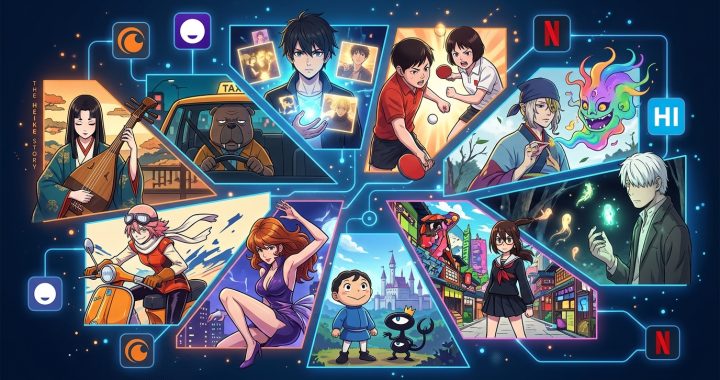
    Which Anime Streaming Platform Offers the Best Value in Malaysia for 2024? — image 1

    Raw numbers don’t tell the full story, but they matter. Here’s what each platform actually offers Malaysian viewers right now.

    Crunchyroll dominates with over 1,000 anime titles. This platform exists specifically for anime fans. New episodes drop within hours of Japanese broadcasts. You’ll find current seasonal anime, classic series from the 90s, and everything between.

    Popular titles available on Crunchyroll Malaysia include:
    – Attack on Titan (all seasons)
    – Jujutsu Kaisen
    – Demon Slayer
    – My Hero Academia
    – One Piece (ongoing)
    – Spy x Family
    – Chainsaw Man

    Netflix Malaysia carries roughly 300 anime titles. That’s significantly less than Crunchyroll, but Netflix invests heavily in exclusive productions. You can’t watch these anywhere else legally:

    1. Cyberpunk: Edgerunners
    2. Blue Eye Samurai
    3. Castlevania series
    4. Beastars
    5. Violet Evergarden

    Disney+ Hotstar has the smallest anime collection among major platforms. Maybe 50 titles at most. But those titles include Studio Ghibli films, which aren’t available on other Malaysian streaming services. If you grew up with Spirited Away and want to rewatch it legally, this is your only option.

    Amazon Prime Video sits somewhere in the middle with about 100 anime titles. The selection feels random. Some hidden gems, but inconsistent updates. You might find Vinland Saga one month, then wonder why other popular series are missing.

    “For pure anime content, Crunchyroll wins by sheer volume. But if you’re splitting a subscription with housemates who don’t watch anime, Netflix or Disney+ offers better overall value for mixed viewing habits.”

    Subtitle and dubbing options

    Language matters more than most people think. Not everyone wants to read subtitles, and not every anime has quality English dubs.

    Crunchyroll focuses almost entirely on subtitles. Most series have English and Malay subtitles available. The translation quality stays consistent because they use professional translators. Dubbed versions exist but remain limited to mega-popular titles like Naruto or Dragon Ball.

    Netflix provides both subtitles and dubs for most anime titles. English dubs are standard. Malay subtitles appear on popular series. The real advantage? Netflix lets you switch audio and subtitle languages mid-episode without restarting. Handy when you’re watching with friends who have different preferences.

    Disney+ Hotstar includes Malay subtitles for their anime content, though the selection is smaller. Studio Ghibli films come with multiple language options, making them accessible for younger viewers or family watching.

    Amazon Prime Video has inconsistent subtitle options. Some anime include Malay subtitles, others don’t. The interface doesn’t clearly indicate which languages are available until you start playing. Frustrating when you’ve already committed to watching something.

    Streaming quality and technical performance

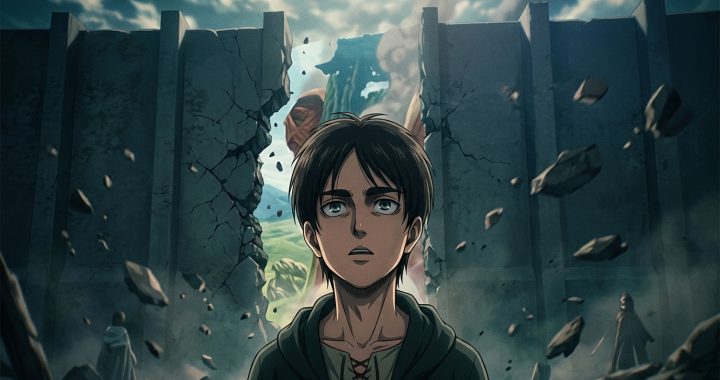
    Which Anime Streaming Platform Offers the Best Value in Malaysia for 2024? — image 2

    Picture quality affects your viewing experience more than you’d expect. Watching on your phone during lunch breaks requires different specs than casting to your living room TV.

    All four major platforms support 1080p Full HD streaming in Malaysia. Crunchyroll, Netflix, and Disney+ Hotstar also offer 4K content on select titles if you have the premium subscription tier and compatible device.

    But here’s what actually matters for Malaysian users:

    Internet speed requirements:
    – Standard definition (480p): 3 Mbps
    – High definition (720p): 5 Mbps
    – Full HD (1080p): 10 Mbps
    – Ultra HD (4K): 25 Mbps

    Most Malaysian home internet easily handles 1080p. Mobile data is trickier. If you’re streaming on LTE during your commute, you’ll burn through data fast at high quality settings.

    Crunchyroll lets you adjust video quality manually in settings. Choose lower quality when on mobile data, switch to HD at home on WiFi. Simple and effective.

    Netflix adapts quality automatically based on your connection speed. Usually works well, but sometimes drops to potato quality during peak evening hours when everyone’s online. You can override automatic settings if needed.

    Disney+ Hotstar occasionally buffers during new episode releases. The servers seem overwhelmed when popular shows drop. Not a daily problem, but annoying when it happens.

    Content beyond anime

    Maybe you don’t watch anime exclusively. Most people want variety. Let’s talk about what else you get with your subscription.

    Netflix offers the most diverse content library. Korean dramas, Hollywood movies, documentaries, reality shows, stand-up comedy. If you live with family or housemates, this variety justifies the higher price. Everyone finds something they want to watch.

    Disney+ Hotstar bundles anime with Marvel movies, Star Wars series, Pixar films, and live sports. The sports component includes Premier League football matches, which might matter if you’re a fan. Cricket coverage too, though less relevant for most Malaysian viewers.

    Amazon Prime Video includes the video streaming as part of Amazon Prime membership. You also get free shipping on Amazon purchases and access to Prime Music. The bundled benefits add value beyond just streaming.

    Crunchyroll sticks to anime and Asian dramas. That’s it. No movies, no documentaries, no variety shows. Perfect if anime is your primary interest. Limiting if you want entertainment diversity.

    Mobile app experience

    Which Anime Streaming Platform Offers the Best Value in Malaysia for 2024? — image 3

    You probably watch on your phone as much as your TV. App quality matters.

    Crunchyroll’s mobile app works smoothly on both Android and iOS. Downloads for offline viewing are available with premium membership. The interface feels dated compared to Netflix, but functionality is solid. Episodes remember where you stopped watching, even across devices.

    Netflix has the best mobile app among all platforms. Intuitive interface, reliable downloads, smart recommendations. The app rarely crashes or glitches. Preview clips autoplay when browsing, helping you decide what to watch next.

    Disney+ Hotstar’s app feels clunky. Navigation isn’t intuitive. Search function sometimes misses obvious results. Downloads work but take longer than competitors. The app does the job but lacks polish.

    Amazon Prime Video’s app sits in the middle. Functional but unremarkable. Downloads work fine. Interface feels busy with too many categories and recommendations. Takes extra taps to find what you want.

    Regional availability and VPN considerations

    Some anime titles appear in other countries but not Malaysia due to licensing restrictions. Frustrating when you read about a series online but can’t find it on your local platform.

    Crunchyroll Malaysia has most of the same content as other Southeast Asian regions. Occasionally, specific titles get blocked due to local licensing deals. Less common than Netflix regional differences.

    Netflix libraries vary dramatically by country. The US Netflix has different anime than Malaysian Netflix. Some fans use VPNs to access other regions, though this violates Netflix’s terms of service. The platform actively blocks known VPN servers.

    Disney+ Hotstar content stays fairly consistent across Asian markets. Studio Ghibli availability is the same whether you’re in Malaysia, Singapore, or Thailand.

    Using VPNs creates legal grey areas. You’re not breaking Malaysian law by using a VPN, but you are violating the platform’s terms of service. Accounts can get suspended if caught. Proceed with awareness of the risks.

    Free alternatives worth considering

    Not everyone can afford monthly subscriptions. Several legal free options exist, though with limitations.

    Crunchyroll offers a free tier with ads. You get access to most of the anime library but must watch advertisements. New episodes release one week after premium members get access. Not ideal, but better than piracy.

    YouTube hosts official anime channels. Muse Asia uploads full episodes of select series for free with ads. The selection rotates, but you might find current seasonal anime available legally. Quality is typically 1080p.

    Bilibili has a growing anime library available in Malaysia. Mix of free and premium content. Interface is primarily in Chinese, which creates a barrier for some users. Worth checking if you’re comfortable with the language.

    These free options won’t replace a paid subscription for serious anime fans. But they work for casual viewers or when money is tight.

    Making your decision

    Let’s bring this together with practical decision making.

    Choose Crunchyroll if:
    – You watch primarily anime
    – You want the largest selection
    – You follow seasonal releases closely
    – You’re comfortable with subtitles
    – Budget is tight

    Choose Netflix if:
    – You want entertainment variety
    – You share accounts with non-anime fans
    – You prefer English dubs
    – You watch other genres regularly
    – Budget allows RM45+ monthly

    Choose Disney+ Hotstar if:
    – You want Studio Ghibli films
    – You watch sports or Marvel content
    – You’re sharing with family
    – You can pay quarterly upfront

    Choose Amazon Prime if:
    – You already shop on Amazon
    – You want the cheapest option long term
    – You’re okay with smaller anime selection
    – You value bundled services

    Most Malaysian anime fans end up with two subscriptions. Crunchyroll for anime depth, plus either Netflix or Disney+ for variety. That combination costs around RM30-35 monthly, which fits most entertainment budgets.

    Your streaming setup for 2024

    The best anime streaming service Malaysia offers depends entirely on your viewing habits and budget constraints.

    Start with one platform for three months. Actually use it. Track what you watch, how often, and whether you’re getting value for money. Then decide if you need to switch or add a second subscription. Your entertainment spending should match your actual viewing patterns, not theoretical plans to watch everything.

  • Why This Week’s Jujutsu Kaisen Episode Left Fans Absolutely Speechless

    Why This Week’s Jujutsu Kaisen Episode Left Fans Absolutely Speechless

    The newest Jujutsu Kaisen episode dropped and the internet exploded. Social media feeds filled with passionate opinions, heated debates, and frame-by-frame analysis within hours. Some fans praised the storytelling while others criticized the animation quality. The episode sparked one of the most intense discussions in the series’ history, leaving viewers on both sides of the fence defending their positions.

    Key Takeaway

    The latest Jujutsu Kaisen episode generated massive fan reactions due to animation inconsistencies and pacing choices. While some viewers appreciated the emotional storytelling and voice acting, others expressed disappointment over visual quality compared to previous episodes. The controversy highlights ongoing debates about production schedules and studio resources in modern anime. Understanding both perspectives helps fans appreciate the complex challenges behind bringing manga panels to life.

    What happened in the episode that caused such strong reactions

    The episode adapted a crucial manga chapter that fans had been anticipating for months. The stakes were high, expectations were higher, and the pressure on the animation studio was immense.

    Several key moments defined this episode. The confrontation between major characters reached its climax. A beloved character faced a life-threatening situation. The emotional weight of the scene demanded both visual excellence and narrative precision.

    But something felt off to many viewers. The animation quality fluctuated noticeably throughout the episode. Some sequences looked stunning with fluid motion and detailed character expressions. Other scenes appeared rushed with static frames and simplified character models.

    The inconsistency became the focal point of online discussions. Fans who had waited weeks for this adaptation felt let down by the execution. They compared screenshots from the manga to the anime adaptation, pointing out differences in composition and impact.

    Breaking down the animation controversy

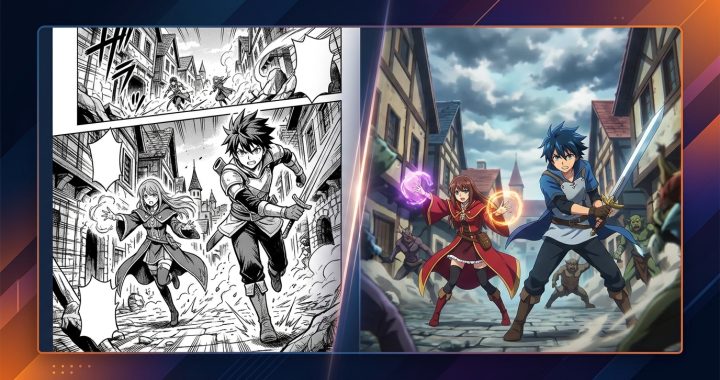
    Why This Week's Jujutsu Kaisen Episode Left Fans Absolutely Speechless — image 1

    Animation quality in weekly anime series is never perfectly consistent. Studios work under tight deadlines with limited resources. Every episode involves hundreds of artists, coordinators, and directors working together.

    This episode faced particular scrutiny because of its importance to the overall story. Fans expected the studio to allocate extra resources and time to nail these critical moments. When the final product didn’t meet those expectations, disappointment spread rapidly.

    Here’s what viewers noticed:

    • Character designs looked off-model in several scenes
    • Background art lacked the detail seen in previous episodes
    • Action sequences used more still frames than fluid animation
    • Facial expressions didn’t always match the emotional intensity of the moment
    • Colour grading appeared inconsistent between scenes

    Some fans defended the episode by pointing out the incredible pressure animation studios face. Weekly production schedules leave little room for polish. The pandemic continues to affect workflow and coordination. Staff shortages plague the entire industry.

    Others argued that such an important episode deserved better planning and resource allocation. If the studio knew this chapter was coming, they should have prepared accordingly. The manga readers had been hyping this moment for years.

    How social media platforms responded

    Twitter became a battleground within minutes of the episode airing. Hashtags related to the episode trended globally. Fans shared their immediate reactions, both positive and negative.

    The jujutsu kaisen latest episode reaction split into distinct camps. One group focused on the emotional storytelling and voice acting performances. Another group couldn’t look past the visual shortcomings.

    Reddit threads filled with detailed analysis. Users posted side-by-side comparisons of manga panels and anime screenshots. Some threads defended the animation team while others expressed frustration. The discussion remained mostly civil but passionate on both sides.

    TikTok creators jumped on the controversy with reaction videos. Some creators made humorous content about the animation quality. Others provided educational context about anime production challenges. The algorithm pushed these videos to millions of viewers, expanding the conversation beyond the core fanbase.

    YouTube analysis channels released videos within 24 hours. These longer-form discussions provided deeper context about production schedules, staff credits, and industry trends. Many creators urged fans to show empathy for overworked animators while acknowledging valid criticisms.

    The positive reactions that got overlooked

    Why This Week's Jujutsu Kaisen Episode Left Fans Absolutely Speechless — image 2

    Amidst the animation controversy, many aspects of the episode received genuine praise. The voice actors delivered powerful performances that captured the emotional weight of each scene. Their work elevated moments that might have fallen flat visually.

    The musical score hit all the right notes. The composer understood the assignment, creating tension and release at perfect intervals. Several fans mentioned rewatching certain scenes just to appreciate the sound design and music.

    The storyboarding showed creativity despite animation limitations. Directors made smart choices about camera angles and scene composition. Some sequences used artistic techniques that compensated for animation shortcuts.

    Character dialogue stayed faithful to the manga while feeling natural in spoken form. The script writers balanced exposition with emotional beats. Fans who care more about storytelling than animation found plenty to appreciate.

    “Animation quality matters, but it’s not everything. The heart of Jujutsu Kaisen lies in its characters and their struggles. This episode delivered on that front even if some frames looked rough.” – Long-time series fan

    Understanding the production context

    Weekly anime production operates on razor-thin margins. Studios typically work on multiple episodes simultaneously at different production stages. When one episode falls behind schedule, it creates a domino effect.

    Jujutsu Kaisen’s popularity brings both opportunities and challenges. Higher expectations mean more pressure. More merchandise and promotional commitments pull staff away from core production work. The studio must balance quality with business demands.

    The animation industry faces a talent shortage. Experienced animators are in high demand across multiple projects. Studios compete for the same pool of skilled workers. This episode likely suffered from resource allocation issues rather than lack of effort.

    Here’s how episode production typically works:

    1. Script and storyboard approval happens weeks before airing
    2. Key animation gets assigned to various animators based on availability
    3. In-between frames get completed by junior staff or outsourced teams
    4. Compositing and effects work happens in the final days before broadcast
    5. Last-minute fixes address only the most critical issues

    When any step in this process encounters delays, the final product suffers. This episode showed signs of a compressed timeline and stretched resources.

    Comparing this reaction to previous controversies

    Jujutsu Kaisen has faced animation discussions before, but this episode generated unprecedented attention. Previous debates focused on specific scenes or stylistic choices. This time, the criticism felt more widespread and fundamental.

    Other popular anime series have weathered similar storms. Attack on Titan changed studios and faced backlash over CGI usage. One Piece has dealt with pacing complaints for years. My Hero Academia experienced criticism over certain fight scenes.

    What makes this situation different is the timing. The episode adapted a moment fans considered unmissable. The manga community had built up this scene for years. When the adaptation didn’t match their mental image, disappointment hit harder.

    Aspect Fan Expectations Episode Delivery Gap Analysis
    Animation fluidity Sakuga-level action Mixed quality with static frames Significant gap
    Character expressions Manga-accurate intensity Simplified in key moments Moderate gap
    Pacing Faithful to source Slightly rushed feeling Minor gap
    Voice acting Emotional depth Exceeded expectations Positive surprise
    Music and sound Atmospheric and tense Strong execution Met expectations

    What this means for future episodes

    The studio now faces increased scrutiny for upcoming episodes. Every frame will be analyzed and compared. The pressure to deliver quality has intensified.

    Some fans worry this controversy might affect production decisions. Will the studio allocate more resources to important episodes? Or will they maintain their current approach and hope fans adjust expectations?

    Industry observers suggest the studio might delay future episodes if quality concerns persist. A one-week break could provide breathing room for animators to catch up. Many fans would prefer a delay over another controversial episode.

    The manga readers know what’s coming next. Several major moments await adaptation in the remaining episodes. If those receive similar treatment, the backlash could grow stronger.

    Lessons for anime fans and creators

    This situation teaches valuable lessons about expectations and reality in anime production. Fans want perfect adaptations of their favourite manga moments. Studios want to deliver quality while meeting impossible deadlines. The gap between these desires creates friction.

    Constructive criticism helps the industry improve. When fans articulate specific issues without attacking individuals, studios can learn and adapt. Personal attacks on animators or directors cross the line into toxicity.

    Understanding production constraints doesn’t mean accepting mediocrity. Fans can acknowledge challenges while still expecting better planning and resource management. The conversation works best when both sides show empathy.

    Creators benefit from honest feedback about what works and what doesn’t. This episode’s mixed reception provides clear data about fan priorities. Studios can use this information to make better decisions about future projects.

    The broader conversation about anime industry standards

    This episode sparked discussions that extend beyond Jujutsu Kaisen. The anime industry’s working conditions and production schedules face increasing criticism. Fans are becoming more aware of the human cost behind their entertainment.

    Some viewers now question whether weekly releases are sustainable for high-quality anime. Seasonal breaks or longer production timelines might produce better results. The traditional broadcast model might need rethinking for modern expectations.

    Streaming platforms have changed how anime gets consumed and funded. More money flows into the industry, but it doesn’t always reach the animators doing the actual work. Distribution of resources remains a persistent problem.

    International fans have more influence than ever before. Their reactions on social media reach Japanese studios and production committees. This global feedback loop affects decision-making in ways that didn’t exist a decade ago.

    Where the conversation goes from here

    The jujutsu kaisen latest episode reaction will continue evolving as more fans watch and process the episode. Initial hot takes will give way to more nuanced analysis. Some opinions will shift as people rewatch with different expectations.

    The studio will likely address concerns in some form, whether through official statements or improved quality in future episodes. How they respond will shape fan trust and expectations going forward.

    This episode becomes a reference point for future discussions about anime quality and production values. Fans will compare upcoming episodes to this one, for better or worse. The conversation has permanently shifted.

    Making sense of divided fan reactions

    Not everyone watches anime for the same reasons. Some fans prioritize animation quality above all else. Others care more about story, characters, and emotional impact. These different priorities naturally lead to different reactions.

    Your own viewing experience depends on what you value most. If you focus on storytelling and voice acting, this episode probably satisfied you. If you expected visual spectacle, you likely felt disappointed.

    Neither perspective is wrong. Anime is a visual medium where animation quality matters. But it’s also a storytelling medium where narrative and character development carry weight. The best episodes excel at both, but perfection is rare.

    The divided reactions reflect the diverse Jujutsu Kaisen fanbase. The series attracts viewers with different backgrounds and expectations. This diversity makes the community interesting but also creates friction during controversial moments.

    Moving forward with realistic expectations

    Future episodes will benefit from fans adjusting their expectations while maintaining quality standards. Understanding production realities doesn’t mean accepting poor work. It means recognizing the difference between intentional choices and resource limitations.

    The conversation around this episode has value beyond the immediate controversy. It highlights important issues about anime production that deserve attention. If this discussion leads to industry improvements, the temporary disappointment serves a greater purpose.

    Your enjoyment of Jujutsu Kaisen doesn’t have to depend on every episode being perfect. The series has delivered incredible moments throughout its run. One divisive episode doesn’t erase that legacy. Keep the bigger picture in mind while acknowledging valid concerns about this particular instalment.

  • Why Malaysian Anime Fans Are Celebrating the Rise of Southeast Asian Representation in Recent Releases

    Why Malaysian Anime Fans Are Celebrating the Rise of Southeast Asian Representation in Recent Releases

    Anime has always drawn inspiration from around the world, but for the longest time, Southeast Asian fans watched stories set in Japan, Europe, or imaginary worlds that looked nothing like home. That’s changing now. Recent releases feature Malaysian landmarks, Thai festivals, Indonesian folklore, and Filipino characters who actually feel real. This shift matters because representation affects how we see ourselves and how the world sees us.

    Key Takeaway

    Southeast Asian representation in anime has grown significantly in recent years, with studios incorporating authentic cultural elements, settings, and characters from Malaysia, Thailand, Indonesia, the Philippines, and Vietnam. This shift reflects both the region’s growing economic importance and creators’ genuine interest in telling diverse stories that resonate with local audiences whilst introducing global viewers to Southeast Asian cultures.

    Why studios are finally paying attention to our region

    The anime industry noticed something important. Southeast Asia has one of the fastest-growing anime markets globally. Malaysia alone has millions of active anime viewers who stream, buy merchandise, and attend conventions. Thailand’s anime cafes are packed every weekend. Indonesia’s cosplay community rivals Japan’s in creativity and scale.

    Money talks, but that’s not the only reason. Japanese creators have started travelling more to Southeast Asian countries. They’re visiting Penang’s street art, Bangkok’s floating markets, and Manila’s jeepneys. These experiences show up in their work as authentic details rather than stereotyped versions of “generic Asian country.”

    Studios also hire cultural consultants now. When an anime features a Malaysian character or setting, someone from Malaysia checks the script. They catch mistakes before they become embarrassing viral moments. This attention to accuracy makes Southeast Asian viewers feel seen rather than tokenised.

    Anime that got Southeast Asian culture right

    Why Malaysian Anime Fans Are Celebrating the Rise of Southeast Asian Representation in Recent Releases — image 1

    Several recent releases stand out for their respectful and accurate portrayal of the region.

    “Trese” brought Filipino folklore to Netflix with aswang, tikbalang, and other creatures from Manila’s urban legends. The animation style stayed true to the original comics whilst making the supernatural elements feel grounded in real Filipino neighbourhoods. Viewers recognised the jeepneys, the street food, even the way characters spoke Tagalog mixed with English.

    “Ejen Ali” from Malaysia showcases Kuala Lumpur as a futuristic setting without erasing its cultural identity. The characters eat roti canai, celebrate Hari Raya, and navigate family dynamics that Malaysian viewers immediately recognise. It proves you can have high-tech spy adventures without defaulting to Western or Japanese cultural frameworks.

    Several Japanese productions have featured Southeast Asian settings as well. “Great Pretender” included an arc set in Singapore with accurate depictions of Marina Bay Sands and hawker centres. The animators clearly did their homework on how the city actually looks and functions.

    What makes representation feel authentic versus tokenistic

    Good representation goes beyond showing a landmark or having a character mention they’re from Thailand. Authentic portrayals include these elements:

    • Cultural practices shown as normal parts of life, not exotic curiosities
    • Characters who speak and behave like actual people from the region
    • Settings that capture both modern cities and rural areas accurately
    • Food, festivals, and family structures depicted with specific details
    • Conflicts and motivations that reflect real cultural values

    Tokenistic representation, on the other hand, treats Southeast Asian elements as decoration. A character might be “from Thailand” but show no actual Thai cultural traits. A story might be “set in Malaysia” but only feature generic tropical backgrounds with no recognisable Malaysian characteristics.

    The difference shows in small details. Does the character remove their shoes before entering a home? Do they use honorifics appropriately? Is the food drawn with actual care, or does every dish look the same? These details tell viewers whether creators genuinely care about accuracy.

    How Southeast Asian creators are leading the change

    Why Malaysian Anime Fans Are Celebrating the Rise of Southeast Asian Representation in Recent Releases — image 2

    The best Southeast Asian representation often comes from Southeast Asian creators themselves. Local animation studios in Malaysia, Singapore, Thailand, Indonesia, and the Philippines are producing work that competes with Japanese anime in quality whilst staying rooted in regional stories.

    Malaysia’s “Mechamato” combines superhero action with everyday Malaysian life. The protagonist deals with alien robots and school exams simultaneously. His family dynamics, friendship patterns, and even the way he gets scolded by teachers feel authentically Malaysian.

    Thailand’s “Khan Kluay” told the story of a war elephant through traditional Thai artistic styles. The animation incorporated Thai temple art, classical dance movements, and historical details that Thai viewers recognised immediately.

    Indonesian studios are adapting local legends like Bawang Merah Bawang Putih and Timun Mas with modern animation techniques. These stories carry moral lessons specific to Indonesian culture whilst being entertaining enough to attract international audiences.

    “When I see a character in anime who actually acts like my cousins or talks like my friends, it hits different. It’s not just about seeing a landmark I recognise. It’s about feeling like the creators understand how we actually live.” – Malaysian anime fan, age 24

    The economic impact of better representation

    Southeast Asian representation isn’t just good for cultural reasons. It makes business sense too. Anime featuring Southeast Asian elements performs exceptionally well in regional markets. Merchandise sells faster when characters reflect local cultures. Convention attendance spikes when guests include creators who worked on shows featuring the region.

    Streaming platforms have noticed this pattern. They’re investing more in Southeast Asian productions and licensing shows that feature the region prominently. The return on investment justifies the cultural consultation fees and location research costs.

    Local businesses benefit as well. When an anime features a real location, tourism increases. Penang saw more Japanese tourists after appearing in travel vlogs by anime creators. Bangkok’s Chatuchak Market became even more popular with anime fans after featuring in several manga and light novels.

    Common mistakes studios still make

    Despite progress, some anime still get Southeast Asian representation wrong. Understanding these mistakes helps us recognise good representation when we see it.

    Mistake Why It’s Problematic Better Approach
    Treating all Southeast Asian countries as interchangeable Malaysia, Thailand, Vietnam, Indonesia, and the Philippines have distinct cultures, languages, and histories Research the specific country and show unique cultural elements
    Only showing poverty or rural settings Southeast Asia has modern cities, tech hubs, and diverse economic landscapes Balance urban and rural settings, show economic diversity
    Making Southeast Asian characters sidekicks or comic relief Reinforces stereotypes about who gets to be the hero Create Southeast Asian protagonists with complex motivations
    Using incorrect languages or mixing them randomly Each country has specific languages and dialects Hire language consultants, use subtitles when appropriate
    Depicting food inaccurately Food is central to Southeast Asian cultures Show real dishes with proper names and preparation methods

    These mistakes often come from lack of research rather than malicious intent. Studios working on tight deadlines sometimes rely on outdated information or generic “tropical Asia” aesthetics. The solution is simple but requires commitment: hire people from the region as consultants, writers, or directors.

    What fans can do to encourage more representation

    Southeast Asian anime fans have more influence than we realise. Our viewing habits, social media engagement, and purchasing decisions send signals to studios about what we want to see.

    Here’s how to support better representation:

    1. Stream and legally watch anime featuring Southeast Asian characters or settings
    2. Buy official merchandise from shows that represent the region well
    3. Share positive reviews and recommendations on social media
    4. Attend conventions and panels discussing Southeast Asian representation
    5. Support local Southeast Asian animation studios and creators
    6. Provide constructive feedback when representation misses the mark
    7. Create fan content that celebrates accurate cultural portrayals

    Studios track these metrics carefully. When a show with good Southeast Asian representation performs well, executives notice. They’re more likely to greenlight similar projects in the future.

    Constructive criticism matters too. When an anime gets something wrong about Malaysian culture, politely explaining the mistake helps creators learn. Most studios genuinely want to improve their cultural accuracy if fans tell them what needs fixing.

    The role of language and subtitles

    Language representation presents unique challenges. Should Southeast Asian characters speak Japanese with an accent? Should they use their native languages with subtitles? Should the anime mix languages the way real Southeast Asians do?

    The best approach depends on the story’s context. “Trese” used Tagalog and English naturally because that’s how Manila residents actually speak. Japanese anime featuring Southeast Asian characters often have them speak Japanese fluently, which makes sense if they’ve lived in Japan for years.

    What doesn’t work is giving characters awkward, stereotyped accents that make them sound uneducated. Real multilingual Southeast Asians switch between languages smoothly. They might use English for technical terms, their native language for emotional moments, and pick up Japanese or other languages through exposure.

    Subtitles should translate cultural concepts rather than just words. When a Malaysian character talks about “balik kampung,” the subtitle might say “returning to hometown for holidays” to give context. Good localisation preserves cultural specificity whilst making the content accessible.

    Comparing Southeast Asian representation across different anime genres

    Different anime genres handle Southeast Asian representation in distinct ways. Understanding these patterns helps us appreciate what works and what needs improvement.

    Shonen action anime sometimes feature Southeast Asian characters as martial artists or fighters with exotic techniques. This can be respectful if the fighting styles are researched properly, but often falls into “mysterious Asian warrior” stereotypes.

    Slice-of-life anime rarely include Southeast Asian characters, which is a missed opportunity. Daily life stories would be perfect for showing authentic cultural practices, family dynamics, and social interactions.

    Isekai and fantasy anime occasionally use Southeast Asian mythology as inspiration. When done well, this introduces global audiences to creatures and legends from the region. When done poorly, it mashes together elements from different cultures without understanding their significance.

    Sports anime could benefit from featuring Southeast Asian athletes more often. Badminton, sepak takraw, and football are hugely popular in the region, yet rarely appear in sports anime.

    How representation affects younger viewers

    For Southeast Asian kids and teenagers, seeing themselves in anime matters more than adults might realise. Representation shapes how young people understand their place in the world.

    A Malaysian teenager who only sees Japanese or Western characters as protagonists might internalise the idea that heroes don’t look like them. When they finally see a Malaysian character who’s brave, smart, and central to the story, it changes their self-perception.

    This effect extends beyond individual confidence. Representation influences career choices too. More Southeast Asian kids are studying animation and storytelling because they see it’s possible to create anime-style content rooted in their own cultures.

    Parents notice the difference as well. They’re more comfortable letting children watch anime that includes positive Southeast Asian role models. This parental approval expands the potential audience for shows featuring the region.

    The future of Southeast Asian voices in anime

    The trajectory looks promising. More Southeast Asian creators are breaking into the anime industry as animators, writers, and directors. Collaboration between Japanese studios and Southeast Asian production companies is increasing.

    Streaming platforms are investing in original Southeast Asian anime-style content. These shows combine anime aesthetics with local storytelling traditions, creating something that feels familiar yet fresh.

    Technology is making collaboration easier. Remote work allows Southeast Asian artists to contribute to Japanese productions without relocating. This brings authentic cultural perspectives into projects that might have relied on stereotypes in the past.

    The next generation of anime creators is growing up with better representation. They’re learning from both the successes and mistakes of current shows. Their work will likely push boundaries even further.

    Why this matters beyond entertainment

    Southeast Asian representation in anime affects more than what we watch for fun. It influences how the world perceives the region and how we perceive ourselves.

    When anime portrays Southeast Asian cultures respectfully, it educates international audiences. Viewers in Japan, Europe, and America learn that Malaysia isn’t just beaches and jungles. They discover that Indonesia has rich mythology beyond what they learned in school. They realise the Philippines has urban centres as modern as anywhere else.

    This cultural exchange reduces stereotypes and builds understanding. It’s soft power that benefits the entire region economically and diplomatically.

    For Southeast Asians, good representation validates our experiences. It tells us our stories matter enough to be told. Our cultures are interesting enough to be featured. Our perspectives deserve to be heard.

    Seeing ourselves on screen changes everything

    The rise of Southeast Asian representation in anime isn’t just a trend. It’s a fundamental shift in how stories get told and who gets to tell them. Every accurately depicted Malaysian street, every Indonesian character with real depth, every Thai festival shown with proper respect adds up to something bigger.

    We’re moving past the era of being background characters or exotic settings. Southeast Asian creators and fans are demanding better, and the industry is responding. The anime we watch today will influence what gets made tomorrow. By supporting shows that represent us well and speaking up about what needs improvement, we’re shaping the future of the medium we love.

    Keep watching, keep supporting, and keep holding creators accountable. Our cultures deserve nothing less than authentic, respectful representation.

  • 10 Most Anticipated Anime Adaptations Coming in 2024 That Will Break the Internet

    2024 brought a wave of anime adaptations that had fans marking their calendars months in advance. From highly anticipated manga adaptations to long-awaited sequels, this year delivered some of the most talked about releases in recent memory. Whether you’re a seasoned otaku or just getting into anime, understanding which series captured the community’s attention helps you build the perfect watchlist.

    Key Takeaway

    The most anticipated anime 2024 included Solo Leveling, Dandadan, and Bleach’s continuation, each bringing unique storytelling styles to screens worldwide. These adaptations ranged from action-packed shounen to supernatural comedies, offering something for every type of viewer. Studios invested heavily in animation quality, with several titles breaking viewership records and trending globally on social media platforms throughout their broadcast seasons.

    Why 2024 Became a Landmark Year for Anime Releases

    The anime industry reached new heights in 2024. Streaming platforms expanded their catalogues significantly. Production committees took bigger risks on diverse source material.

    Major studios competed for talent and resources. The result was a year packed with high-quality adaptations that pushed creative boundaries. Animation techniques improved noticeably across the board.

    Global audiences grew larger than ever before. Social media amplified fan discussions instantly. Trending hashtags appeared within minutes of episode releases.

    Solo Leveling Dominated the Winter Season

    Solo Leveling arrived with massive expectations from its dedicated manhwa fanbase. The Korean webtoon had already sold millions of digital copies before the anime announcement.

    A-1 Pictures handled the adaptation with impressive production values. Action sequences featured fluid animation and dynamic camera work. The studio’s experience with action series showed in every frame.

    Sung Jinwoo’s journey from the weakest hunter to the strongest resonated with viewers worldwide. The power fantasy elements appealed to fans of progression-based storytelling. Character development balanced the action sequences effectively.

    “Solo Leveling proved that Korean source material could compete with Japanese manga adaptations on equal footing. The anime’s success opened doors for more manhwa adaptations in future seasons.” – Industry analyst commentary

    The series trended on social media platforms throughout its entire run. Fan art flooded Twitter and Instagram daily. Cosplayers embraced the distinctive character designs immediately.

    Dandadan Brought Fresh Energy to Fall 2024

    Science SARU’s adaptation of Dandadan merged supernatural horror with romantic comedy brilliantly. The manga’s unique blend of genres translated perfectly to animation.

    Director Yamashita Fuga brought his signature visual style to the project. Colour palettes shifted dramatically between comedic and horror moments. The animation team experimented with different techniques for various supernatural entities.

    Momo and Okarun’s chemistry drove the narrative forward. Their banter felt natural and genuinely funny. The relationship development progressed at a satisfying pace.

    Action sequences combined traditional animation with experimental visual effects. Fights against aliens and spirits looked completely different from each other. This variety kept each episode feeling fresh and unpredictable.

    Bleach: Thousand-Year Blood War Continued Its Triumphant Return

    Bleach fans waited years for the final arc adaptation. Studio Pierrot delivered with significantly improved animation quality compared to the original series run.

    The Thousand-Year Blood War arc featured darker themes and higher stakes. Character deaths carried real weight. The Quincy invasion showcased powers never seen in the previous anime adaptation.

    Veteran voice actors returned to reprise their iconic roles. Their performances added emotional depth to pivotal moments. New cast members matched the established quality standards.

    Breaking Down the Most Anticipated Titles

    Here’s how the top anticipated series performed across different metrics:

    Anime Title Studio Source Material Standout Feature
    Solo Leveling A-1 Pictures Korean Manhwa Power progression system
    Dandadan Science SARU Manga Genre-blending execution
    Bleach TYBW Pierrot Manga Improved animation quality
    Demon Slayer ufotable Manga Cinematic production values
    My Hero Academia S7 Bones Manga Character-focused storytelling
    Kaiju No. 8 Production I.G Manga Military sci-fi aesthetic

    Demon Slayer’s Hashira Training Arc Built Anticipation

    The Hashira Training Arc served as a bridge between major story arcs. ufotable maintained their reputation for stunning visual production.

    Training sequences showcased different Hashira teaching styles. Each pillar’s personality shone through their methods. Character development moments balanced the action preparation effectively.

    The arc set up the final confrontation with Muzan. Tension built gradually throughout each episode. Fans appreciated the breathing room before the climactic battles ahead.

    My Hero Academia Season 7 Tackled Darker Themes

    Studio Bones adapted some of the manga’s most intense chapters. The final war arc brought consequences that changed the series permanently.

    Hero society’s collapse played out across multiple episodes. Civilian perspectives added depth to the chaos. The series matured alongside its original audience.

    Character deaths and serious injuries raised the stakes considerably. Plot armour disappeared for several fan-favourite characters. Emotional moments hit harder than previous seasons.

    Kaiju No. 8 Attracted New Audiences

    Production I.G brought military precision to kaiju battles. The series offered a fresh take on monster-fighting narratives.

    Kafka’s age made him relatable to older anime viewers. His journey as a late bloomer resonated with working adults. The workplace dynamics added realistic elements to the fantasy premise.

    Defence Force operations felt tactical and strategic. Battles required planning beyond raw power. Technology played a significant role in combat scenarios.

    How to Choose Which Series Deserves Your Time

    With so many strong releases, prioritising becomes necessary. Here’s a practical approach:

    1. Identify your preferred genres and themes first.
    2. Check episode counts to match your available viewing time.
    3. Read spoiler-free reviews from multiple sources.
    4. Watch first episodes to gauge animation quality and pacing.
    5. Join community discussions to understand ongoing reception.

    What Made These Adaptations Stand Out

    Several factors elevated 2024’s anime releases above typical seasonal offerings:

    • Studios assigned experienced directors to high-profile projects
    • Production committees provided larger budgets for animation quality
    • Voice acting featured both veteran talent and promising newcomers
    • Soundtrack composers created memorable themes that enhanced emotional moments
    • Marketing campaigns built anticipation months before premiere dates
    • International simultaneous releases reduced piracy and increased legal viewership

    Streaming Platforms Competed for Exclusive Rights

    Crunchyroll, Netflix, and Disney+ fought for streaming exclusivity. Competition benefited viewers through improved subtitle quality and faster release schedules.

    Simulcasts became standard practice for major releases. Fans worldwide watched episodes within hours of Japanese broadcasts. Language barriers decreased as subtitle options expanded.

    Platform-specific features enhanced viewing experiences. Watch parties and comment sections fostered community engagement. Mobile apps improved accessibility for on-the-go viewing.

    Animation Quality Reached New Standards

    Technical improvements became immediately noticeable in 2024 releases. Studios invested in better equipment and training programs.

    CGI integration improved dramatically. 3D elements blended seamlessly with traditional 2D animation. Action sequences benefited most from these hybrid techniques.

    Colour grading became more sophisticated. Lighting effects created atmospheric depth. Background art received as much attention as character animation.

    Social Media Amplified Fan Engagement

    Twitter threads analysed episodes within minutes of release. Fan theories spread rapidly across platforms. Artists shared illustrations inspired by latest episodes.

    Memes became part of the viewing experience. Funny moments turned into viral content immediately. Series gained exposure through organic social sharing.

    Hashtags trended globally during broadcast times. International fans connected through shared enthusiasm. Language barriers mattered less in visual-focused discussions.

    Merchandise Sales Reflected Popularity

    Figure manufacturers announced products before series premiered. Pre-orders sold out within hours for popular characters. Limited editions commanded premium prices in secondary markets.

    Clothing collaborations brought anime aesthetics to streetwear. Mainstream fashion brands partnered with popular series. Anime-inspired apparel became more socially acceptable.

    Gaming crossovers introduced characters to new audiences. Mobile games featured limited-time collaboration events. Console titles incorporated anime properties as downloadable content.

    What This Means for Future Anime Seasons

    2024’s success set expectations for upcoming years. Studios recognised that quality production attracts larger audiences. Investment in animation pays off through merchandise and streaming revenue.

    More Korean and Chinese source material will receive adaptations. The success of Solo Leveling proved international stories resonate globally. Cultural boundaries matter less when storytelling quality remains high.

    Seasonal anime counts will likely increase. Streaming platforms need content to retain subscribers. Production committees see anime as profitable long-term investments.

    Common Mistakes When Planning Your Watchlist

    Avoid these pitfalls when selecting series to follow:

    Mistake Why It Happens Better Approach
    Starting too many series simultaneously Fear of missing out on trends Limit to three active series maximum
    Judging by first episode alone Slow-burn series need time Give shows three episodes minimum
    Following hype blindly Social pressure influences choices Match series to personal preferences
    Ignoring older recommendations Focus only on current season Balance new releases with classics

    Building a Balanced Viewing Schedule

    Not every anticipated series will match your tastes. Personal preferences matter more than popularity rankings.

    Consider episode lengths when planning. Some series demand full attention while others work as casual viewing. Match series to your available focus levels.

    Mix genres to prevent burnout. Watching similar shows back-to-back creates fatigue. Variety keeps the viewing experience fresh and engaging.

    The Role of Source Material Familiarity

    Reading manga or light novels before adaptations creates different experiences. Some fans prefer going in blind to avoid spoilers.

    Anime-only viewers enjoy surprises more. Plot twists hit harder without foreknowledge. Animation and voice acting feel fresh and exciting.

    Source readers appreciate seeing favourite moments animated. They notice adaptation choices and directorial decisions. Comparing versions becomes part of the enjoyment.

    Both approaches offer valid ways to experience stories. Choose based on personal preference rather than community pressure.

    Your 2024 Anime Journey Starts Here

    The most anticipated anime 2024 delivered on their promises with remarkable consistency. Studios raised production standards across the industry. Fans received adaptations that respected source material while enhancing it through animation.

    Your watchlist should reflect personal interests rather than popularity alone. Each series mentioned here offers unique strengths worth experiencing. Whether you prefer action-packed battles, supernatural mysteries, or character-driven narratives, 2024 provided exceptional options. Start with whichever premise excites you most and let that enthusiasm guide your viewing choices throughout the year.

  • Hello world!

    Welcome to WordPress. This is your first post. Edit or delete it, then start writing!