
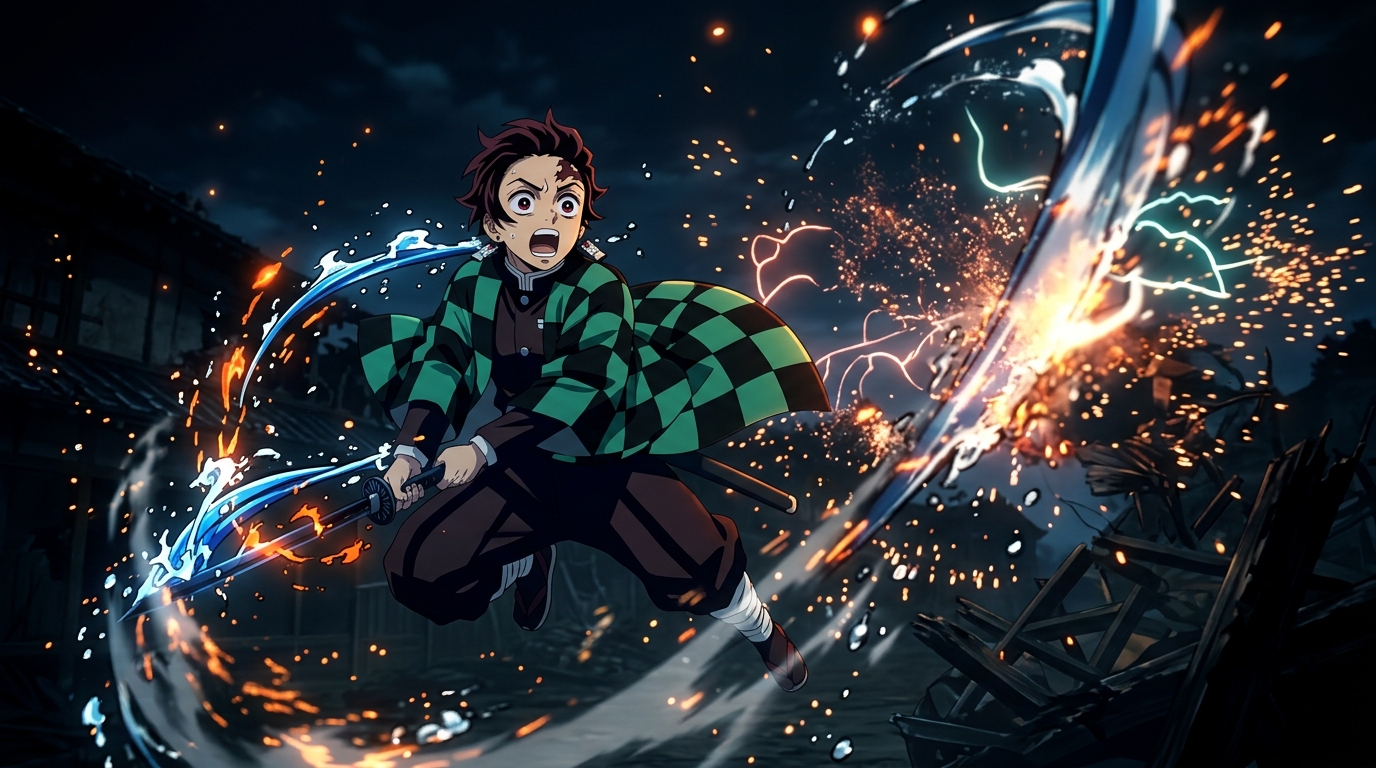
The latest Demon Slayer episode has sent shockwaves through the anime community. Social media exploded with reactions, theories, and endless debates about what just happened. Fans couldn’t stop talking about the stunning animation, unexpected character deaths, and plot twists that nobody saw coming.
Demon Slayer episode reactions reveal how fans process major story developments through social media discussions, fan theories, and emotional responses. Understanding these reactions helps viewers appreciate the show’s impact on the anime community. This guide breaks down common reaction patterns, where to find authentic fan discussions, and what makes certain episodes generate massive buzz online.
Why Fans React So Strongly to New Episodes
Demon Slayer has built a passionate fanbase that treats each new episode like a major event. The show delivers consistently high animation quality that sets new industry standards. Ufotable‘s production work makes every fight scene feel cinematic.
But animation alone doesn’t explain the intense reactions. The story hits emotional beats that resonate with viewers worldwide. Characters face genuine stakes. Deaths feel permanent. Victories come at real costs.
The pacing also plays a role. The show knows when to slow down for character moments and when to ramp up the action. This creates natural peaks that give fans something to talk about.
Social media amplifies these reactions. Fans watch episodes simultaneously and share their thoughts in real time. A single shocking moment can generate thousands of posts within minutes.
Where Fans Share Their Episode Reactions
Finding authentic fan reactions requires knowing where the community gathers. Different platforms serve different purposes.
Twitter and X become reaction hubs during new episode releases. Fans post immediate thoughts, screenshots, and short clips. The character limit forces people to distill their reactions into punchy statements. Hashtags like #DemonSlayer and #KimetsuNoYaiba trend globally after major episodes.
Reddit communities offer more detailed discussions. Subreddits like r/KimetsuNoYaiba host episode discussion threads where fans analyze every scene. Comments get upvoted based on insight rather than speed. You’ll find frame-by-frame breakdowns and manga comparisons here.
YouTube channels create reaction videos that capture genuine first-time viewing experiences. Some reactors pause to discuss theories. Others let emotions flow naturally. These videos often rack up millions of views for significant episodes.
Discord servers provide real-time chat during episode premieres. Fans watch together virtually and share instant reactions. The conversation flows faster than Reddit but with more depth than Twitter.
TikTok clips highlight specific moments that resonated. A single emotional scene might spawn hundreds of videos with different reactions. The algorithm pushes the most engaging clips to wider audiences.
Common Types of Episode Reactions
Fan reactions follow recognizable patterns based on what happens in each episode. Understanding these patterns helps you anticipate community responses.
Shock and Disbelief
Major character deaths or unexpected betrayals trigger this reaction. Fans refuse to believe what they just watched. Comments flood in with variations of “No way that just happened” or “Tell me I’m seeing things.”
The Rengoku episode remains the gold standard for shock reactions. Fans knew something bad might happen but weren’t prepared for the execution. The emotional impact hit harder than anyone expected.
Hype and Excitement
Epic fight scenes generate pure adrenaline responses. Fans use caps lock liberally. Exclamation marks multiply. Words like “insane,” “incredible,” and “legendary” appear constantly.
Animation quality drives much of this reaction. When Ufotable goes all out on a battle sequence, fans recognize the effort. They share clips, create compilations, and debate which fight scene ranks highest.
Emotional Devastation
Sad moments break the fanbase collectively. Tissues become necessary viewing equipment. Fans share photos of themselves crying or admit they need time to recover before continuing.
These reactions often include appreciation for voice acting. The Japanese and English casts both deliver performances that amplify emotional scenes. Fans discuss specific line deliveries that hit particularly hard.
Theory Crafting
Mysterious developments spark immediate speculation. Fans who read the manga drop hints without spoiling. Anime-only viewers build theories based on available clues. Discussion threads fill with predictions and analysis.
This reaction type shows the deepest engagement. Fans rewatch episodes looking for details they missed. They compare scenes to earlier episodes searching for foreshadowing.
Breaking Down a Viral Episode Reaction
Let’s examine how reactions unfold after a particularly impactful episode:
-
Initial wave (0-30 minutes): Raw emotional responses flood social media. Short posts dominate. Fans express shock, sadness, or excitement without much analysis.
-
Screenshot phase (30-60 minutes): Fans start sharing specific frames. Beautiful animation moments get captured and posted. Emotional expressions become memes.
-
Discussion phase (1-3 hours): Longer posts appear as fans process what happened. Reddit threads fill with comments. YouTube reactors upload their videos.
-
Analysis phase (3-24 hours): Detailed breakdowns emerge. Fans notice small details and animation techniques. Comparisons to manga panels appear.
-
Meme phase (1-7 days): The community transforms emotional moments into shareable content. Inside jokes develop. Certain lines become catchphrases.
What Makes an Episode Go Viral
Not every episode generates the same reaction volume. Certain elements predict which episodes will dominate social media.
| Element | Impact Level | Why It Works |
|---|---|---|
| Major character death | Extremely high | Creates emotional shock and disbelief |
| Epic battle climax | Very high | Showcases animation quality fans love |
| Plot twist revelation | Very high | Sparks theories and rewatches |
| Character backstory | High | Builds emotional connection |
| Comedy relief | Medium | Provides shareable moments |
| Setup episodes | Low | Important but lack viral moments |
The most viral episodes combine multiple elements. A fight scene becomes more impactful when preceded by emotional backstory. A death hits harder when it happens during a beautifully animated sequence.
Timing also matters. Season finales naturally generate more discussion. Mid-season peaks create sustained interest. Episodes that adapt fan-favorite manga chapters arrive with built-in hype.
Reading Between the Reaction Lines
Fan reactions reveal more than just opinions about individual episodes. They show what the community values most.
Animation appreciation appears consistently. Fans recognize quality production work. They celebrate sakuga moments (scenes with exceptional animation). This reflects how Demon Slayer raised expectations for anime visuals.
Character attachment drives emotional reactions. Fans invest deeply in character journeys. Even supporting characters receive passionate responses when their moments arrive.
Story respect matters to the community. Fans appreciate when the anime adaptation stays faithful to the manga. Changes get scrutinized carefully. Improvements get celebrated loudly.
Accessibility concerns appear in discussions. Fans want newcomers to enjoy the show. They debate whether certain episodes work as entry points. This shows a community that wants to grow.
How Manga Readers Influence Reactions
The relationship between manga readers and anime-only viewers creates interesting reaction dynamics. Manga readers know what’s coming but still react strongly to seeing scenes animated.
These fans often post vague hints before big episodes. Comments like “Anime-only fans aren’t ready” build anticipation without spoiling. This creates a feedback loop where expectations rise before impactful episodes.
Some manga readers focus on adaptation quality. They compare panel layouts to scene composition. Voice acting gets evaluated against their imagination. Animation additions get praised or questioned.
Anime-only viewers sometimes avoid discussions before watching. They fear spoilers from overeager manga readers. This creates separate discussion spaces for each group.
The healthiest communities establish clear spoiler policies. Tagged spoilers let manga readers discuss future events without ruining surprises. This balance keeps both groups engaged.
Spotting Authentic vs Manufactured Reactions
Not all online reactions come from genuine fans. Understanding the difference helps you find valuable discussions.
Authentic reactions show specific details. Fans mention exact scenes, character names, and episode numbers. They reference previous episodes naturally. Their emotional responses feel proportional to events.
Manufactured reactions stay vague. They use generic praise without specifics. The language feels corporate or promotional. Timing seems coordinated rather than organic.
Genuine fans engage in back-and-forth discussions. They respond to comments and build on other people’s points. Their post history shows consistent anime interest.
Bot accounts post similar messages repeatedly. They don’t engage with replies. Their profiles lack personality or consistent interests.
“The best episode reactions come from people who care about the story, not just the spectacle. Look for fans who remember character arcs and notice small details. Those discussions teach you something new about the show.” – Anime community moderator
Seasonal Reaction Patterns
Demon Slayer reactions follow predictable seasonal rhythms. Understanding these patterns helps you know when to check social media.
Season premieres generate massive hype regardless of content. Fans celebrate the show’s return. First episodes get dissected thoroughly even when they’re mostly setup.
Mid-season episodes see varied engagement. Setup episodes get quieter responses. Action-heavy episodes spike dramatically. The community’s energy ebbs and flows.
Season finales create sustained discussion. Fans debate where the story will go next. They rank the season against previous ones. Speculation about the next season begins immediately.
Between seasons the community stays active through rewatches, fan art, and manga discussions. Reaction content shifts to retrospectives and rankings.
International Reaction Differences
Demon Slayer’s global popularity means reactions vary by region. Cultural context shapes how different audiences respond.
Japanese fans often focus on voice acting and cultural references. They catch nuances that translation might miss. Their reactions appear on Japanese social media platforms first.
Western fans emphasize animation quality and emotional beats. Discussions happen primarily in English across multiple platforms. Meme culture plays a bigger role.
Southeast Asian fans create particularly vibrant communities. Cosplay and fan art flourish. Watch parties become social events. Reactions blend multiple languages naturally.
Latin American fans bring intense passion to discussions. Dubbed versions generate their own reaction waves. Voice actor appreciation runs especially high.
These regional differences enrich the global conversation. A scene might resonate differently across cultures, revealing new interpretations.
The Role of Reaction Videos
Reaction videos have become their own content category. Watching others experience the show creates a shared viewing experience.
First-time reactors provide fresh perspectives. Their genuine surprise at plot twists reminds longtime fans why they love the show. These videos often get recommended to new viewers.
Analyst reactors pause frequently to discuss techniques. They explain animation principles or story structure. These videos appeal to fans wanting deeper understanding.
Group reactors capture multiple perspectives simultaneously. Different people notice different details. The conversation between reactors adds entertainment value.
Binge reactors watch multiple episodes per video. This format works well for catching up on older seasons. Fans enjoy seeing compressed reaction arcs.
The most successful reaction channels balance genuine emotion with insightful commentary. Fake reactions get called out quickly by observant fans.
How Studios Monitor Fan Reactions
Production committees pay attention to fan responses. Social media sentiment influences future decisions.
Trending topics signal which elements resonate strongest. Studios note which characters generate the most discussion. This can influence merchandise priorities and story emphasis.
International reactions affect dubbing and distribution strategies. Strong reactions in specific regions might accelerate local releases or increase marketing budgets.
Animation praise validates production choices. When fans celebrate specific scenes, studios understand what’s worth the extra effort and budget.
Criticism patterns get noticed too. Repeated complaints about pacing or adaptation choices might influence future seasons. Smart studios listen without overreacting.
This feedback loop makes fan reactions more than just entertainment. They genuinely impact how anime gets made and distributed.
Avoiding Spoilers While Engaging
Participating in reaction discussions without getting spoiled requires strategy. Here’s how to stay safe:
- Watch episodes as soon as possible after release
- Mute keywords on Twitter before premiere times
- Avoid video thumbnails and titles on YouTube
- Use spoiler-free discussion threads on Reddit
- Follow anime-only accounts instead of manga readers
- Turn off autoplay on social media feeds
Even with precautions, spoilers happen. Manga readers sometimes forget to tag properly. Malicious users occasionally spoil deliberately. Having a plan minimizes damage.
If you get spoiled, remember that execution matters more than surprise. Knowing what happens doesn’t ruin how it happens. Demon Slayer’s strength lies in presentation as much as plot.
Creating Your Own Reaction Content
Want to join the conversation with your own reactions? Here’s how to make content people actually want to see:
-
Be genuine: Fake reactions are obvious and off-putting. Show real emotions.
-
Add value: Pure reactions work initially, but adding analysis or unique perspectives keeps people coming back.
-
Respect spoilers: Tag everything appropriately. Don’t ruin surprises for others.
-
Engage with comments: Build community by responding to your audience.
-
Maintain consistency: Regular uploads during a season help build an audience.
-
Show personality: Let your unique perspective shine through. Don’t copy other reactors.
The reaction content space is crowded but always has room for authentic voices. Your specific background and perspective make your reactions unique.
What Your Reactions Say About You
The way you react to episodes reveals your viewing priorities. Some fans care most about action. Others prioritize emotional storytelling. Neither approach is wrong.
Action-focused viewers get most excited during fight scenes. They rewatch battle sequences multiple times. Discussion centers on power levels and techniques.
Character-focused viewers invest in relationships and development. They analyze dialogue and motivations. Quiet character moments hit hardest.
Technical viewers appreciate production craft. They notice animation techniques, soundtrack choices, and directorial decisions. Their reactions include technical terminology.
Story-focused viewers care about plot progression and worldbuilding. They build theories and track narrative threads. Mysteries engage them most.
Understanding your reaction style helps you find like-minded fans. It also helps you appreciate what others value even when it differs from your priorities.
Keeping the Community Healthy
Strong fan communities require active maintenance. Toxic behavior can poison discussions and drive people away.
Good community practices include respecting different opinions, tagging spoilers properly, avoiding gatekeeping, celebrating fan creativity, and calling out harassment.
Warning signs include constant negativity, aggressive arguments over minor points, spoiler weaponization, and harassment of cast or crew.
The best communities balance passion with respect. Disagreements about episodes are fine. Personal attacks aren’t. Moderators play crucial roles in maintaining this balance.
As a community member, you influence the culture through your own behavior. Positive engagement encourages others. Toxic behavior normalizes more toxicity.
Making Reactions Matter Beyond the Moment
Episode reactions can be more than disposable content. They document the anime community’s evolution and preserve cultural moments.
Archiving discussions helps future fans understand the original impact. Reading old reaction threads shows how perceptions change over time.
Compilation videos preserve the collective response to major episodes. Years later, these compilations remind fans why certain moments mattered.
Analysis pieces transform reactions into lasting insights. Well-written breakdowns continue providing value long after episodes air.
Fan projects channel reaction energy into creative works. Art, music, and stories extend the conversation beyond simple responses.
Your reactions contribute to this larger cultural record. Even a single tweet becomes part of how the anime community remembers this show.
Finding Your Place in the Reaction Community
You don’t need thousands of followers to participate meaningfully. Small contributions matter.
Start by simply watching and commenting. Join discussion threads. Share what moved you. Ask questions about things you didn’t understand.
As you get comfortable, create your own content. Write posts analyzing episodes. Record reaction videos. Make fan art inspired by scenes.
Connect with other fans who share your perspective. Build friendships around shared enthusiasm. Attend virtual or in-person watch parties.
The Demon Slayer community welcomes genuine fans at all engagement levels. Your unique perspective adds to the collective experience.
Why These Reactions Create Lasting Memories
Years from now, fans will remember not just the episodes but how the community responded. The collective experience of watching together creates bonds.
Major episodes become reference points. “Remember when that episode dropped?” starts countless conversations. Shared trauma and joy build community identity.
These reactions also document anime’s growing cultural significance. Demon Slayer’s mainstream success brought anime to new audiences. The reaction patterns show this expansion happening in real time.
Future anime fans will look back at this era as a turning point. Your reactions are part of that history.
Staying Connected Between Episodes
The conversation doesn’t stop when episodes end. Active communities maintain engagement through various activities.
Rewatch discussions let fans notice details they missed initially. Second viewings hit differently with full context.
Theory crafting keeps speculation alive. Fans debate what’s coming next based on available clues.
Fan content floods social media between episodes. Art, cosplay, and music covers keep the show present.
Merchandise drops create mini-events. New figures or clothing lines spark their own discussions.
Cast interviews provide behind-the-scenes insights. Fans analyze comments for hints about future episodes.
This sustained engagement shows the depth of fan investment. Demon Slayer isn’t just a show people watch. It’s a community they belong to.
Your Reaction Journey Starts Now
Every fan’s relationship with Demon Slayer begins with that first episode reaction. Maybe you felt immediately hooked. Maybe the show grew on you gradually. Either path is valid.
As you continue watching, your reactions will evolve. Early episodes hit differently after you know the full story. Character moments gain weight with context. The show rewards rewatching.
Don’t worry about having the “right” reactions. Your genuine response is what matters. The community thrives on diverse perspectives and honest emotions.
Jump into discussions. Share your thoughts. Ask questions. Create content if you feel inspired. Or simply enjoy reading what others think.
The demon slayer episode reaction community is massive, passionate, and welcoming. Your voice adds to the chorus that makes this show a cultural phenomenon. Watch the next episode, feel what you feel, and share it with people who understand exactly why this show matters so much.