
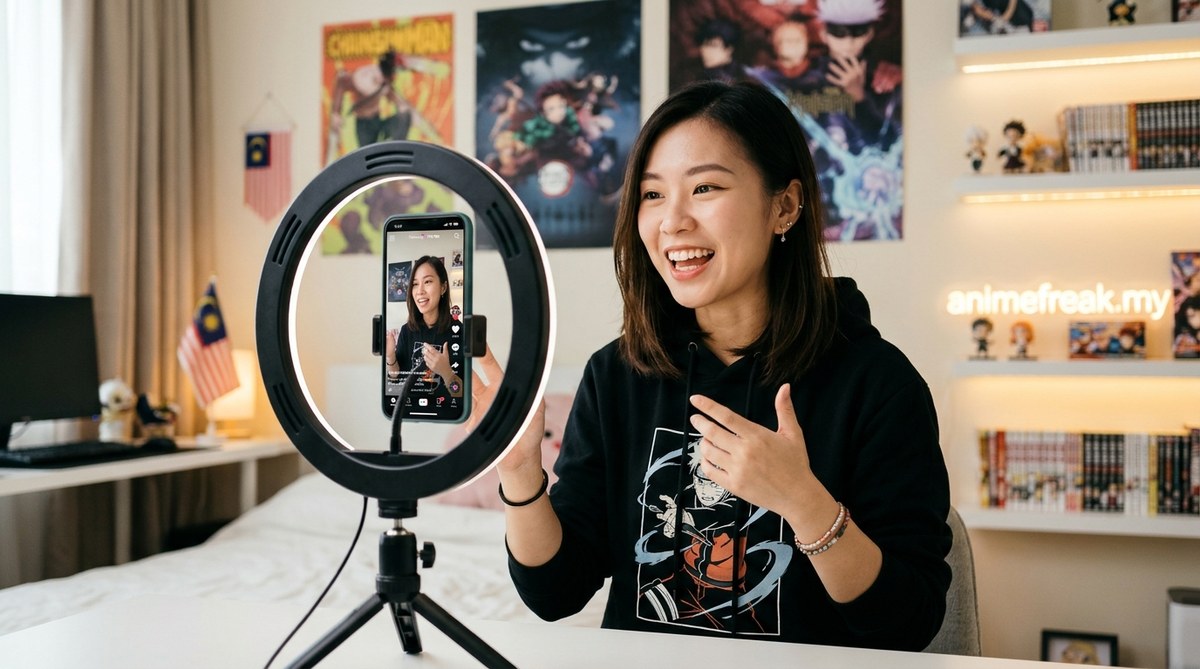
Think about the last time you watched a new anime episode and immediately opened TikTok to see what people were saying. You probably saw a Malaysian creator pointing out a frame where the animation looked off, or someone arguing that the pacing in the latest Jujutsu Kaisen episode was too slow. What started as casual reactions has turned into something bigger. Malaysian fans are now shaping the way anime criticism happens online, and they are doing it from their phones, in under three minutes.
Malaysian anime fans on TikTok are shifting criticism from traditional blog reviews to short, visual analysis. They focus on animation quality, studio decisions, and cultural relevance. This approach values speed and community debate over long essays. Local creators are becoming trusted voices by mixing technical knowledge with relatable Malaysian humor.
How TikTok Changed the Way We Talk About Anime
For years, anime criticism lived on forums, blogs, and YouTube video essays. A reviewer would write 2,000 words about a season premiere or spend hours editing a video breaking down a single fight scene. That format still exists, but TikTok has introduced a new way of thinking.
The platform rewards speed and personality. A Malaysian creator can watch an episode, record a 60 second reaction, and have it seen by 50,000 people before the next episode airs. This changes the power dynamic. You do not need a huge following or a professional setup. You just need an opinion and the courage to share it.
Malaysian fans bring something unique to this space. They often watch anime with subtitles in English or Japanese, but they comment in a mix of English, Malay, and slang that feels familiar. This blend makes their criticism feel honest and accessible. When a creator in KL says that a character design looks “macam tak siap” (like it is unfinished), other Malaysians immediately understand the reference.
What Malaysian Critics Focus On
The best TikTok anime criticism from Malaysia tends to focus on three main areas.
Animation Quality and Studio Choices
Fans care deeply about who animates their favourite shows. When a beloved series changes studios, Malaysian creators are among the first to point out shifts in art style. A recent example involved the new season of a major shonen series. TikTok users in Malaysia slowed down clips to show where the animation looked stiff compared to previous seasons. They did not just complain. They explained why it happened, often referencing production schedules and studio workload.
Pacing and Story Structure
Malaysian viewers are patient, but they also know when a show is wasting their time. TikTok critics often use the platform’s split screen feature to compare a manga panel with the anime adaptation. This visual proof makes arguments about pacing easier to understand. If a scene that took one page in the manga gets stretched into a full episode, someone in Malaysia will point it out.
Cultural Representation and Local Relevance
This is where Malaysian criticism truly stands out. Fans here notice when an anime portrays Southeast Asian settings or characters. They celebrate accurate representation and call out lazy stereotypes. When a 2026 series featured a character who was supposed to be from Malaysia but spoke with an accent that was clearly not local, TikTok creators jumped on it. They made videos comparing the character’s speech to actual Malaysian accents, and the conversation spread across Twitter and Instagram too.
A Practical Guide to Making Your Own Anime Criticism on TikTok
If you want to join this movement, here is a simple process to follow.
-
Watch the episode with a critical eye. Take notes on anything that stands out, good or bad. Pay attention to animation, voice acting, and how the episode fits into the larger story.
-
Identify one clear point. TikTok is not the place for a full review. Pick one thing to talk about. Maybe it is a weird camera angle in a fight scene or a line delivery that felt flat.
-
Record your video with visual proof. Show the clip you are talking about. Use TikTok’s text overlay to highlight what you mean. Point to the screen if you need to.
-
Keep your tone natural. You are talking to friends, not writing an essay. Use your normal voice. Malaysian slang is welcome here.
-
Engage with the comments. The best part of TikTok criticism is the debate. Respond to people who disagree. You might change your mind, or they might change theirs.
Common Mistakes to Avoid
Even experienced creators slip up sometimes. Here is a table of common mistakes and how to fix them.
| Mistake | Why It Hurts Your Video | Better Approach |
|---|---|---|
| Being vague | Viewers do not know what you are criticising | Show the exact frame or line you mean |
| Ignoring production context | Blaming animators for things they cannot control | Mention studio schedules or budget limits |
| Only complaining | Criticism without balance feels bitter | Acknowledge what the show does well too |
| Using inside jokes only | New viewers feel left out | Explain the joke briefly before using it |
| Not engaging with replies | You miss the chance to build community | Reply to at least five comments per video |
Why Malaysian Voices Matter More Now
The anime industry is paying attention to international markets. Malaysia is a growing market for streaming services, and local fan opinions influence licensing decisions. When Malaysian TikTok creators criticise a show for poor animation, studios notice. It is not just about venting frustration. It is about holding the industry accountable.
Malaysian fans also bring a perspective that Western critics sometimes miss. They understand the influence of Chinese and Korean animation studios on the industry. They are more likely to notice when a show outsources its animation to a studio in another Asian country. This knowledge makes their criticism more informed.
“Malaysian fans do not just watch anime. They study it. They know the names of key animators. They track production schedules. Their criticism is rooted in real understanding, not just emotion.” — Arief, creator of the TikTok account @animekritik
The Tools You Need to Start
You do not need expensive equipment. Here is a list of what works for most Malaysian creators.
- A smartphone with a decent camera (any model from the last three years works)
- A TikTok account (obviously)
- A note taking app for jotting down thoughts while watching
- A screenshot or screen recording tool (most phones have this built in)
- A stable internet connection for uploading
That is it. The barrier to entry is very low, which is why so many people are doing it.
How to Grow Your Audience as an Anime Critic
Building a following takes time, but these strategies help.
- Post consistently. Try to upload at least three times a week, especially during busy anime seasons.
- Use relevant hashtags. Include tags like #animecriticism, #animetiktok, and #malaysiaanime to reach the right viewers.
- Collaborate with other creators. Duet or stitch videos from other Malaysian anime fans. This introduces your content to their audience.
- Stay on top of new releases. Being the first to criticise a new episode gets you more views. Check the release schedule for shows like those in our guide to the 10 Most Anticipated Anime Adaptations Coming in 2026 That Will Break the Internet.
- Be honest. Audiences can tell when you are faking an opinion. If you liked an episode, say so. If you hated it, explain why.
The Future of Anime Criticism in Malaysia
The trend is not slowing down. More Malaysian creators are starting TikTok accounts focused on anime analysis every month. Some are even moving into longer form content on YouTube, using the audience they built on TikTok as a launchpad.
Streaming platforms are also taking notice. Services like Netflix and Crunchyroll are beginning to invite Malaysian creators to early screenings and press events. This gives local critics access to information that was previously reserved for Western outlets. It is a sign that the industry values the Malaysian voice.
If you are a fan who loves to talk about what makes a show work or fail, now is the time to start. Your opinion matters. The community is waiting to hear it.
Your Turn to Join the Conversation
Malaysian anime criticism on TikTok is not a passing trend. It is a genuine shift in how fans interact with the medium. You have the tools, the knowledge, and the perspective to contribute. The next time you watch an episode that makes you feel something, record a video. Share your thoughts. Tag it with the right hashtags. You might be surprised by how many people agree with you.
And if you need a place to start, check out our list of 5 Anime Voice Actors Who Just Announced Major Career Changes That Will Shock Fans for a hot topic that is already generating discussion on Malaysian TikTok.