
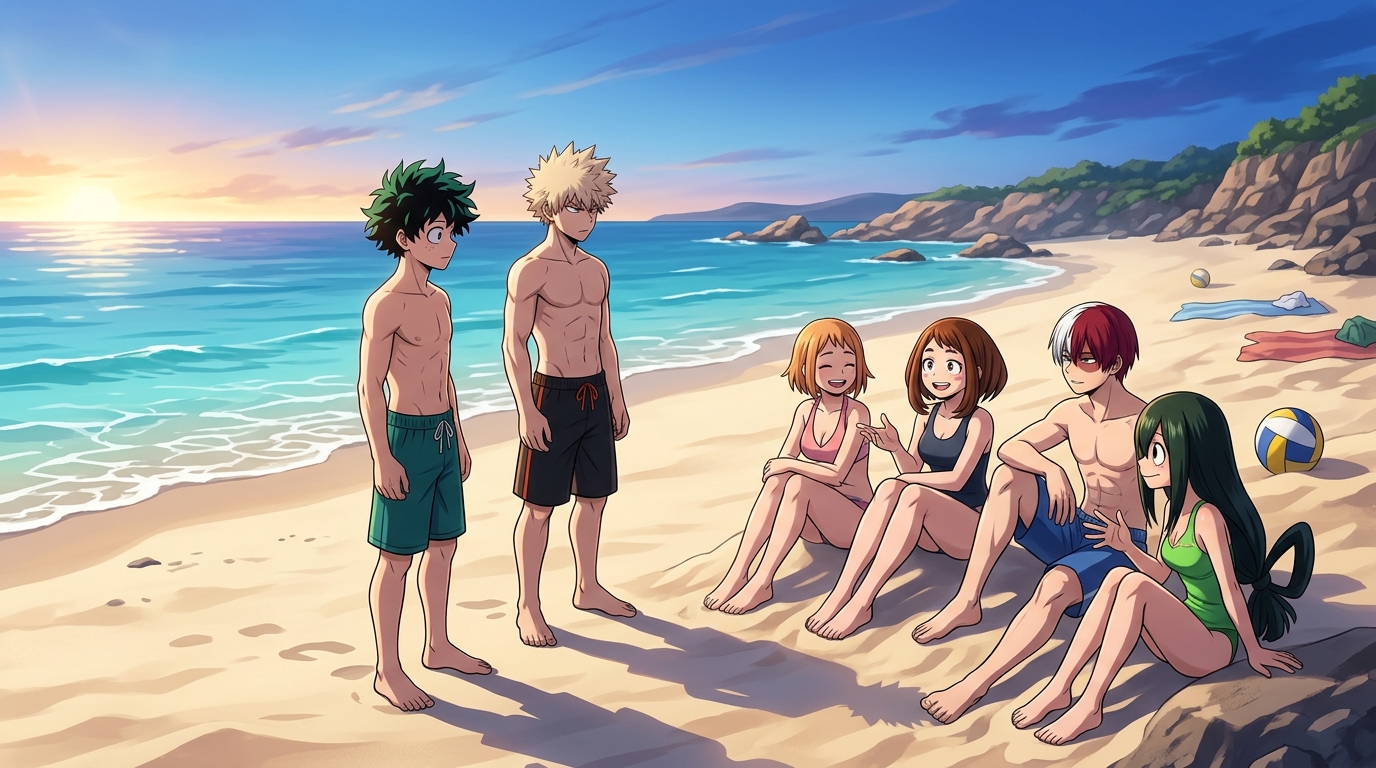
Season 3 of My Hero Academia brought fans an episode that could have been throwaway filler. Instead, it became a masterclass in balancing lighthearted fun with meaningful character development. The beach episode doesn’t just exist for swimsuit shots. It serves the narrative in ways that pay off later in the season.
The my hero academia beach episode in season 3 combines relaxation with strategic storytelling. Class 1-A’s shopping trip and pool training reveal character relationships, [foreshadow upcoming conflicts](https://en.wikipedia.org/wiki/Foreshadowing), and develop Deku’s fighting style. The episode balances comedy with genuine emotional beats whilst advancing multiple character arcs. It proves that beach episodes can serve the plot when writers prioritise substance alongside entertainment value.
Why This Episode Exists in the Timeline
The beach episode arrives right before the training camp arc. That placement is intentional. Students need supplies for their upcoming trip to the mountains. The shopping sequence isn’t just an excuse to show characters in casual clothes. It establishes the mundane reality these teenagers live between villain attacks.
Deku’s notebook analysis during the mall scene sets up his evolving combat strategy. He’s studying how to incorporate kicks into his fighting style. This becomes critical during later battles when his arms are damaged. The groundwork laid here pays dividends in future episodes.
The pool training sequence shows how Class 1-A approaches improvement even during downtime. Bakugo and Todoroki turn a simple race into a competition. Iida practices his engine quirk. Deku experiments with underwater movement. These aren’t random activities. They reflect each character’s dedication to growth.
Character Dynamics That Actually Matter
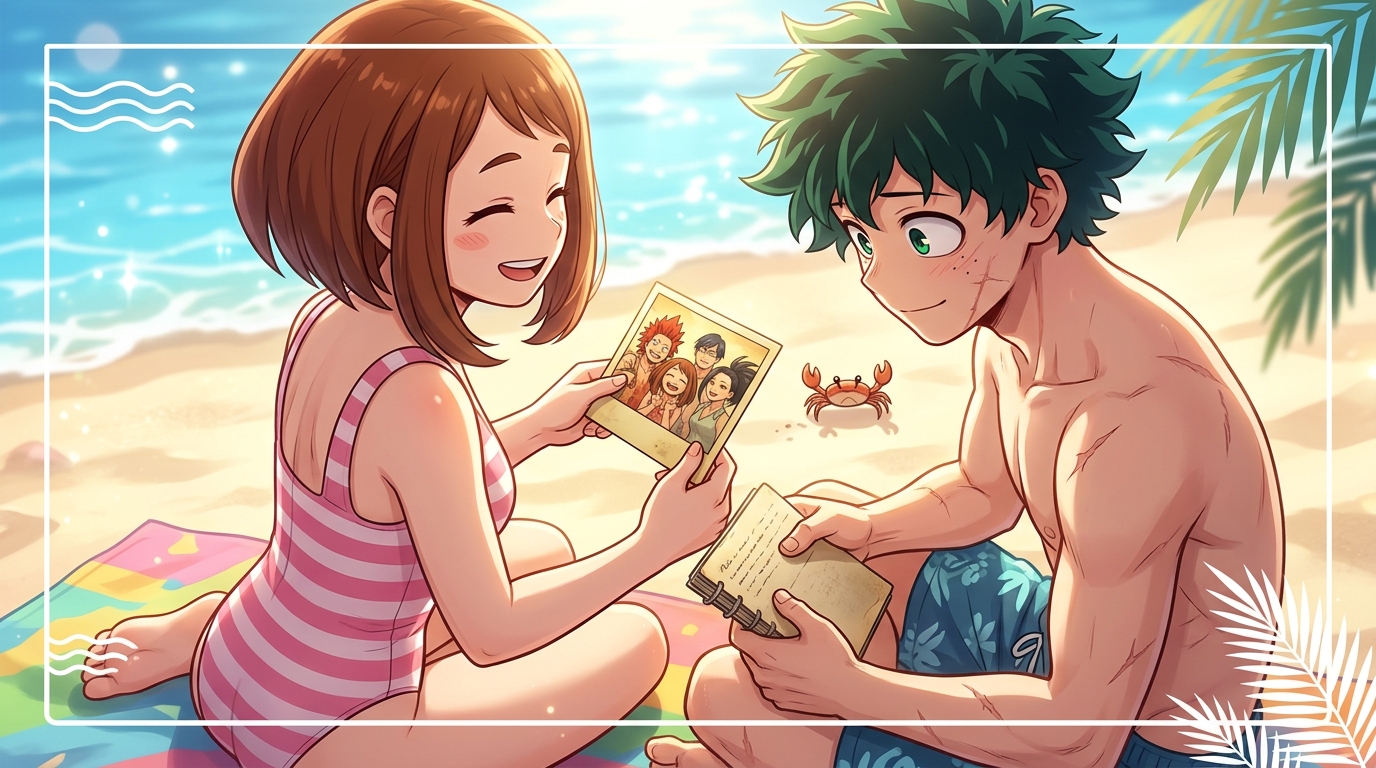
The episode reveals relationship dynamics that textbooks and combat training can’t show. Mineta’s behaviour contrasts sharply with how other male students interact with their female classmates. This contrast highlights the respect most of Class 1-A shows each other.
Momo’s insecurity about her hero costume gets addressed through Jiro’s support. Their friendship develops beyond background interactions. The pool scene gives Momo a chance to demonstrate leadership when she organises activities. Her confidence grows in small, believable increments.
Todoroki’s participation in the group activity marks significant progress. Early in the series, he isolated himself from classmates. Here, he engages in friendly competition. He’s not fully open yet, but he’s trying. That’s character development that respects the audience’s intelligence.
The Shopping Mall Sequence Breakdown
The mall trip accomplishes several narrative goals simultaneously:
- It shows normal teenage behaviour between crisis events
- It introduces Shigaraki’s ability to move freely in public spaces
- It demonstrates Deku’s analytical approach to hero work
- It establishes the false sense of security before the training camp attack
Shigaraki’s appearance transforms a lighthearted shopping trip into a tension-filled encounter. Deku can’t fight. Any aggressive move puts civilians at risk. The scene demonstrates that hero work isn’t always about punching villains. Sometimes it’s about protecting people through restraint.
This encounter also shows how far Shigaraki has come as a threat. He’s not the impulsive villain from earlier seasons. He’s calculating. He’s patient. He makes his point and leaves. That evolution makes him more dangerous.
Training Disguised as Recreation
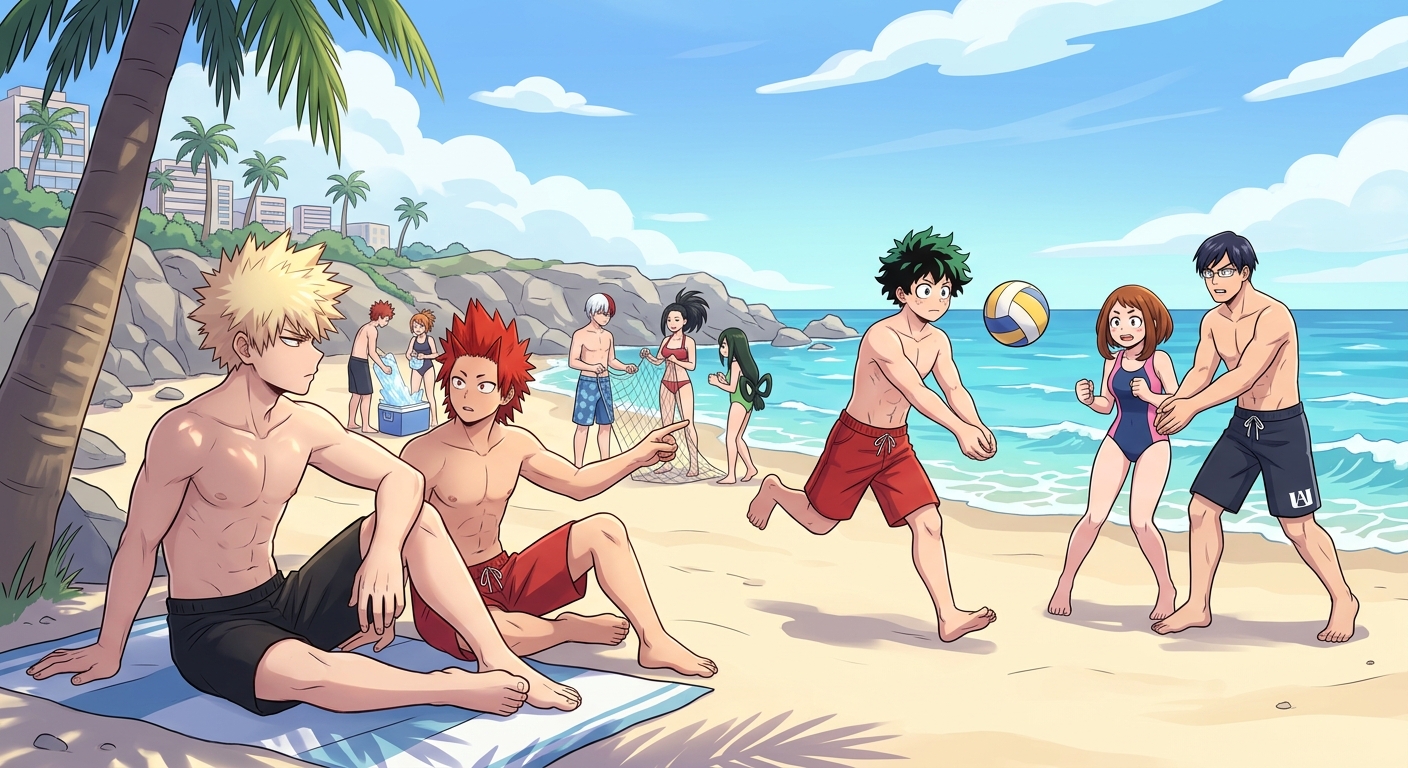
The pool competition reveals how Class 1-A thinks about their quirks:
- Bakugo uses explosions for propulsion
- Todoroki creates ice platforms for speed
- Iida optimises his engine output
- Deku analyses everyone’s techniques
Each student approaches the same challenge differently. Their methods reflect their personalities and combat styles. Bakugo’s aggressive propulsion matches his fighting approach. Todoroki’s calculated ice use shows his tactical thinking. These details reinforce characterisation without exposition.
The girls’ volleyball game gets less screen time but serves a purpose. It shows the female students bonding outside of academic pressure. Uraraka, Tsuyu, Mina, and others interact as friends, not just classmates. These relationships become important during later arcs when they support each other through trauma.
What Makes This Different From Typical Beach Episodes
Most anime beach episodes follow a formula. Characters wear swimsuits. Comedy ensues. Nothing changes. The my hero academia beach episode subverts expectations by using the setting for actual storytelling.
| Element | Typical Beach Episode | MHA Beach Episode |
|---|---|---|
| Purpose | Pure fan service | Character development + plot setup |
| Consequences | Reset by next episode | Establishes future conflicts |
| Character growth | None | Multiple arcs progress |
| Villain presence | Never | Shigaraki encounter raises stakes |
| Training focus | Ignored | Integrated naturally |
The episode doesn’t pretend the beach trip exists in a vacuum. The training camp looms over everything. Students prepare consciously and unconsciously. The relaxation feels earned because we’ve seen them work hard. The contrast makes both elements stronger.
The best beach episodes understand that relaxation and development aren’t mutually exclusive. Characters can have fun whilst the story moves forward. The key is making sure every scene serves multiple purposes.
Foreshadowing Hidden in Plain Sight
Several moments in this episode gain new meaning after watching subsequent episodes. Deku’s focus on kick-based techniques becomes essential when Muscular damages his arms. The casual mention of the training camp location sets up the League of Villains’ attack. Shigaraki’s mall appearance demonstrates how easily villains can reach students.
Even small details matter. Kirishima’s enthusiasm about the training camp reflects his desire to prove himself. That desire drives his actions during the camp attack. Bakugo’s competitive nature during the pool race mirrors his refusal to show weakness when captured. These aren’t accidents. They’re careful character work.
The episode also shows All Might in civilian form interacting normally with society. His weakening condition isn’t explicitly mentioned, but his presence reminds viewers that his time is limited. That underlying tension adds weight to otherwise light scenes.
How the Animation Supports the Story
The animation quality during the pool competition matches the intensity of actual battle sequences. Fluid movement. Dynamic camera angles. Detailed expressions. This elevates the scene beyond simple comedy. It treats the students’ competition with the same respect as their hero training.
The mall sequence uses different visual language. Wider shots emphasise public spaces. Muted colours create everyday atmosphere. Then Shigaraki appears and the colour palette shifts. Shadows deepen. The frame tightens around Deku. The visual change communicates danger without dialogue.
Character expressions throughout the episode reveal internal states. Momo’s uncertain glances. Todoroki’s small smile during the race. Deku’s terror when Shigaraki touches his neck. The animation team understands that beach episodes still require strong character acting.
The Balance Between Comedy and Tension
The episode walks a tightrope between tones. The first half leans into comedy and relaxation. Students joke around. Mineta does Mineta things. The atmosphere feels genuinely carefree. Then the Shigaraki encounter shifts everything. The tonal change works because the episode earned the lighthearted moments first.
This structure mirrors the students’ reality. They’re teenagers trying to enjoy normal experiences whilst living under constant threat. The whiplash between fun and danger isn’t a flaw. It’s the point. Heroes don’t get to choose when villains appear.
The return to the pool after the mall creates intentional dissonance. Deku can’t fully relax anymore. He’s been reminded that safety is temporary. Other students remain unaware. That gap in knowledge adds dramatic irony to the remaining scenes.
Lessons for Understanding Hero Society
The beach episode reveals how hero society functions during peacetime. Heroes patrol. Students train. Life continues. But the system’s cracks show. Shigaraki walks through a crowded mall unrecognised. Security measures fail. The illusion of safety persists despite obvious vulnerabilities.
This episode also demonstrates the pressure on hero students. They can’t fully disconnect from their training. Even recreation becomes practice. Friendships form around shared goals. The beach trip isn’t escape. It’s a different context for the same underlying drive to improve.
The contrast between Class 1-A’s experience and normal teenagers becomes clear. Most students their age worry about exams and relationships. Class 1-A worries about those things plus villain attacks, quirk development, and life-or-death combat training. The beach episode highlights that gap.
Why Fan Service Doesn’t Undermine the Story
The episode includes typical beach episode elements. Swimsuits. Blushing. Comedic misunderstandings. These elements exist, but they don’t define the episode. The story continues regardless of what characters wear. That’s the difference between fan service as garnish versus fan service as substance.
The female characters maintain agency throughout. Momo addresses her costume concerns on her terms. The girls organise their own activities. They’re not passive objects for camera focus. The episode respects them as characters first.
Male characters’ reactions vary, which adds realism. Some students don’t care about swimsuits. Others react but remain respectful. Mineta exists as the negative example. His behaviour is clearly framed as wrong, not aspirational. That framing matters.
How This Episode Earned Its Place
Beach episodes often feel like obligations. Studios insert them to boost disc sales. They interrupt narrative momentum. The my hero academia beach episode avoids these pitfalls by serving the story first. Every scene advances character arcs or sets up future events.
The shopping trip introduces a major threat. The pool training develops fighting styles. The character interactions deepen relationships. The episode accomplishes what three separate episodes might handle in other series. That efficiency justifies its existence beyond commercial considerations.
Removing this episode would create gaps. Shigaraki’s escalation would feel sudden. Deku’s kick techniques would appear without foundation. Character relationships would lack development. The episode isn’t filler. It’s structure.
What Happens When Beach Episodes Have Purpose
This episode demonstrates what happens when writers treat every episode as important. Beach settings don’t require abandoning plot or character work. They offer different contexts for exploring established themes.
The relaxation in this episode makes subsequent trauma hit harder. We’ve seen Class 1-A happy and carefree. That makes their terror during the training camp attack more impactful. The contrast amplifies both experiences.
Future rewatches reveal new details. Deku’s notebook sketches. Background conversations. Character positioning during group scenes. The episode rewards attention because it’s constructed with care, not just assembled from beach episode tropes.
Making Every Moment Count
The my hero academia beach episode succeeds because it refuses to waste time. Comedy serves character development. Fan service doesn’t interrupt storytelling. Relaxation builds towards tension. Each element supports the others.
This approach should be standard, but it’s rare. Most beach episodes exist in isolation. They’re narrative islands that don’t connect to surrounding story. This episode integrates seamlessly. It feels necessary rather than inserted.
The result is an episode that satisfies multiple audience needs. Fans wanting lighthearted content get genuine fun. Fans wanting plot progression get setup and payoff. Fans wanting character work get meaningful development. Nobody leaves disappointed.
Why This Approach Works for Long-Running Series
Seasonal anime structure creates pressure to use every episode efficiently. My Hero Academia’s approach to the beach episode shows how to balance audience expectations with narrative needs. Give fans what they want, but make it matter.
The episode also provides pacing relief without stopping momentum. After intense battles and high stakes drama, viewers need breathing room. But that breathing room can still move pieces into place for future conflicts. Rest and preparation aren’t mutually exclusive.
This balance keeps long-running series from feeling bloated. Every episode justifies its runtime. Viewers trust that their time investment will pay off. That trust builds audience loyalty across seasons.
The Beach Episode as Storytelling Tool
When executed well, beach episodes become valuable storytelling tools. They reveal character in low-pressure situations. They establish relationships that matter during crises. They provide contrast that makes dramatic moments land harder.
The my hero academia beach episode proves the format’s potential. It takes familiar tropes and uses them as foundation rather than ceiling. The result feels fresh despite using recognisable elements. That’s skilled writing.
Other series could learn from this approach. Beach episodes don’t need to be throwaway content. They can advance plots, develop characters, and entertain simultaneously. It requires more effort than standard fan service, but the results justify the work.
Understanding What Makes Episodes Memorable
Years after airing, fans remember this beach episode. Not just for swimsuits, but for Shigaraki’s terrifying mall encounter. For Deku’s analytical approach to combat evolution. For small character moments that revealed personalities.
Memorable episodes create emotional responses beyond their immediate entertainment value. They change how we see characters or situations. They set up moments that pay off later. They reward investment in the story.
The beach episode achieves this by treating its premise seriously. It asks what a beach trip means for hero students. How would they behave? What threats exist? How does this fit into their larger journey? Answering these questions creates substance.
Your Next Rewatch Will Reveal More
The beauty of well-constructed episodes is how they improve on rewatch. Knowing what happens during the training camp arc adds weight to the beach episode’s lighter moments. Shigaraki’s mall appearance becomes more chilling. Deku’s training takes on new significance.
This episode rewards attention to detail. Background conversations. Character expressions. Small choices in animation and dialogue. Each viewing reveals something new because the creators packed meaning into every scene.
That’s the mark of quality storytelling. Surface-level entertainment on first watch. Deeper appreciation with subsequent viewings. The my hero academia beach episode delivers both, proving that beach episodes can be more than filler when creators care enough to make them matter.