
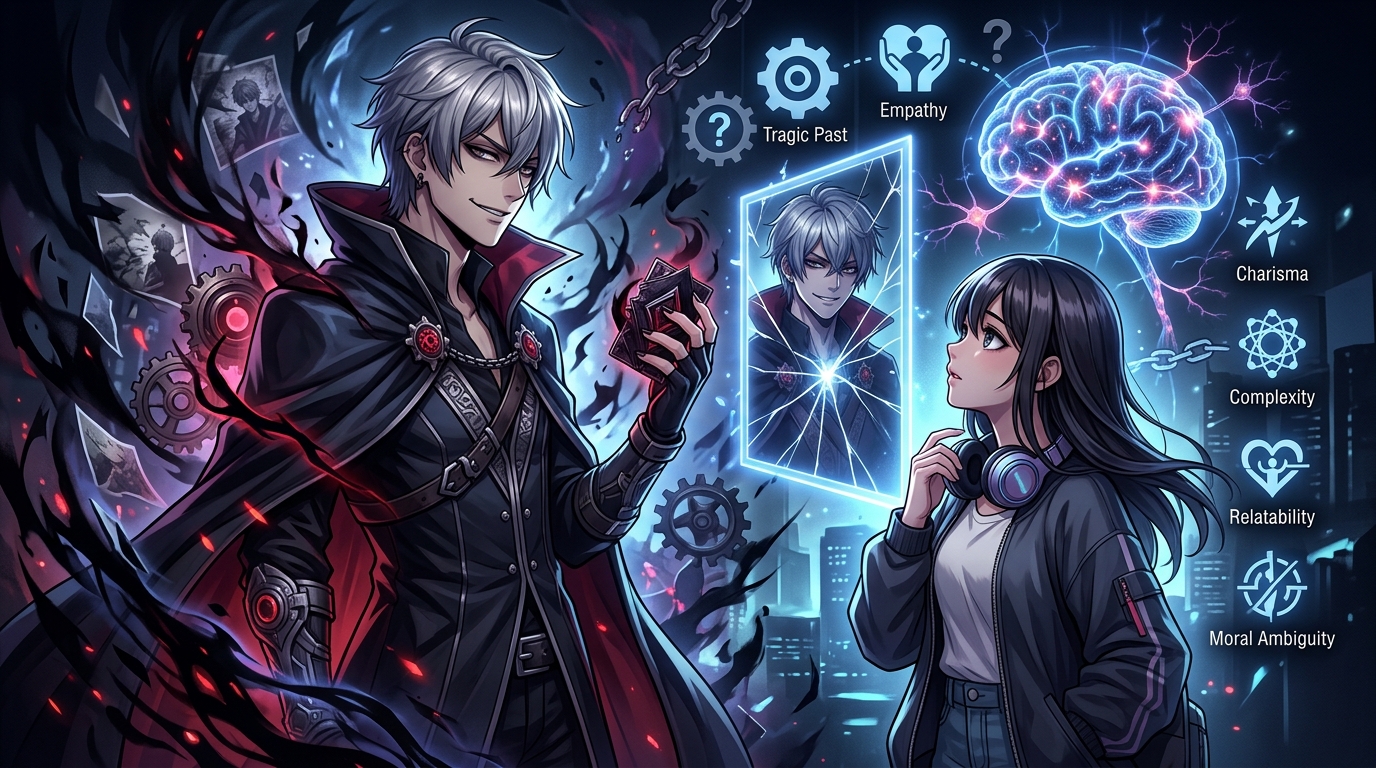
We root for heroes, but we remember villains. There’s something magnetic about a well-written antagonist that pulls us in, makes us question our loyalties, and sometimes even has us cheering for the wrong side. Anime does this better than most mediums, crafting villains so compelling that they often steal the spotlight from protagonists entirely.
Anime villains captivate us through complex motivations, relatable trauma, and moral ambiguity. They mirror our shadow selves, challenge societal norms, and offer emotional depth that transcends simple good versus evil narratives. Understanding this attraction reveals how we process our own darker impulses, empathise with pain, and appreciate storytelling that reflects real human complexity rather than perfect heroism.
They reflect our hidden desires
Every person carries thoughts and feelings they’d never act on. Anger at unfair treatment. Frustration with rules that seem pointless. The urge to tell someone exactly what you think without filtering.
Villains do what we can’t.
When Light Yagami from Death Note decides to become judge, jury, and executioner, he’s acting on a fantasy many people have entertained. What if you could eliminate all the bad people? What if you had that power? We know it’s wrong, but watching someone cross that line satisfies a curiosity we’d never indulge ourselves.
Pain from Naruto wants to end war by making everyone experience suffering. It’s extreme, but his core frustration with endless cycles of violence resonates. We’ve all felt tired of problems that never seem to get solved.
These characters let us explore dark “what ifs” safely. We’re not condoning their actions. We’re processing our own complicated feelings through their stories.
Complex backstories create empathy
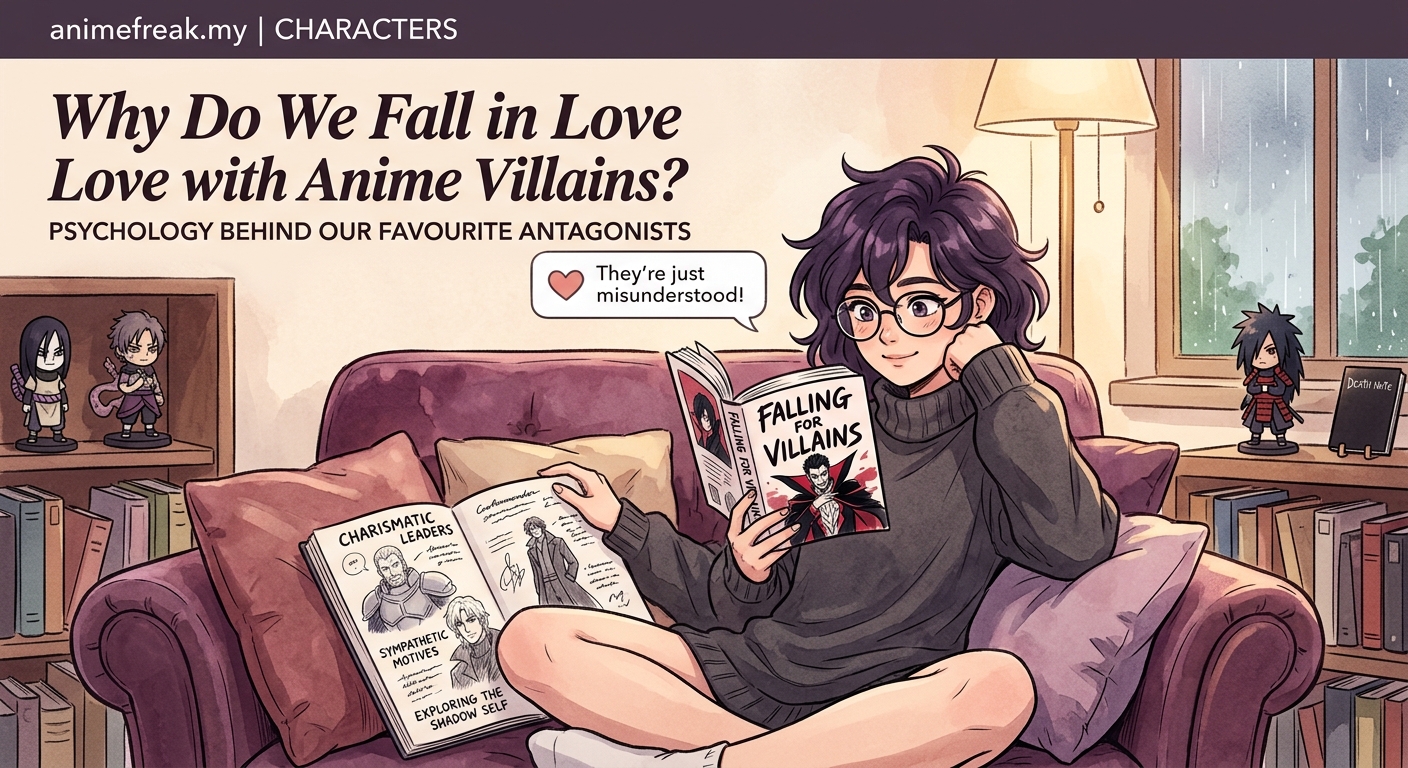
Most anime villains aren’t born evil. They’re made.
Gaara started as a weapon, rejected by his village and even his own father. Magneto survived the Holocaust. Meruem from Hunter x Hunter began as a creature of pure instinct but developed humanity through connection.
When we see the journey that created a villain, we understand them. Understanding doesn’t mean agreeing, but it creates emotional investment.
Here’s why tragic backstories work so effectively:
- They show cause and effect in character development
- They make extreme actions feel logical within context
- They create sympathy even when we disapprove of methods
- They mirror real trauma responses we recognise
- They suggest the villain could have been different under other circumstances
The best villains make us think “I might have made similar choices in that situation.” That recognition is uncomfortable and fascinating in equal measure.
They challenge black and white thinking
Real life rarely offers clear heroes and villains. Anime villains force us to sit with that ambiguity.
Thanos believed he was saving the universe. The Phantom Troupe in Hunter x Hunter operate with their own code of honour. Eren Yeager’s transformation from hero to antagonist blurs every line the story initially drew.
This moral complexity appeals to our more mature understanding of the world. As we get older, we realise most conflicts involve people who believe they’re doing the right thing. Villains who genuinely think they’re heroes reflect that reality.
They also question systems we take for granted. When a villain points out hypocrisy in hero society (like Stain in My Hero Academia), we’re forced to acknowledge valid criticisms. The villain becomes a mirror showing uncomfortable truths.
The psychology of attraction to darkness
Research on fictional villain attraction reveals interesting patterns. We’re drawn to characters who express traits we suppress.
| Psychological Factor | How It Manifests | Example Character |
|---|---|---|
| Shadow self exploration | Expressing forbidden thoughts | Light Yagami |
| Trauma recognition | Seeing our pain reflected | Gaara, Pain |
| Power fantasy | Watching someone refuse to be powerless | Sōsuke Aizen |
| Rebellion appeal | Rejecting societal constraints | Hisoka |
| Complexity appreciation | Enjoying nuanced characterisation | Meruem |
When we connect with a villain, we’re often connecting with a part of ourselves we don’t usually acknowledge. Someone who’s felt powerless might relate to a villain who refuses to be controlled ever again. Someone who’s been betrayed might understand a character who decides trust is weakness.
This isn’t unhealthy. Fiction provides a safe space to examine difficult emotions and impulses. Loving a villain doesn’t mean you’d support their actions in reality. It means you’re engaging with storytelling that acknowledges the full spectrum of human experience.
Superior character design and presence
Let’s be honest. Villains often get the coolest designs.
They wear dramatic outfits. They have striking colour schemes. Their powers are visually spectacular. Anime studios know antagonists need to make an impression, so they invest heavily in making them memorable.
Madara Uchiha’s entrance in the Fourth Great Ninja War is legendary. Dio’s theatrical personality in JoJo’s Bizarre Adventure makes every scene iconic. Makima’s unsettling calm in Chainsaw Man creates constant tension.
Villains also get the best lines. They’re not constrained by heroic modesty or moral speeches. They can be witty, cruel, philosophical, or completely unhinged. This freedom makes them endlessly quotable and entertaining.
Their presence changes the energy of every scene they’re in. That’s intentional design, and it works.
They represent freedom from consequences
Heroes have responsibilities. They protect people. They follow codes. They sacrifice personal desires for the greater good.
Villains do whatever they want.
There’s vicarious pleasure in watching someone operate without the constraints most of us live with. No job to worry about. No social expectations to meet. No need to be polite or considerate.
This doesn’t mean we want to live that way. Most of us value our relationships and responsibilities. But watching someone exist without those limitations scratches an itch we didn’t know we had.
“The reason we’re fascinated by villains is that they do what we’re afraid to do. They break rules we’re taught are unbreakable. In fiction, we can enjoy that freedom without consequences.” – Narrative psychology researcher
The redemption arc possibility
Some of the most beloved characters started as villains. Vegeta. Zuko. Loki in various interpretations.
When we love a villain, part of that love includes hope. Hope that they’ll see another way. Hope that they’ll find healing. Hope that they’ll choose differently.
This hope reflects our belief in human capacity for change. If a fictional villain can transform, maybe real people can too. Maybe we can address our own flaws and become better versions of ourselves.
Even villains who never redeem themselves can experience moments of humanity that complicate our feelings. When Meruem protects Komugi, when Pain revives the people he killed, when we see glimpses of who they might have been, we’re reminded that people contain multitudes.
How villain love affects our viewing experience
Caring about antagonists changes how we watch anime. We’re not just waiting for the hero to win. We’re invested in multiple outcomes.
This creates richer emotional engagement. We feel torn during final battles. We want justice but we also want mercy. We understand why the hero must win but we mourn what the villain’s defeat represents.
Here’s how to recognise when a villain has genuinely captured your interest:
- You find yourself defending their perspective in discussions
- You feel disappointed when they’re reduced to pure evil without nuance
- You’re more interested in their scenes than the protagonist’s
- You think about their backstory and motivations between episodes
- You feel genuine emotion when they experience loss or defeat
This investment isn’t shallow. It demonstrates that the storytelling has succeeded in creating a fully realised character who exists beyond their role as obstacle.
The cultural context of anime antagonists
Japanese storytelling traditions handle villains differently than Western media often does. There’s more emphasis on understanding motivations, on the tragedy of conflict, on the idea that circumstances create people.
Concepts like “mono no aware” (the pathos of things) and “mujo” (impermanence) influence how anime presents antagonists. There’s often a melancholic recognition that even villains are temporary, that their suffering is real, that their defeat is both necessary and sad.
This cultural framework allows for more complex villain portrayals. They’re not just obstacles. They’re characters worthy of the same narrative attention as heroes.
When villain appreciation goes too far
Most villain love is harmless fan engagement. But it’s worth noting when appreciation crosses into problematic territory.
Red flags include:
- Excusing real world harmful behaviour because a fictional character does it
- Romanticising abuse or manipulation as “complicated love”
- Losing sight of why certain actions are wrong regardless of motivation
- Attacking other fans who criticise favourite villains
- Applying villain logic to real ethical situations
Fiction should expand our empathy and understanding, not blur our moral compass. Loving a villain means appreciating complex storytelling, not endorsing harmful actions.
The difference is recognising that understanding why someone does something terrible is not the same as agreeing it was acceptable.
Why this matters for storytelling
Our love for anime villains pushes creators to write better antagonists. When audiences respond to complex, well-developed villains, studios invest more in antagonist characterisation.
This raises the quality of storytelling overall. Heroes become more interesting when challenged by worthy opponents. Themes gain depth when explored from multiple perspectives. Narratives feel more mature when they acknowledge moral complexity.
The villains we remember years later are the ones who made us think, made us feel, and made us question. They’re the ones who felt like real people making terrible choices rather than evil caricatures.
Your relationship with fictional darkness
Loving anime villains tells you something about yourself, but probably not what you fear.
It doesn’t mean you’re secretly evil or that you condone bad behaviour. It means you appreciate storytelling that acknowledges human complexity. It means you’re willing to sit with uncomfortable questions about morality, justice, and the nature of good and evil.
The villains that resonate with you often reflect something you’re processing. Maybe you relate to their pain. Maybe you admire their refusal to be a victim. Maybe you see yourself in their struggle with darker impulses.
That’s not concerning. That’s being human.
Next time you find yourself drawn to an antagonist, pay attention to what specifically appeals to you. The answer might reveal something interesting about your own values, fears, or experiences. And that self-knowledge, gained through the safe distance of fiction, is one of storytelling’s greatest gifts.