
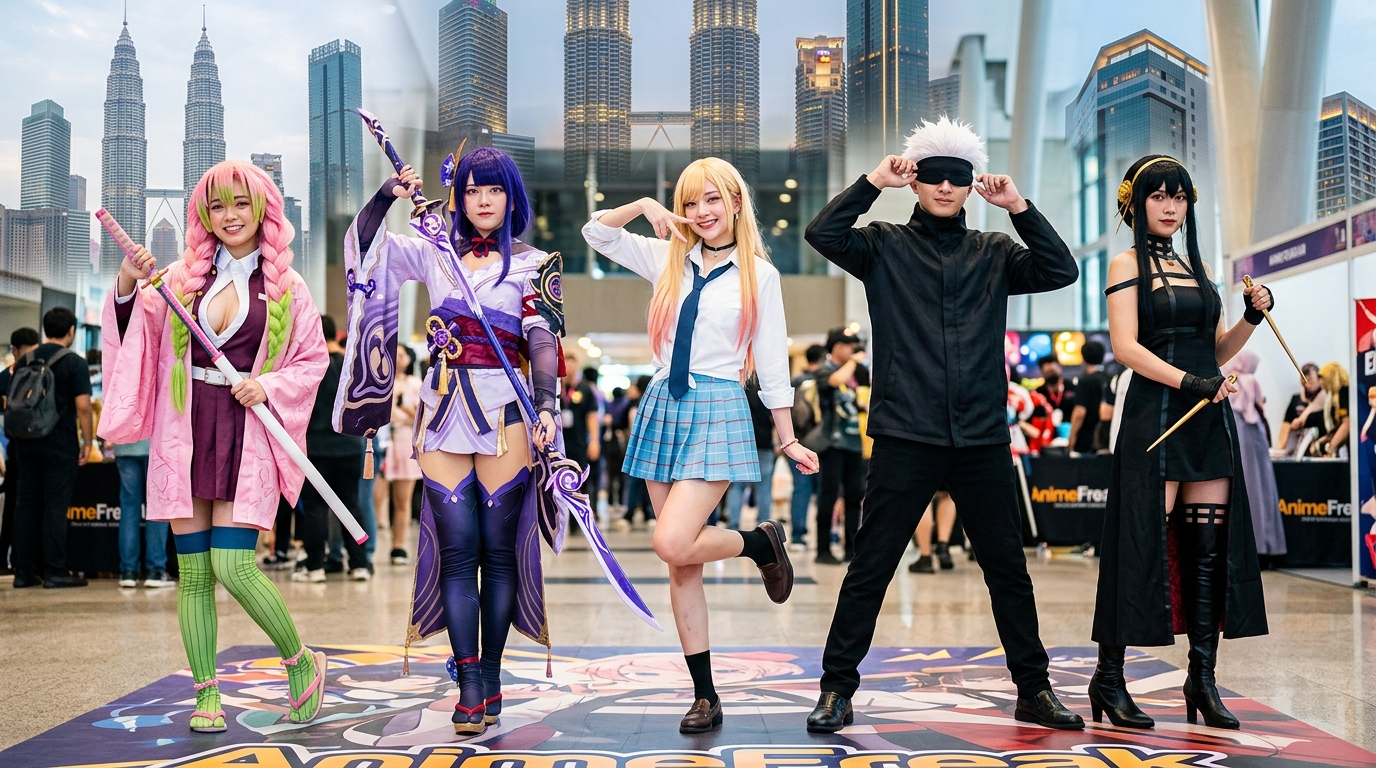
Malaysia’s cosplay scene has grown from small gatherings at shopping malls to massive conventions drawing thousands of fans. The country now boasts some of the region’s most skilled costume creators and performers who dedicate months to perfecting a single outfit. These artists don’t just wear costumes. They embody characters through meticulous craftsmanship, makeup artistry, and performance skills that rival international standards.
Malaysian cosplayers combine traditional crafting techniques with modern materials to create award-winning costumes. The local scene thrives through social media platforms, regular conventions, and a supportive community that shares skills and resources. From armour fabrication to wig styling, these creators demonstrate world-class talent whilst maintaining their unique cultural perspective on beloved characters from anime, games, and comics.
What makes Malaysian cosplayers unique
The local cosplay community brings something special to the craft. Many creators incorporate batik patterns into fantasy armour or use traditional embroidery techniques for intricate costume details. This fusion creates looks you won’t find anywhere else.
Budget consciousness drives innovation here. With imported materials costing significantly more due to shipping and customs, Malaysian cosplayers have become experts at finding local alternatives. EVA foam from hardware stores becomes elaborate armour. Fabric remnants from Jalan Masjid India transform into flowing capes and detailed garments.
The tropical climate presents unique challenges too. Wearing heavy costumes in 30-degree heat with high humidity requires serious dedication. You’ll often see cosplayers carrying portable fans, cooling towels, and staying near air-conditioned areas between photo sessions.
Building a costume from scratch
Creating a cosplay outfit involves multiple stages. Here’s how most Malaysian cosplayers approach a new project:
- Choose your character and gather reference images from every angle possible
- Break down the costume into components (armour pieces, fabric sections, accessories, props)
- Create a budget and timeline, typically 2-6 months for complex builds
- Source materials from local shops, online suppliers, or repurpose existing items
- Pattern and prototype each piece, making adjustments before final construction
- Assemble everything, then test wear to identify comfort issues
- Style wigs, apply weathering effects, and add final details
- Practice posing and character mannerisms before the event
The process requires patience. Rushing leads to visible mistakes that photographs will highlight mercilessly.
Most beginners start with simpler characters featuring everyday clothing with minor modifications. A school uniform from your favourite slice-of-life anime makes an excellent first project. You learn basic sewing and styling without the pressure of crafting armour or complex props.
Essential skills every cosplayer develops
Beyond sewing, the hobby teaches numerous practical abilities:
- Pattern drafting and modification for custom fits
- Foam fabrication for armour and prop weapons
- Wig styling including cutting, heat styling, and colour blending
- Makeup application for both natural and theatrical looks
- Photography posing and working with photographers
- Time management when juggling builds with work or studies
- Budget planning to maximize results with limited funds
- Problem solving when materials don’t behave as expected
The community aspect accelerates learning. Experienced creators regularly share tutorials on Facebook groups and Instagram stories. Workshop sessions at conventions let you watch experts demonstrate techniques in person.
Many cosplayers specialize over time. Some focus on sewing elaborate gowns. Others master thermoplastics for sci-fi armour. A few become known for extreme makeup transformations or performance skills that win stage competitions.
Where to find Malaysian cosplayers
Social media platforms serve as the primary showcase for local talent. Instagram remains the most popular, with cosplayers posting photoshoot results, work-in-progress updates, and behind-the-scenes content. TikTok has grown rapidly for sharing transformation videos and convention moments.
Facebook groups still function as community hubs. Members ask for material recommendations, seek collaboration partners, and organize informal meetups. The groups also serve as marketplaces where cosplayers sell old costumes or unused materials.
Physical events bring everyone together. Comic Fiesta, held annually in Kuala Lumpur, attracts thousands of attendees with elaborate cosplay competitions and dedicated photography areas. Anime Fest, CF Shah Alam, and smaller regional events provide additional opportunities throughout the year.
Shopping districts like Jalan Tar and Masjid India in KL become regular haunts. Fabric stores there stock materials perfect for costume creation at reasonable prices. Staff members have learned to recognize cosplayers and often provide helpful suggestions.
Common mistakes and how to avoid them
| Mistake | Why it happens | Better approach |
|---|---|---|
| Starting with complex armoured characters | Excitement overrides realistic skill assessment | Begin with fabric-based costumes to learn fundamentals |
| Buying all materials at once | Fear of items going out of stock | Purchase in stages as you complete each component |
| Skipping test fittings | Time pressure and overconfidence | Try on pieces regularly during construction |
| Ignoring ventilation in props | Focus on appearance over comfort | Plan airflow and cooling from the design stage |
| Using contact lenses without practice | Last-minute costume completion | Wear them multiple times before the event |
| Forgetting repair supplies | Assuming everything will hold together | Pack hot glue, safety pins, thread, and fabric tape |
The most expensive mistake involves choosing the wrong base materials. That cheap fabric might look fine in the store but photographs terribly under convention lighting. Experienced cosplayers invest in better quality materials for visible sections whilst economizing on hidden structural components.
Weather poses another challenge. Outdoor photoshoots during monsoon season require waterproofing considerations. Some materials warp or lose colour when wet. Always check forecasts and have backup plans.
Learning from the community
“The Malaysian cosplay scene taught me more than just costume construction. I learned photography, video editing, small business management, and gained friends across the country. Starting felt intimidating, but everyone remembers being a beginner. People genuinely want to help you succeed.” — Veteran cosplayer with 8 years experience
This supportive environment distinguishes the local scene. Competition exists, particularly at championship events, but most cosplayers celebrate each other’s achievements. Seeing someone nail a difficult technique inspires others to attempt it.
Skill sharing happens organically. A cosplayer posts about struggling with a specific technique. Within hours, multiple people offer advice, video tutorials, or even in-person help. This collective knowledge base grows constantly.
Collaborations produce stunning results. Group cosplays from the same series create impressive visual impact at conventions. Photographers and cosplayers team up for elaborate photoshoots at scenic locations around Malaysia. These partnerships often evolve into lasting friendships.
Managing costs without compromising quality
Cosplay can become expensive, but smart planning keeps budgets reasonable. Many Malaysian cosplayers spend between RM200 to RM800 per costume, though elaborate builds might reach RM2000 or more.
Thrift stores and second-hand shops provide excellent base garments. A RM15 blazer becomes part of a school uniform cosplay with minimal modification. Old boots transform with paint and added details.
Sharing resources stretches budgets further. Groups of friends split the cost of large material orders to meet minimum purchase requirements and save on shipping. Tools like heat guns and rotary cutters get borrowed rather than everyone buying their own.
Timing purchases around sales makes a difference. Fabric stores often discount remnants and discontinued patterns. Craft supply shops run promotions during festival seasons. Following these stores on social media alerts you to deals.
Some cosplayers offset costs by offering commission work. After mastering certain skills, they create costumes or props for others. This turns the hobby into a side income whilst building their portfolio.
Photography and presentation
A well-made costume deserves quality documentation. Most cosplayers collaborate with photographers who understand the hobby. These photographers know how to capture costumes in flattering angles and lighting that highlights details.
Location scouting enhances photos significantly. An urban fantasy character looks better against graffiti walls or modern architecture. Period costumes suit historical buildings or natural settings. Some popular spots around Klang Valley include Putrajaya’s architecture, FRIM’s forest paths, and various abandoned buildings (with proper permission).
Posing makes or breaks a photo. Study your character’s personality and typical stances. Practice in front of a mirror. Dynamic poses with movement look more engaging than static standing shots. Bring reference images to photoshoots so photographers understand the character.
Editing polishes the final result. Basic adjustments to brightness, contrast, and colour balance make costumes pop. Some cosplayers learn editing themselves. Others trade costumes or props for an editor’s services.
Social media posting strategy matters for building a following. Consistent uploads keep audiences engaged. Behind-the-scenes content showing construction processes often gets more interaction than finished photos. Stories and reels capture casual convention moments that feel authentic.
Conventions and competitions
Events provide goals that motivate completion of projects. Knowing you want to wear a costume to Comic Fiesta in December helps maintain momentum through months of construction.
Competition categories range from beginner-friendly novice divisions to championship levels requiring performance elements. Judges evaluate craftsmanship, accuracy to source material, presentation, and performance. Winning brings recognition within the community plus prizes like cash, sponsored materials, or convention passes.
Stage presence separates good competitors from champions. A 60-90 second performance must convey character personality, showcase costume details, and entertain the audience. Music selection, choreography, and even small props contribute to the overall impact.
Pre-judging happens backstage where judges examine construction techniques up close. They check seam quality, paint application, and structural integrity. This portion often weighs as heavily as the stage performance.
Not everyone competes. Many cosplayers attend purely for the social experience, photoshoots, and shopping at vendor booths. There’s no pressure to enter competitions unless you want that challenge.
Safety considerations
Costume construction involves tools and materials that require caution. Heat guns reach temperatures that cause serious burns. Craft knives slip and cut fingers. Spray paints contain fumes needing proper ventilation.
Convention safety matters too. Long wigs obstruct peripheral vision. Elaborate props make navigating crowds difficult. High heels or platform boots on slippery convention centre floors risk ankle injuries.
Prop weapons must follow event rules. Most conventions require peace bonding (visible tags showing staff approved the prop). Sharp edges need covering. Projectile functions must be disabled. Check specific event guidelines before bringing any weapon props.
Health concerns include dehydration from wearing heavy costumes in warm venues. Heat exhaustion symptoms include dizziness, nausea, and confusion. Take regular breaks. Remove heavy pieces when possible. Drink water even if you don’t feel thirsty.
Contact lenses require special care. Never share them. Follow wearing time limits. Bring solution and cases. Remove them immediately if eyes become painful or vision blurs.
Growing your skills over time
Improvement comes from challenging yourself with each new project. That first costume might use simple techniques and basic materials. The fifth might incorporate LED lighting, advanced makeup prosthetics, or complex prop engineering.
Documenting progress helps track development. Photos of early costumes compared to recent work show how far you’ve come. This visual record also helps when applying for sponsored partnerships or commission opportunities.
Taking workshops accelerates learning. Convention programming often includes panels on specific techniques. Some cosplayers offer paid classes covering topics like wig styling, armour painting, or pattern drafting. The structured learning environment helps avoid developing bad habits.
Experimenting with different character types expands your skill set. Trying a mecha costume after mostly creating flowing gowns teaches new fabrication methods. A creature cosplay with extensive prosthetics develops makeup abilities.
Feedback from the community guides improvement. Posting work-in-progress photos and asking for suggestions usually generates helpful responses. Convention judges often provide written critiques explaining scoring decisions.
Turning passion into opportunities
The skills developed through cosplay transfer to professional contexts. Costume construction knowledge applies to theatre, film, and television production. Photography and editing abilities open freelance possibilities. Social media management experience gained from building a cosplay account translates to marketing roles.
Some Malaysian cosplayers become brand ambassadors for gaming companies, anime distributors, or geek culture retailers. These partnerships involve appearing at promotional events, creating sponsored content, or representing brands at conventions.
Teaching others creates another avenue. Experienced cosplayers offer private lessons, group workshops, or online courses. The teaching process reinforces your own understanding whilst helping newcomers avoid common pitfalls.
Content creation on YouTube or TikTok can generate income through ad revenue and sponsorships. Tutorial videos, convention vlogs, and costume showcases attract audiences interested in the hobby. Consistency and quality matter more than expensive equipment when starting out.
Your journey starts with one costume
Every expert cosplayer you admire started exactly where you are now. They made mistakes, learned from them, and kept improving. The Malaysian cosplay community welcomes newcomers enthusiastically.
Pick a character you genuinely love. That passion sustains you through challenging construction moments. Start simple. Master basic techniques before attempting advanced builds. Ask questions in community groups. Attend a local convention to see everything in person.
Your first costume won’t be perfect. That’s completely normal and expected. What matters is finishing it, wearing it proudly, and learning what to improve next time. The friendships you’ll form and skills you’ll develop make every hour of hot glue burns and hand-sewing worth the effort.