
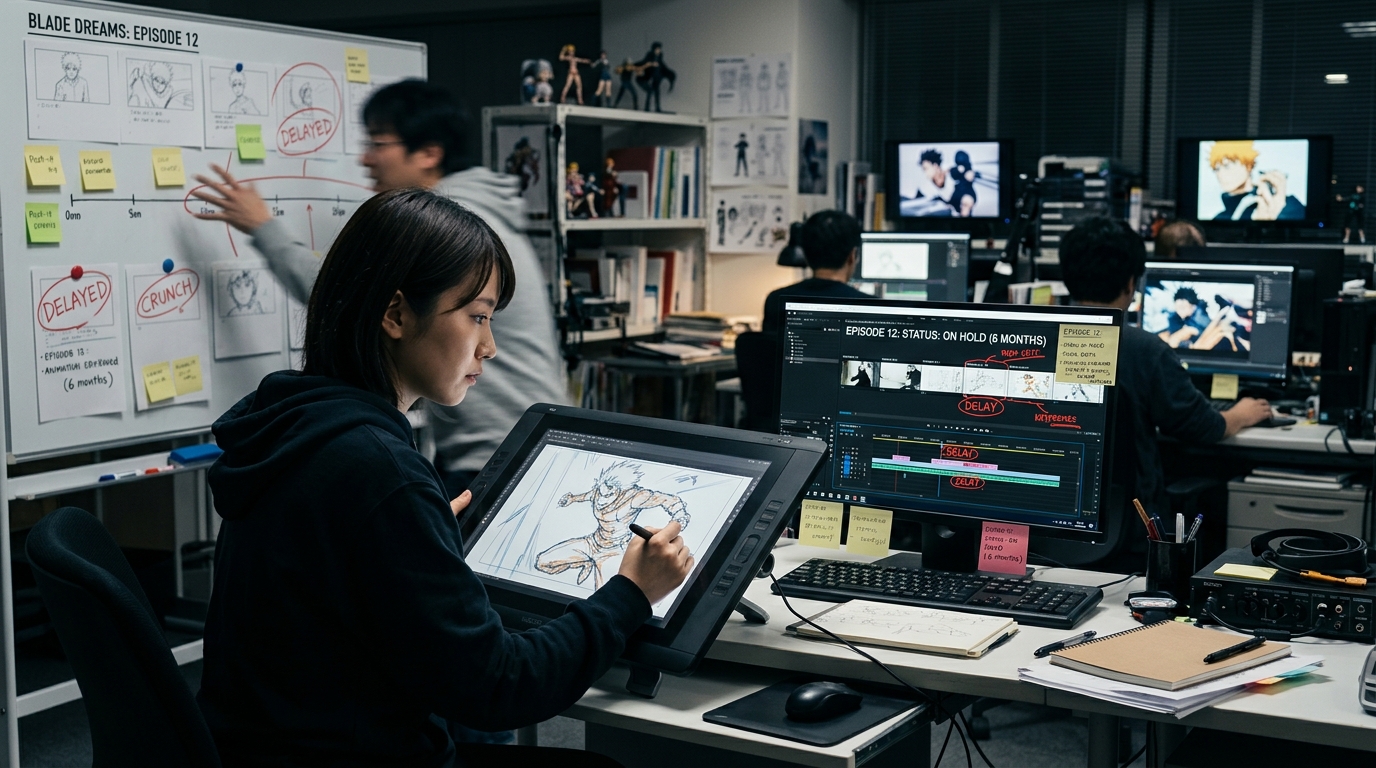
You’ve been counting down the days to watch the next episode of your favourite anime. The date arrives, you open your streaming app, and instead of a new episode, you see an announcement: delayed by six months. Frustrating, right? But what actually happens behind the scenes that forces studios to push back release dates?
Anime delays stem from production bottlenecks, staff shortages, budget constraints, and quality control issues. Studios often underestimate the time needed for animation, and unexpected problems like [COVID-19 outbreaks](https://www.who.int/emergencies/diseases/novel-coronavirus-2019) or natural disasters compound scheduling conflicts. Understanding these challenges helps fans appreciate the complex process behind bringing animated stories to life and explains why postponements happen more frequently than in other entertainment industries.
The Production Pipeline Breaks Down
Animation production follows a strict timeline. Each episode requires months of work before it reaches your screen.
The process starts with scriptwriting, then moves to storyboarding, key animation, in-between animation, colouring, voice recording, and final editing. When one stage falls behind, every subsequent stage gets pushed back.
Studios typically work on multiple episodes simultaneously. Episode one might be in final editing whilst episode five is still in the storyboarding phase. This parallel workflow means a delay in one episode creates a domino effect across the entire season.
Japanese animation studios operate on notoriously tight schedules. Many series begin airing before all episodes are complete. This approach, called “broadcasting whilst producing,” leaves no buffer time for unexpected problems.
When animators fall behind by even a few days, the gap between production and broadcast narrows dangerously. Eventually, the studio runs out of completed episodes and must announce a delay.
Staff Shortages Hit Hard
The anime industry faces a severe shortage of skilled animators. Experienced key animators can work on multiple projects simultaneously, making them highly sought after.
When a popular animator commits to several projects at once, scheduling conflicts become inevitable. If they fall behind on one project, all their other commitments suffer.
Young animators entering the industry often leave within a few years due to low pay and exhausting work conditions. This constant turnover means studios struggle to maintain consistent production teams.
Smaller studios rely heavily on freelance animators who juggle multiple contracts. If a freelancer gets sick or overcommitted, the studio must scramble to find replacements, which delays the entire production.
“The biggest challenge isn’t finding animators. It’s finding animators who can maintain quality whilst meeting deadlines. We’d rather delay a release than deliver subpar work that disappoints fans.” – Production manager at a mid-sized animation studio
Budget Problems Create Roadblocks
Anime production costs continue rising, but budgets don’t always keep pace. Studios sometimes start projects without securing full funding, hoping additional sponsors will join later.
When expected funding falls through, production slows or stops entirely. The studio must either find new investors or reduce the scope of the project, both of which take time.
Some delays happen because committees decide to increase budgets mid-production. This sounds positive, but additional funding often comes with new requirements: more episodes, higher quality standards, or expanded merchandise tie-ins.
These changes require reworking already-completed material. Animators must redo scenes to match new quality standards, extending the production timeline significantly.
Quality Control Takes Priority
Studios face intense pressure to deliver visually impressive content. Fans immediately notice animation quality drops, and social media amplifies criticism within hours of an episode airing.
When directors review rough cuts and find the quality insufficient, they order revisions. These quality checks happen multiple times throughout production, and each revision cycle adds weeks to the schedule.
Certain anime genres demand exceptionally detailed animation. Action series with complex fight choreography require more key frames and careful timing. Fantasy series with elaborate magical effects need extensive digital compositing work.
If the initial animation doesn’t meet expectations, the entire sequence gets redrawn. This perfectionism improves the final product but frequently causes delays.
External Factors Disrupt Schedules
Natural disasters, health crises, and equipment failures create unpredictable delays. The COVID-19 pandemic forced many studios to implement remote work policies, slowing production significantly.
Recording voice actors became complicated when studios had to limit the number of people in recording booths. Scenes featuring multiple characters required separate recording sessions that were later edited together, doubling the time needed.
Earthquakes, typhoons, and other natural disasters occasionally damage studio equipment or force temporary closures. Even a few days of lost production time can be impossible to recover given the tight schedules.
Supply chain disruptions affect anime production too. Delays in receiving animation software updates, hardware replacements, or even basic office supplies can halt work unexpectedly.
Common Delay Causes Breakdown
| Cause | Typical Delay Length | Prevention Difficulty |
|---|---|---|
| Key animator shortage | 2-4 weeks | High |
| Quality revision requests | 3-6 weeks | Medium |
| Budget renegotiation | 1-3 months | Medium |
| Voice actor scheduling | 1-2 weeks | Low |
| Natural disasters | 1-6 weeks | Very High |
| Software/technical issues | 1-2 weeks | Low |
| COVID-19 outbreaks | 2-8 weeks | High |
| Storyboard approval delays | 2-4 weeks | Medium |
Licensing and Broadcast Conflicts
Television networks have rigid broadcast schedules. If an anime misses its delivery deadline, the network might not have an available time slot for weeks or months.
International licensing adds another layer of complexity. When anime gets simultaneous worldwide releases, delays in one region can force delays everywhere to maintain coordinated launches.
Merchandise tie-ins create additional pressure. Toy manufacturers, game developers, and other partners plan product releases around anime broadcast dates. Delaying the anime means coordinating new dates with multiple companies, which takes considerable time.
Some delays happen because broadcast networks request changes to content. If an episode contains material deemed inappropriate or sensitive, the studio must revise scenes before the network approves broadcast.
How Studios Communicate Delays
Most studios announce delays through official Twitter accounts and website notices. The announcements typically cite “production reasons” without specific details.
Vague explanations frustrate fans, but studios avoid specifics to protect business relationships and staff privacy. Blaming specific individuals or companies could damage professional reputations and future collaboration opportunities.
Three common delay patterns emerge:
- Single episode delays: The studio pushes back one episode by a week, often airing a recap episode or special content instead.
- Mid-season breaks: Production halts for several weeks, then resumes with the remaining episodes.
- Complete postponements: The entire series gets rescheduled to a later season, sometimes six months or more away.
Single episode delays usually indicate minor problems that the studio can resolve whilst continuing work on future episodes. Mid-season breaks suggest more serious production bottlenecks requiring time to rebuild buffer episodes. Complete postponements often mean fundamental problems with funding, staffing, or creative direction.
The Streaming Era Changes Everything
Streaming platforms like Netflix and Crunchyroll have altered production dynamics. Some platforms prefer releasing entire seasons at once rather than weekly episodes.
This “batch release” model gives studios more time to complete production before anything airs. However, it also creates pressure to finish entire seasons by specific dates, with no flexibility for partial releases.
Weekly release schedules, whilst stressful, allow studios to gauge audience reactions and occasionally adjust later episodes based on feedback. Batch releases eliminate this flexibility but reduce the risk of mid-season delays.
International audiences now expect simultaneous releases with Japan. This means subtitles, dubbing, and localization must happen alongside Japanese production, adding coordination challenges that didn’t exist when international releases happened months or years later.
When Delays Actually Help
Not all delays harm the final product. Some of anime’s most beloved series benefited from production delays that allowed creators to refine their vision.
Studios that delay early, before broadcasting begins, can adjust their entire production schedule rather than scrambling to meet weekly deadlines. This proactive approach often results in more consistent animation quality throughout the series.
Fans generally prefer delayed releases over rushed episodes with poor animation. The backlash against low-quality episodes can damage a series’ reputation permanently, whilst delays are usually forgotten once the improved episodes finally air.
Some studios deliberately build buffer time into their schedules, planning for potential problems. These studios experience fewer emergency delays because they’ve already accounted for typical production challenges.
What Fans Can Actually Do
Understanding why delays happen doesn’t make waiting easier, but it does provide perspective. Studios rarely delay projects without good reasons, as delays cost money and disappoint audiences.
Supporting official releases through legal streaming subscriptions helps ensure studios receive adequate funding for future projects. Better funding means studios can hire more staff and maintain healthier production schedules.
Patient, constructive feedback matters more than angry complaints. Studios monitor social media reactions, and thoughtful comments about what fans appreciate help guide production priorities.
Realistic expectations help too. If a series announces ambitious animation goals or complex storytelling, delays become more likely. Recognizing the relationship between ambition and production time makes delays less surprising.
Why These Challenges Persist
The anime industry’s fundamental structure makes delays almost inevitable. Production committees, tight budgets, and aggressive schedules create an environment where problems compound rapidly.
Until the industry addresses systemic issues like animator pay, working conditions, and realistic scheduling, delays will continue affecting even highly anticipated series. Some studios are experimenting with longer pre-production periods and more conservative broadcast commitments, but change happens slowly.
The global popularity of anime increases pressure on studios to produce more content faster. This growing demand strains an already stressed production system, making delays more frequent rather than less.
Technology improvements help somewhat. Digital animation tools speed up certain processes, and remote collaboration software makes coordinating distributed teams easier. However, the core creative work still requires skilled humans working carefully, which takes time regardless of technological advances.
Understanding Makes the Wait Worthwhile
Delays frustrate everyone involved. Fans wait longer for content they’re excited about, and studios face financial pressure and reputation concerns. Nobody wants delays to happen.
Recognizing the complex production realities behind anime helps fans appreciate the incredible work that goes into every episode. Hundreds of people spend months bringing these stories to life under challenging conditions.
The next time your favourite series gets delayed, remember that the decision likely came after exhausting all other options. Studios delay releases to protect the quality you expect, ensuring the final product lives up to both their standards and yours. That extra wait almost always results in better animation, stronger storytelling, and an experience worth the patience it required.