
Studio MAPPA has become one of anime’s most talked about production houses, but not always for the right reasons. Behind blockbuster titles like Jujutsu Kaisen and Attack on Titan’s final season lies a darker story about overworked staff, impossible deadlines, and an industry pushed to breaking point.
The MAPPA production controversy centres on reports of animator burnout, unpaid overtime, and unsustainable production schedules. Multiple staff members have spoken out about harsh working conditions, sparking wider conversations about systemic problems in anime production. This controversy is forcing the industry to confront long-standing labour issues and consider meaningful reforms to protect creative talent.
What Sparked the MAPPA Production Controversy
The controversy didn’t emerge overnight. It built gradually as animators began sharing their experiences on social media and industry forums.
In 2021, several MAPPA animators tweeted about exhausting work schedules during Attack on Titan: The Final Season’s production. Some reported working 20-hour days with minimal breaks. Others mentioned sleeping at the studio because going home wasn’t practical.
The situation intensified during Jujutsu Kaisen Season 2’s production in 2023. Anonymous staff reports described a “death march” schedule where animators were expected to produce finished cuts in impossibly short timeframes.
One particularly damning report came from a freelance animator who worked on multiple MAPPA projects. They described receiving key animation assignments with less than 24 hours to complete complex action sequences that would normally require several days.
These weren’t isolated complaints. They represented a pattern that many industry insiders had witnessed but rarely discussed publicly.
The Social Media Tipping Point
Twitter became the primary platform where animators shared their struggles. Japanese animators used hashtags to document their experiences, while international staff posted in English, reaching global audiences.
The posts weren’t inflammatory or exaggerated. They were matter-of-fact descriptions of daily reality: skipped meals, cancelled plans, health problems, and creative compromises forced by time constraints.
What made these revelations powerful was their consistency. Different people working on different projects described remarkably similar conditions.
Fans noticed the quality fluctuations too. Certain episodes showed rushed animation, off-model characters, and simplified backgrounds that contrasted sharply with MAPPA’s usual standards.
Understanding the Root Causes
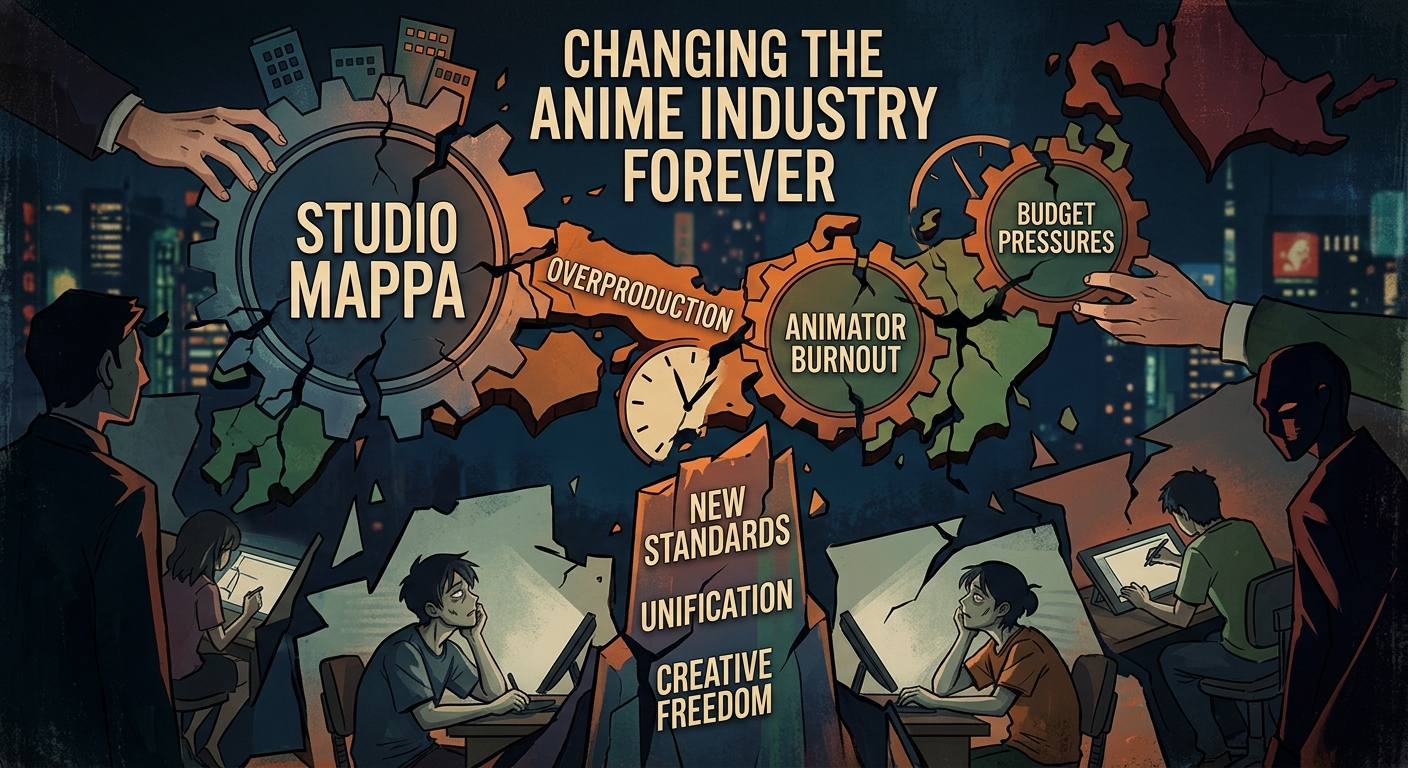
The MAPPA production controversy isn’t just about one studio’s management decisions. It reflects deeper structural problems in how anime gets made.
Anime production operates on tight budgets and tighter schedules. A typical TV anime episode costs between 10 to 20 million yen to produce, but the production committee model means studios often receive only a fraction of that budget.
MAPPA’s business strategy involves taking on high-profile projects that other studios might refuse due to scheduling concerns. This approach has delivered commercial success but at a significant human cost.
“The problem isn’t that MAPPA is uniquely bad. The problem is that MAPPA is doing what many studios do, but they’re doing it at a larger scale and with more visible projects. That makes the cracks more obvious.” – Industry analyst observing production trends
Three factors combine to create unsustainable working conditions:
- Compressed production schedules that leave insufficient time for pre-production planning
- Understaffing because qualified animators are in short supply across the entire industry
- Contract structures that pay animators per cut rather than per hour, incentivising speed over sustainability
The table below shows how production timelines have compressed over the past decade:
| Production Phase | 2010s Average | Current MAPPA Projects | Industry Impact |
|---|---|---|---|
| Pre-production | 6-8 months | 3-4 months | Less planning time |
| Per-episode schedule | 3-4 weeks | 1.5-2 weeks | Constant crunch |
| Key animation deadline | 5-7 days | 1-3 days | Quality compromises |
| Revision time | 2-3 days | Few hours | Errors slip through |
How Animators Are Affected
The human impact extends far beyond missed deadlines and tired staff. Animators face genuine health risks from sustained overwork.
Physical problems include repetitive strain injuries, eye strain, back pain, and chronic fatigue. Mental health issues like anxiety and depression are common but rarely discussed openly due to workplace culture.
Many animators are young, in their twenties or early thirties. They entered the industry passionate about animation but find themselves questioning whether they can sustain this career long-term.
Financial stress compounds these problems. Entry-level animators in Japan often earn less than 1.5 million yen annually, below the poverty line in major cities like Tokyo. Working more hours doesn’t necessarily mean earning more money under the per-cut payment system.
The Talent Drain Problem
Experienced animators are leaving the industry or moving to other countries where working conditions are better. Some transition to game development, where salaries are higher and schedules more predictable.
This creates a vicious cycle. As experienced staff leave, remaining animators must handle more complex work without adequate mentorship. Quality suffers, schedules slip further, and pressure intensifies.
International studios in China, South Korea, and increasingly Southeast Asian countries are actively recruiting Japanese animators with better pay and working conditions. Malaysia’s growing animation sector, for instance, offers competitive salaries and more reasonable work-life balance.
The Production Committee System’s Role
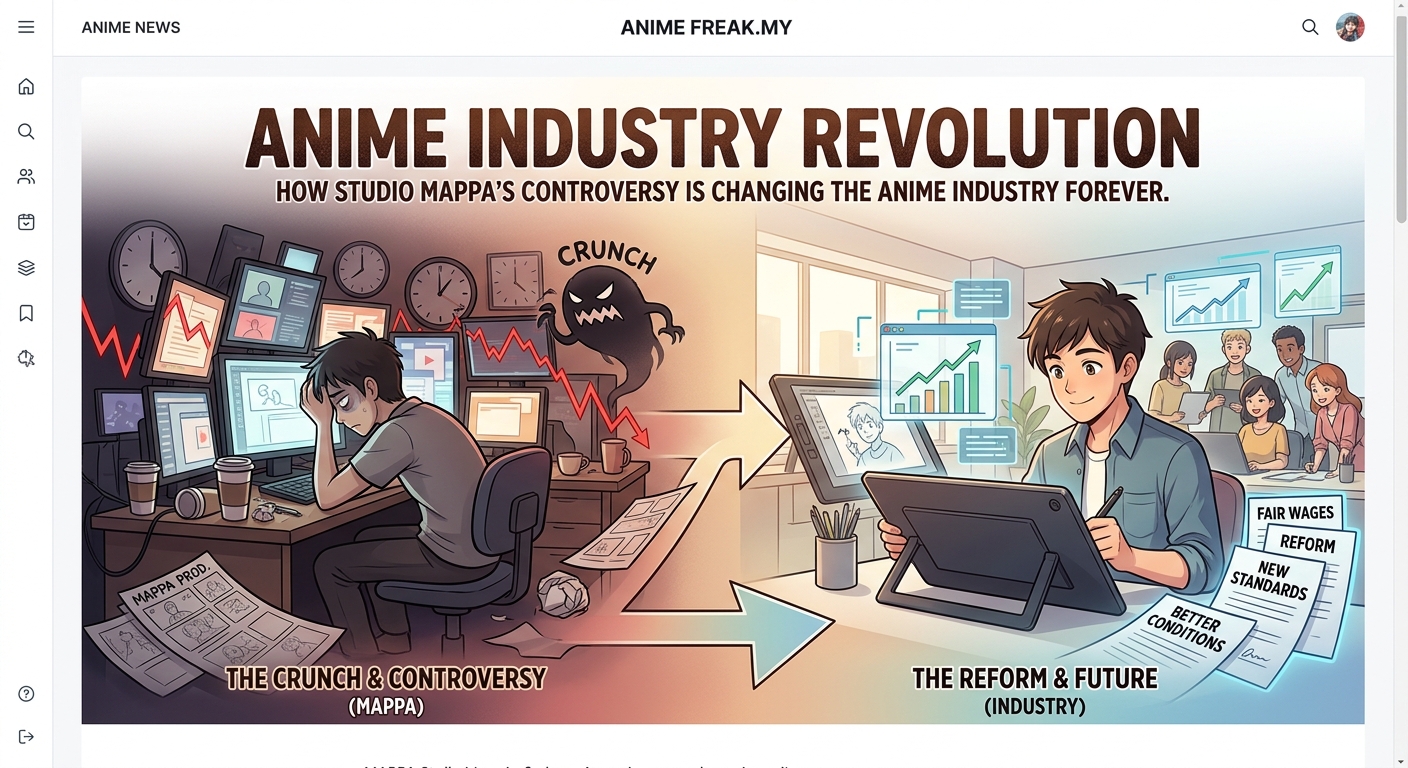
Understanding the MAPPA production controversy requires understanding how anime financing works.
Most anime projects aren’t funded by studios alone. Instead, a production committee comprising publishers, broadcasters, merchandise companies, and music labels pools resources and shares risk.
Studios like MAPPA are often contractors hired by these committees. They receive a fixed fee to produce the anime, regardless of how successful it becomes commercially.
This system creates perverse incentives:
- Studios have little financial upside from a hit show
- Committees pressure studios to minimize costs and maximize output
- Studios compete by accepting tighter deadlines and lower budgets
- Individual workers bear the consequences through overwork
MAPPA’s strategy of pursuing high-profile projects means working with powerful committees that have significant leverage. Saying no to unreasonable demands risks losing future opportunities.
Some industry observers argue that MAPPA’s management should push back harder against unrealistic expectations. Others point out that the entire financing model needs reform before individual studios can meaningfully improve conditions.
What MAPPA Has Said Publicly
MAPPA’s official responses to the controversy have been limited and carefully worded.
In 2022, the studio released a statement acknowledging “challenging production schedules” and promising to “review internal processes.” The statement emphasized MAPPA’s commitment to quality and its appreciation for staff efforts.
Critics noted that the statement didn’t address specific complaints about working hours, compensation, or health impacts. It also didn’t announce concrete policy changes or timelines for improvement.
Studio president Manabu Otsuka gave an interview in 2023 where he discussed the difficulties of balancing commercial demands with staff welfare. He acknowledged that the industry faces systemic problems but stopped short of committing to specific reforms.
Some MAPPA staff have privately indicated that management is aware of the problems and genuinely wants to improve conditions. However, they face constraints from production committees and market competition that limit their options.
The gap between public statements and animator experiences has fueled skepticism about whether meaningful change is coming.
Industry-Wide Responses and Changes
The MAPPA production controversy has catalyzed broader conversations about anime industry labour practices.
The Japan Animation Creators Association (JAniCA) has become more vocal about working conditions. They’ve published surveys documenting low wages and long hours across multiple studios, not just MAPPA.
Some studios have announced policy changes:
- Implementing minimum hourly wages for in-house animators
- Setting maximum monthly overtime limits
- Providing health insurance and other benefits to freelancers
- Extending production schedules to allow more preparation time
Whether these changes represent genuine reform or public relations responses remains unclear. Implementation and enforcement will determine their real impact.
International attention has also played a role. Western anime distributors like Crunchyroll and Netflix have faced questions about their responsibility when licensing shows produced under exploitative conditions.
Union Organizing Efforts
Traditionally, anime production has lacked strong labour organization. Most animators work as freelancers, making collective bargaining difficult.
Recent years have seen tentative steps toward organizing. Informal networks of animators share information about which studios offer better conditions. Some groups are exploring formal union structures, though progress is slow.
The challenge is that animation work is highly mobile. Animators often work for multiple studios simultaneously as freelancers, complicating traditional union models based on single-employer relationships.
What Fans Can Do
Anime fans watching this controversy unfold often ask how they can help. Several approaches can make a difference.
Supporting official releases rather than piracy ensures some money flows back to the industry. While studios may not see much direct benefit under current structures, legal viewing helps justify better budgets overall.
Being vocal about supporting better working conditions matters. When fans make it clear they care about how anime gets made, not just the final product, it creates pressure for change.
Avoiding harassment of individual staff members or studios is crucial. The problems are systemic, not the fault of specific animators or even specific managers. Constructive criticism works better than angry attacks.
Following and amplifying animator voices on social media helps their concerns reach wider audiences. Many animators share insights about their work when they feel supported rather than attacked.
Adjusting Expectations
Fans can also reconsider what they demand from anime production. Expecting flawless animation every single episode of every show contributes to unsustainable pressure.
Understanding that production delays might actually indicate healthier working conditions helps shift the conversation. A delayed episode is better than an animator suffering health problems.
Appreciating different animation styles and techniques, rather than demanding specific aesthetics, gives studios more creative flexibility to work within their constraints.
Comparing MAPPA to Other Studios
MAPPA isn’t the only studio facing these issues, but it has become the most visible example.
Studio Wit, which previously handled Attack on Titan, reportedly declined to continue the series partly due to scheduling concerns. Their decision to prioritize staff welfare over a prestigious project was noteworthy.
Kyoto Animation operates differently from most studios. They employ animators as full-time staff with salaries and benefits, rather than relying on freelancers. Their production schedules are more generous, allowing higher quality and better working conditions.
However, KyoAni’s model works partly because they produce fewer shows and have built financial independence through successful franchises. Not every studio can replicate this approach.
Studio Bones has a reputation for relatively better working conditions, though they’re not immune to crunch periods. Their approach involves more selective project choices and longer pre-production phases.
| Studio | Employment Model | Typical Schedule | Animator Reports |
|---|---|---|---|
| MAPPA | Mostly freelance | Compressed | Frequently negative |
| Kyoto Animation | Full-time staff | Generous | Generally positive |
| Bones | Mixed model | Moderate | Mixed feedback |
| Wit Studio | Mostly freelance | Variable | Improving recently |
Long-Term Industry Implications
The MAPPA production controversy may mark a turning point for anime production practices.
Younger animators are less willing to accept poor conditions silently than previous generations. They’re more comfortable using social media to share experiences and organize collectively.
International competition for talent is intensifying. Japanese studios that don’t improve conditions risk losing their best animators to opportunities abroad.
Streaming platforms changing the anime business model could eventually help. If studios can negotiate better deals with services like Netflix or Crunchyroll, they might gain more financial flexibility to improve working conditions.
However, change won’t happen automatically. It requires sustained pressure from multiple directions: animators organizing, fans demanding better practices, and companies recognizing that current models aren’t sustainable.
The controversy has already shifted public discourse. Working conditions are now part of mainstream anime conversation, not just insider knowledge. That visibility creates accountability.
Why This Matters Beyond Anime
The MAPPA production controversy reflects broader issues in creative industries worldwide.
Game developers face similar crunch culture problems. Visual effects artists in film work under comparable pressure. The structural issues transcend any single medium.
The question is whether creative work requires exploitation, or whether that’s just how industries have organized themselves historically. Evidence suggests the latter.
Companies that treat creative workers well can still produce excellent work and remain profitable. It requires different business models and longer time horizons, but it’s possible.
What happens in anime production could influence other creative industries. If animators successfully push for better conditions, it might inspire similar movements elsewhere.
Moving Forward From Here
The MAPPA production controversy isn’t resolved. It’s an ongoing situation that will develop over months and years.
Some signs point toward gradual improvement. More studios are acknowledging problems publicly. Industry organizations are gathering data and proposing solutions. International partners are asking more questions about production conditions.
Other signs suggest entrenched resistance to change. The production committee system remains dominant. Budget pressures continue intensifying as more anime competes for audience attention. Studios still compete partly by accepting difficult conditions.
What’s certain is that the conversation has shifted permanently. The days when these issues stayed hidden behind studio doors are over.
Animators have found their voice. Fans have started listening. The industry can’t ignore these concerns anymore without facing consequences.
Real change requires sustained effort from everyone involved. Animators need to keep organizing and speaking out. Fans need to support better practices with their viewing choices and voices. Companies need to recognize that exploiting workers isn’t a sustainable business strategy.
The anime you love doesn’t require animator suffering to exist. Better working conditions can coexist with creative excellence. Getting there requires believing it’s possible and working toward it consistently.
The MAPPA production controversy has opened a door. What happens next depends on whether the industry walks through it or tries to close it again. Based on the energy and determination of animators speaking out, that door isn’t closing anytime soon.