
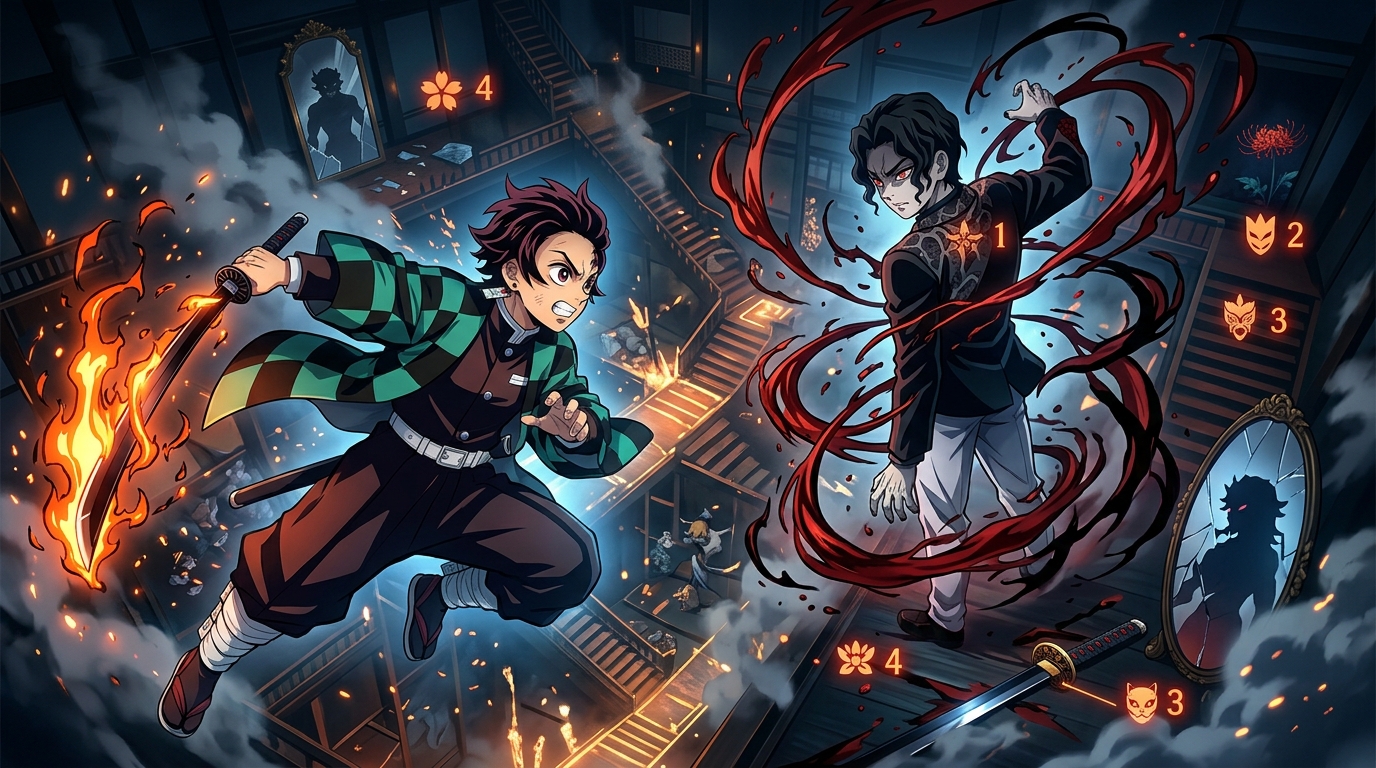
The Demon Slayer season finale delivered breathtaking action and emotional payoffs that left fans reeling. But beneath the surface of those spectacular battles and tearful goodbyes lies a treasure trove of carefully crafted details that most viewers missed on their first watch. These hidden elements add layers of meaning to the story, connect back to earlier moments, and reveal the incredible attention to detail that makes this anime so special.
The Demon Slayer season finale contains numerous hidden details including symbolic animation choices, background character connections, subtle foreshadowing elements, musical callbacks, and visual references to earlier episodes. These carefully placed Easter eggs reward attentive viewers who take time to analyse each scene. Understanding these details enriches the viewing experience and reveals the depth of storytelling woven throughout the series by the production team.
Animation Techniques That Tell Hidden Stories
Ufotable’s animation team embedded storytelling clues directly into their visual choices. Watch Tanjiro’s breathing patterns during the final confrontation. His breath clouds appear in specific colours that match the breathing styles he’s witnessed throughout the season. This subtle detail shows how he’s unconsciously absorbing techniques from every Hashira he’s encountered.
The camera angles shift dramatically during emotional moments. When characters face difficult truths, the frame tilts slightly off-axis. This disorientation mirrors their internal state without requiring dialogue. The technique appears in at least seven key scenes throughout the finale, creating a visual language that operates below conscious awareness.
Background details change between cuts in ways that seem like continuity errors but actually represent character perception. During high-stress moments, objects in the periphery become slightly distorted or change position. This represents how tunnel vision affects what characters notice during combat. The production team confirmed this was intentional in behind-the-scenes materials.
Symbolic References Hidden in Plain Sight
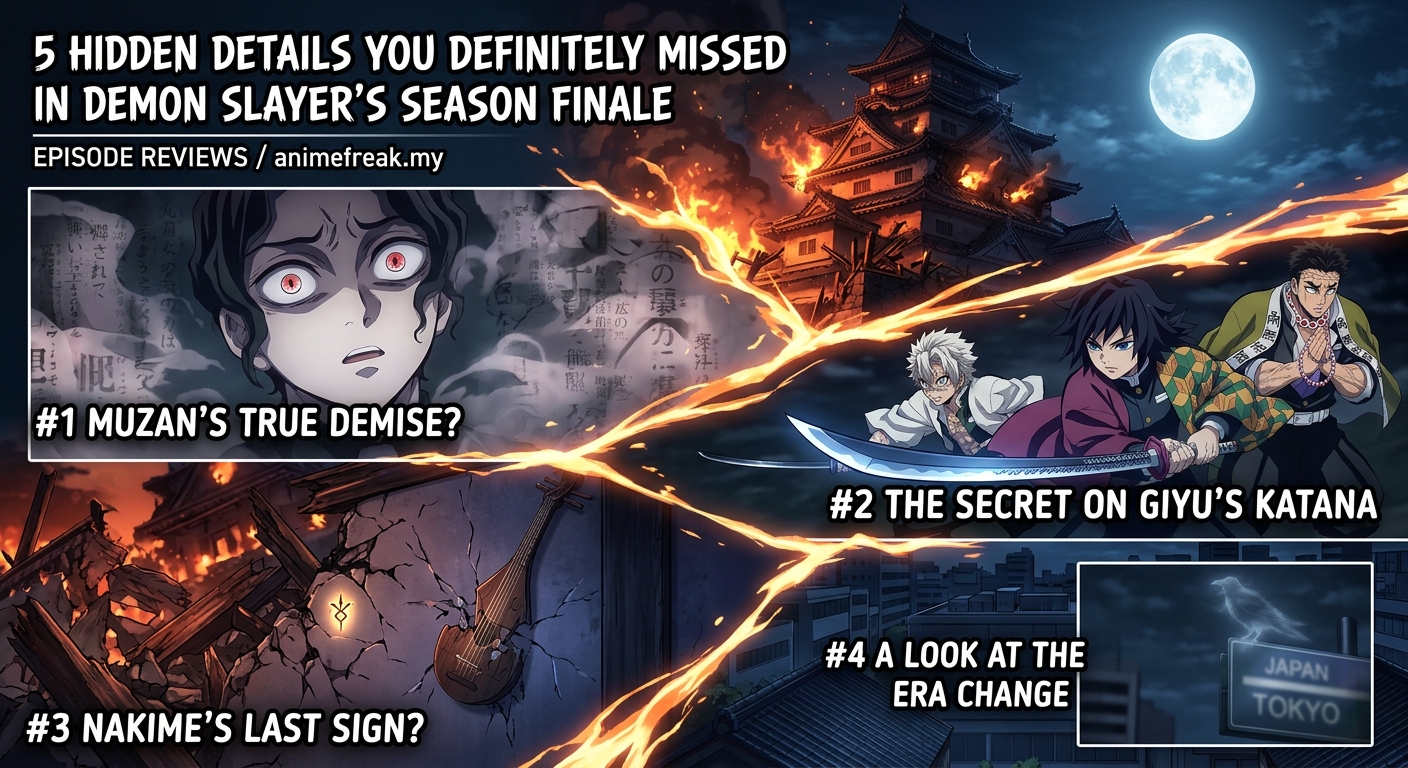
The finale contains multiple callbacks to Japanese folklore that enrich the narrative for viewers familiar with these stories. One demon’s defeat mirrors the tale of Momotaro, with specific visual elements matching traditional woodblock prints from the Edo period. The composition of the final strike recreates a famous ukiyo-e artwork, positioning the characters in identical poses.
Flower symbolism appears throughout the episode in ways that predict character fates. Spider lilies bloom in the background moments before tragedy strikes. Wisteria petals fall during moments of hope and protection. Cherry blossoms appear during scenes about the fleeting nature of life. Each flower carries specific meaning in Japanese culture, and the animators placed them with surgical precision.
The colour palette shifts tell their own story. Characters bathed in warm golden light survive their trials. Those surrounded by cool blues and purples face more uncertain futures. This colour coding extends to clothing details, with characters wearing specific shades that hint at their emotional journeys before the dialogue makes it explicit.
Background Characters With Surprising Connections
Several background characters in crowd scenes are actually relatives of demons defeated in earlier episodes. One elderly woman watching the final battle wears a distinctive hair ornament identical to one worn by a demon from season one. This suggests she’s the demon’s surviving family member, witnessing the end of the terror that took her loved one.
The medical team treating wounded slayers includes a young doctor whose facial features closely match a minor character who appeared briefly in the Entertainment District arc. Fans who freeze-framed both scenes discovered matching birthmarks and eye colours. This continuity rewards viewers who pay attention to even the smallest roles.
A child in the evacuation scenes carries a toy that replicates the design of a demon’s weapon from three episodes earlier. This detail implies the demon’s influence spread further than shown, affecting even children’s playthings. The toy appears in two separate shots, confirming it wasn’t accidental placement.
Musical Callbacks You Probably Missed
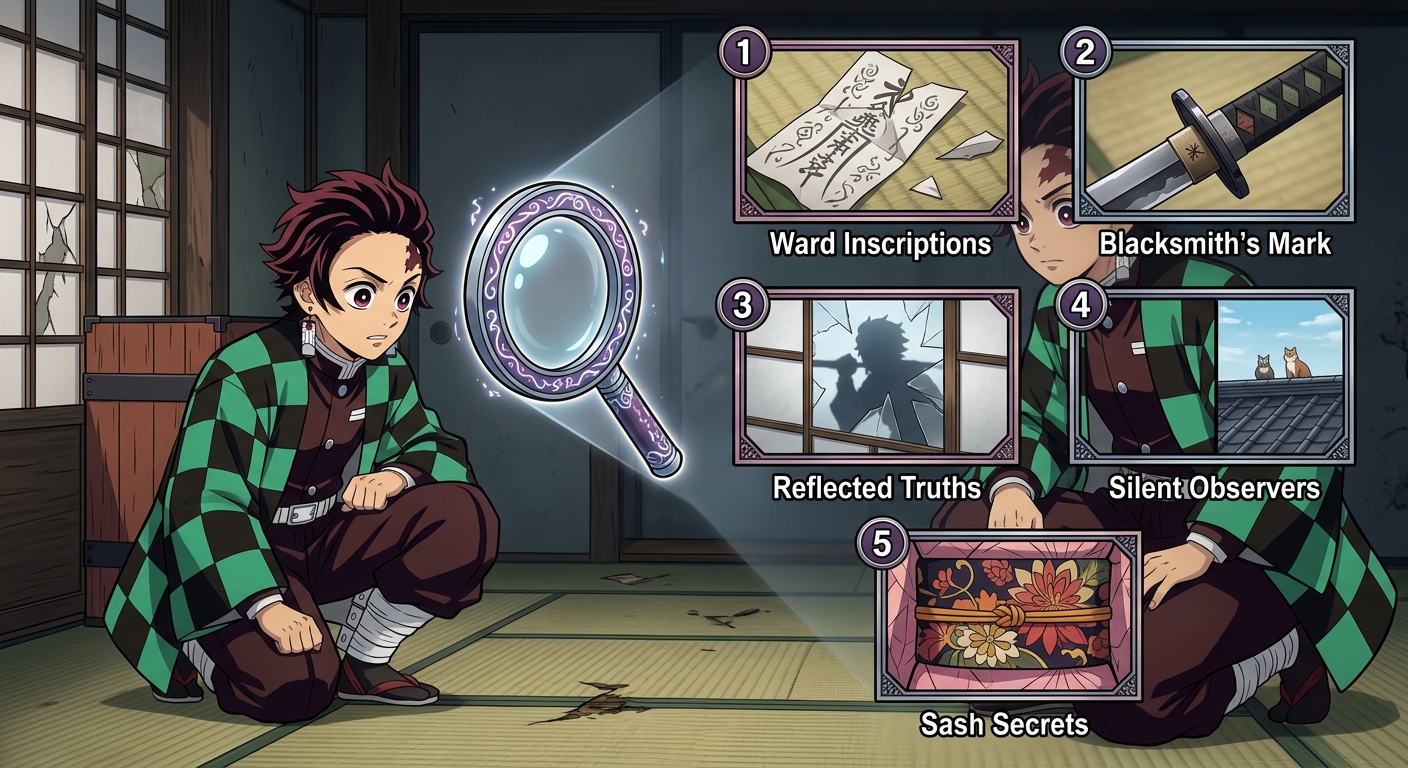
The soundtrack contains fragments of themes from earlier episodes woven into new compositions. During the finale’s emotional climax, listen carefully for a slowed-down version of the melody that played during Tanjiro’s first meeting with Rengoku. The connection honours their relationship without drawing obvious attention to itself.
Sound effects mirror earlier moments in subtle ways. The sound of a sword being drawn in the finale matches the exact audio signature from the first episode, but pitched slightly lower. This creates subconscious recognition in viewers’ minds, linking beginning and end without them consciously noticing.
Breathing sound effects contain layered audio. The main character’s breathing includes barely audible echoes of other characters’ breathing patterns. This audio Easter egg represents how he carries their teachings with him. Headphone users who listen closely can distinguish up to four different breathing rhythms layered into single breaths.
Foreshadowing Hidden in Earlier Episodes
The finale pays off setup from episodes that aired months earlier. A seemingly throwaway line of dialogue from episode three gains new meaning when events in the finale make it prophetic. Characters dismiss the statement as superstition, but it predicts the exact circumstances of the final battle.
Background posters and signs contain hidden messages. One shop sign visible for three seconds in an earlier episode displays text that, when translated, describes the finale’s outcome in vague terms. The sign appears deliberately positioned where attentive viewers might notice it during rewatches.
Character positioning in group shots from earlier episodes predicts their roles in the finale. Those standing in light survive. Those partially shadowed face challenges. Those in complete darkness don’t make it to the end. This visual foreshadowing operates on a subconscious level, creating unease without viewers understanding why.
How to Spot These Details Yourself
Finding demon slayer hidden details requires a systematic approach. Here’s how to train your eye for future episodes:
- Watch each episode twice, once for story and once for background details
- Pause during wide shots to examine background characters and environmental details
- Listen with quality headphones to catch audio layering and musical callbacks
- Take screenshots of scenes with unusual framing or composition choices
- Compare character positions and colour schemes across episodes
- Research Japanese cultural symbols that appear in the animation
- Join online communities where fans share observations and theories
This process transforms passive viewing into active analysis. You’ll start noticing patterns the creators intentionally planted for dedicated fans.
Common Details Fans Overlook
Most viewers focus on main characters and miss supporting cast reactions. Watch the faces of background slayers during major revelations. Their expressions often show knowledge that won’t become relevant until later episodes. These micro-expressions reward frame-by-frame analysis.
Environmental storytelling through weather and lighting gets overlooked during action sequences. The position of the sun, the direction of shadows, and the intensity of light all carry meaning. Scenes set at dawn represent new beginnings. Scenes at dusk show endings and transitions. Midday scenes feature harsh truths revealed in full light.
Costume details change throughout episodes in ways that reflect character development. A character might start an episode with their uniform pristine and end it with specific damage patterns that mirror their emotional wounds. Tears and stains appear in locations that symbolically match internal struggles.
| Detail Type | Where to Look | What It Reveals |
|---|---|---|
| Breathing patterns | Breath clouds, chest movement | Emotional state, technique mastery |
| Background characters | Crowd scenes, reaction shots | Story connections, world depth |
| Colour shifts | Lighting, clothing, environment | Character fate, emotional tone |
| Musical themes | Scene transitions, emotional moments | Narrative callbacks, relationship bonds |
| Environmental changes | Weather, time of day, shadows | Thematic meaning, story progression |
Expert Insights on Animation Storytelling
The best animation doesn’t just show you what’s happening. It shows you what characters are feeling, what the world means, and where the story is heading, all without a single word of dialogue. Every frame is an opportunity to add depth.
This philosophy guides the production team’s approach. They treat each episode as a puzzle box filled with clues for observant viewers. The hidden details aren’t necessary to understand the basic story, but they transform a good anime into an exceptional one for fans willing to look closer.
Why These Details Matter for Your Viewing Experience
Understanding demon slayer hidden details changes how you watch anime. You’ll start noticing similar techniques in other series. You’ll appreciate the craftsmanship that goes into each frame. You’ll catch foreshadowing that makes plot twists feel earned rather than surprising.
These details also fuel community discussion. Sharing observations with other fans creates connections and deepens appreciation for the medium. Online forums buzz with theories and discoveries for weeks after each episode airs. Being part of that conversation adds a social dimension to viewing.
The details also increase rewatch value. Each viewing reveals new layers. You’ll notice things on your third watch that were invisible the first time. This depth justifies the time investment for dedicated fans who want more than surface-level entertainment.
Technical Choices That Enhance Storytelling
The animation team uses specific technical approaches to hide information in plain sight. They employ a technique called “sakuga” for key moments, where elite animators handle crucial cuts. These sections contain extra detail that rewards close examination. The movement becomes more fluid, the expressions more nuanced, and the hidden symbolism more dense.
Frame rate variations create emphasis without viewers consciously noticing. Important moments might run at higher frame rates for smoother motion, while less crucial scenes use standard rates. This guides viewer attention through technical means rather than obvious visual cues.
Depth of field choices determine what stays sharp and what blurs. Significant background details remain in focus while unimportant elements blur out. This subtle direction tells viewers where to look without forcing their attention. The technique appears in nearly every scene but operates below conscious awareness.
Cultural Context That Unlocks Meaning
Many demon slayer hidden details reference Japanese history and culture. Understanding these references adds dimension to the viewing experience. The Taisho period setting includes authentic details about daily life, fashion, and social customs that Japanese viewers recognise instantly but international audiences might miss.
Religious symbolism from both Buddhism and Shinto appears throughout the series. Certain hand positions mirror traditional mudras. Architectural details on buildings reference temple design. These elements aren’t explained in dialogue but create authentic atmosphere for viewers familiar with Japanese spirituality.
Seasonal references follow the traditional Japanese calendar, which divides the year differently than Western calendars. Certain flowers, foods, and weather patterns signal specific times of year that carry cultural meaning. These temporal markers help Japanese audiences track story progression through cultural touchstones.
Animation Errors That Aren’t Actually Errors
Some apparent mistakes are actually intentional choices. A character’s hair might change length between scenes to represent time passing without showing it directly. A background object might shift position to indicate a character’s distorted perception during stress. What looks like continuity problems are often deliberate storytelling devices.
The production team occasionally includes “animation breaks” where the style shifts dramatically for a few frames. These moments represent heightened emotion or altered consciousness. The jarring visual change mirrors the character’s internal experience. Viewers who blink might miss these entirely, but they add texture for attentive watchers.
Colour grading shifts between cuts sometimes seem inconsistent but actually track emotional temperature. A scene might start warm and gradually cool as tension builds. The transition happens so gradually that viewers feel the change without seeing it. This manipulation of colour psychology guides emotional response.
What Rewatching Reveals
The true depth of demon slayer hidden details only becomes apparent through multiple viewings. First watches focus on plot and action. Second watches reveal character nuances. Third watches expose the intricate web of visual symbolism and foreshadowing woven throughout each episode.
Knowing how the season ends transforms earlier episodes. Lines of dialogue gain double meanings. Character choices that seemed random reveal careful planning. Background details that seemed decorative become crucial setup. The entire season functions as one cohesive narrative rather than disconnected episodes.
Fan communities compile comprehensive lists of discovered details, creating resources for deeper analysis. These collaborative efforts uncover connections that individual viewers might never notice. The community aspect turns detail hunting into a shared experience that extends the life of each episode far beyond its air date.
Making Every Frame Count
The Demon Slayer season finale demonstrates how modern anime can pack multiple layers of meaning into every scene. From animation techniques to cultural references, from musical callbacks to background character connections, the episode rewards viewers who engage actively with the material. These demon slayer hidden details aren’t just Easter eggs for hardcore fans. They’re integral parts of the storytelling that operate on conscious and subconscious levels simultaneously.
Whether you’re planning your first rewatch or your tenth, approaching each episode with fresh eyes and attention to detail will reveal new dimensions to the story. The production team crafted these hidden elements specifically for fans like you, viewers who care enough to look beyond the surface and appreciate the artistry involved in creating something truly special.