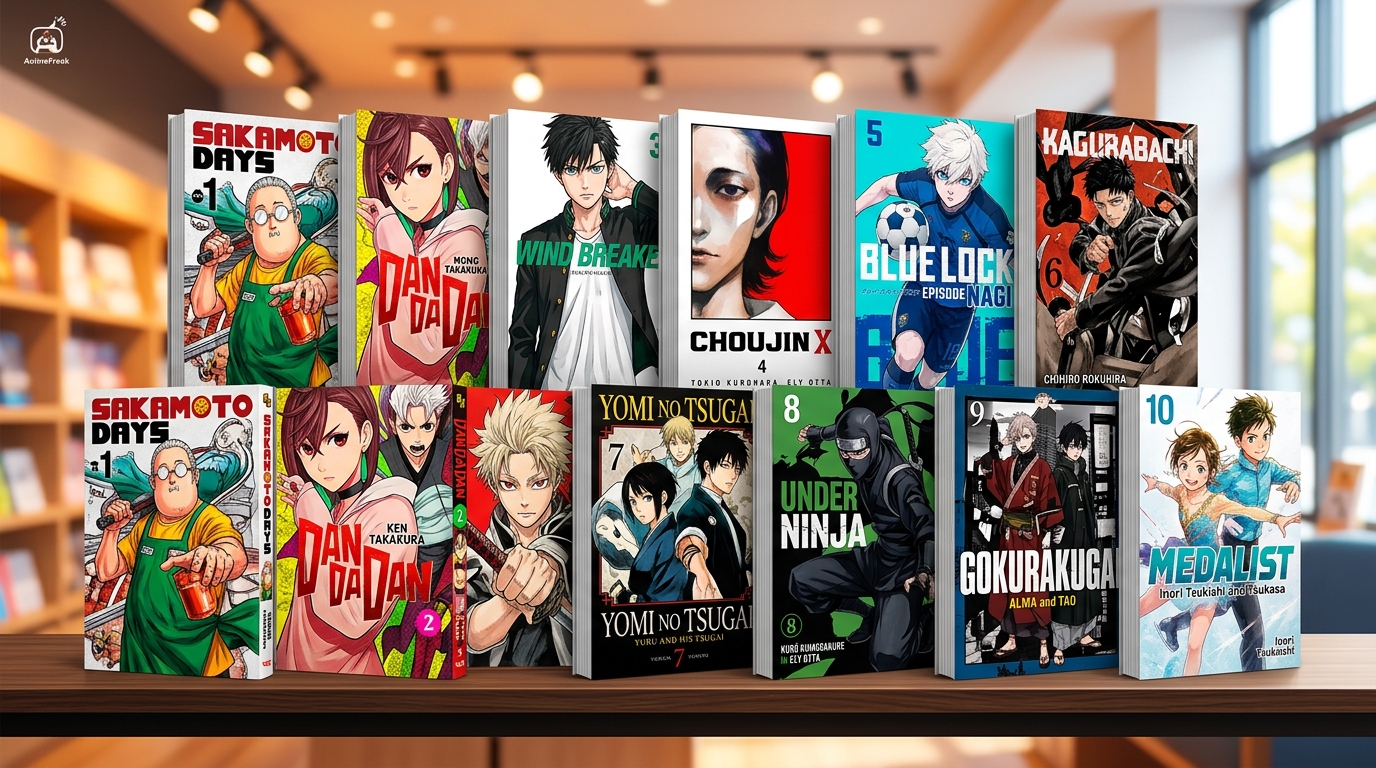
The anime industry churns out dozens of adaptations every season, yet countless brilliant manga series remain stuck on the page. Some have been waiting years for their moment in the spotlight. Others are so new that studios haven’t caught up to their potential yet.
Many exceptional manga series remain unadapted despite having compelling stories, unique art styles, and dedicated fanbases. This guide highlights ten manga that deserve anime adaptation, ranging from supernatural action to heartwarming slice-of-life tales. Each series offers something fresh that could translate beautifully to animation, filling gaps in current anime offerings whilst appealing to diverse viewer preferences.
Why Great Manga Gets Left Behind
The gap between published manga and anime adaptations grows wider each year. Studios often play it safe, choosing franchises with guaranteed fanbases or sticking to familiar genres. This leaves innovative series waiting indefinitely.
Several factors determine which manga get animated:
- Sales numbers and commercial viability
- Studio capacity and scheduling conflicts
- Production committee decisions and funding
- Rights negotiations between publishers and studios
- Demographic targeting and market trends
Sometimes a manga is simply ahead of its time. Other cases involve rights issues or author preferences. The result is the same: readers miss out on seeing their favourite stories come to life.
Ten Manga Series Waiting for Their Animation Debut
These selections represent different genres and storytelling approaches. Each brings something special that would work brilliantly in animated form.
1. Akane-Banashi
This rakugo manga has everything studios look for. The art captures performance nuances perfectly. The protagonist’s journey from novice to master storyteller provides natural story arcs.
Rakugo, traditional Japanese comedic storytelling, has barely been touched in anime. Akane’s determination to honour her father’s legacy whilst carving her own path creates emotional depth. The competitive tournament structure gives each season clear goals.
Animation could enhance the performance scenes dramatically. Imagine camera angles shifting during storytelling sequences, visual metaphors appearing as Akane describes scenes, and audience reactions amplifying the comedy.
2. Choujin X
Sui Ishida’s post-Tokyo Ghoul work deserves studio attention. The story follows ordinary teenagers gaining supernatural powers through transformation into “choujin.” Unlike typical superhero tales, this series focuses on the psychological weight of power.
The body horror elements and transformation sequences would translate beautifully to animation. Ishida’s detailed art style, particularly during action scenes, practically begs for fluid motion. Character designs are distinctive enough to make merchandising straightforward.
Monthly serialisation means there’s substantial material ready for adaptation. The pacing allows for character development between action sequences, creating a balanced viewing experience.
3. Sanda
This supernatural mystery follows a girl who can see and communicate with yokai. The twist: she uses this ability to run a detective agency solving both human and spirit-related cases.
Each case functions as a self-contained episode whilst building toward larger mysteries. The yokai designs range from adorable to terrifying, giving animators creative freedom. Urban fantasy settings with Japanese folklore elements remain popular with international audiences.
The episodic structure makes it perfect for seasonal anime. Studios could test reception with a single cour before committing to longer runs.
4. Dandadan
Combining alien encounters with supernatural yokai creates chaotic energy that screams for animation. The series balances horror, comedy, and romance whilst maintaining breakneck pacing.
Action sequences feature creative power combinations and unexpected tactics. The visual comedy relies on exaggerated expressions and reaction shots that animation enhances naturally. Character chemistry between the leads drives emotional investment.
Science fiction and supernatural elements mixing together fills a niche that few current anime occupy. The tonal shifts from terrifying to hilarious happen rapidly, keeping viewers engaged.
5. Kagura Bachi
Sword-based action manga remain popular, but this series adds unique magical elements. The protagonist wields an enchanted katana seeking revenge for his father’s murder. Traditional samurai aesthetics meet modern urban settings.
Combat choreography in the manga is exceptional. Each fight showcases different sword techniques and magical abilities. The revenge plot provides clear motivation whilst allowing for character growth.
Animation studios specialising in action sequences would have fantastic material here. Fluid sword movements, magical effects, and intense facial expressions during battles would create memorable episodes.
6. Gachiakuta
Post-apocalyptic settings never go out of style. This series follows outcasts living in a trash-filled abyss beneath a floating city. The protagonist gains powers from discarded objects, creating unique combat scenarios.
The world-building is intricate without being overwhelming. Social commentary about class divisions and environmental destruction adds depth. Character designs are gritty and memorable.
Visual storytelling opportunities abound. Animating the contrast between the pristine upper city and the grimy lower levels would create striking imagery. Transformation sequences where trash becomes weapons offer creative animation potential.
7. Hikaru ga Shinda Natsu
Psychological horror with subtle supernatural elements makes this series stand out. A boy realises his best friend has been replaced by something else wearing his friend’s appearance. The replacement knows it’s been discovered but continues the charade.
The tension builds through everyday interactions rather than jump scares. Atmospheric horror anime remain relatively rare, making this a fresh addition. Character psychology and relationship dynamics drive the narrative.
Animation could enhance the unsettling atmosphere through colour choices, sound design, and subtle visual cues. The rural Japanese setting provides beautiful backgrounds that contrast with the horror elements.
8. Kowloon Generic Romance
Slice-of-life romance set in a nostalgic recreation of Kowloon Walled City offers unique appeal. The protagonist navigates daily life whilst experiencing strange temporal anomalies. Reality feels slightly off, creating dreamlike uncertainty.
The detailed backgrounds recreating historical architecture would look stunning animated. Quiet moments between characters allow for subtle emotional storytelling. Mystery elements keep viewers guessing about the true nature of the setting.
This would work perfectly as a contemplative, atmospheric series. Studios looking for something different from typical romance anime should take notice.
9. Versus
High-concept action featuring humanity’s greatest warriors fighting demons from another world delivers spectacle. Historical figures and legendary fighters team up against overwhelming odds.
Each character brings distinct fighting styles and personalities. Battle sequences span multiple chapters, allowing for extended animated fights. The stakes escalate consistently whilst maintaining character focus.
Animation would bring these larger-than-life battles to their full potential. Studios with strong action animation teams could create something truly special here.
10. Centuria
A manga told entirely through illustrations without dialogue presents unique challenges and opportunities. The story follows a young girl in a war-torn world, conveying emotion purely through visuals.
This format would translate naturally to anime with minimal adaptation needed. Music and ambient sound could replace dialogue, creating an experimental viewing experience. The art style is gorgeous and distinct.
Studios willing to take creative risks could produce something genuinely innovative. The lack of dialogue removes localisation barriers, potentially broadening international appeal.
What Makes These Series Animation-Ready
Certain qualities make manga particularly suitable for anime adaptation. Understanding these factors helps explain why some series transition smoothly whilst others struggle.
| Quality | Why It Matters | Example From List |
|---|---|---|
| Visual storytelling | Reduces exposition, increases impact | Centuria’s dialogue-free narrative |
| Clear story arcs | Enables seasonal planning | Akane-Banashi’s tournament structure |
| Distinctive art | Helps with character recognition | Choujin X’s detailed designs |
| Action sequences | Showcases animation strength | Versus’s epic battles |
| Emotional depth | Creates viewer investment | Hikaru ga Shinda Natsu’s relationships |
These manga already do heavy lifting visually. Animators can enhance what’s there rather than completely reimagining the source material.
Common Obstacles Facing Manga Adaptations
Understanding why great manga remain unadapted helps set realistic expectations. The process involves more than artistic merit.
Budget constraints limit how many series get produced annually. A single season requires millions of ringgit and hundreds of staff members. Studios must balance artistic ambition with financial reality.
Scheduling conflicts affect everything. Popular studios book years in advance. Voice actors juggle multiple projects. Production committees need unanimous agreement before greenlighting projects.
Author involvement varies significantly. Some creators maintain tight control over adaptations. Others prefer hands-off approaches. Negotiations can stall projects indefinitely.
“The best adaptations happen when manga artists, directors, and studios share the same vision. Without that alignment, even popular series can fail to capture what made the original special.” – Industry observer on adaptation challenges
Genre Gaps in Current Anime Offerings
Looking at what’s missing from current anime seasons reveals opportunities. These manga fill specific niches that remain underserved.
Atmospheric horror anime appear infrequently despite strong fan interest. Series like Hikaru ga Shinda Natsu could satisfy viewers craving psychological tension. The success of occasional horror anime proves demand exists.
Experimental storytelling formats rarely get attempted. Centuria’s visual-only approach represents untapped potential. Studios playing it safe miss chances to create memorable experiences.
Adult-oriented slice-of-life content focusing on everyday struggles rather than high school romance would appeal to aging anime fans. Kowloon Generic Romance targets this demographic effectively.
How Fan Communities Influence Adaptation Decisions
Reader enthusiasm does matter, though not always in obvious ways. Studios monitor social media, sales figures, and international interest when evaluating properties.
Vocal fanbases help, but sustained engagement matters more. Consistent sales across volumes demonstrate staying power. Viral moments on platforms like Twitter can raise a series’ profile significantly.
International licensing deals sometimes precede anime announcements. Publishers testing overseas markets through official translations often signals adaptation consideration. Fan translations, whilst popular, complicate licensing negotiations.
Merchandise potential factors into decisions heavily. Character designs that work well for figures, apparel, and other products make series more attractive to production committees.
What Readers Can Do While Waiting
Supporting manga directly increases adaptation chances. Purchasing official volumes, both physical and digital, demonstrates commercial viability. Publishers notice sales trends.
Engaging with official social media accounts and using relevant hashtags raises visibility. Studios do monitor fan discussions when evaluating properties.
Recommending series to others expands the potential audience. Word-of-mouth remains powerful for building momentum. Writing reviews on retailer websites helps new readers discover titles.
Patience matters too. Some manga take years between initial publication and anime announcement. Demon Slayer waited years before its breakthrough adaptation. One Punch Man’s webcomic origins to anime success spanned nearly a decade.
The Right Studio Makes All the Difference
Matching series with appropriate studios dramatically affects adaptation quality. Action-heavy manga need studios with strong sakuga animators. Character-driven stories require directors skilled at subtle emotional beats.
Consider these studio strengths when imagining adaptations:
- Action specialists like MAPPA or Ufotable would handle Versus or Kagurabachi brilliantly
- Atmospheric studios such as Shaft or Studio Deen could elevate Hikaru ga Shinda Natsu’s horror
- Character-focused teams like Kyoto Animation would do justice to Kowloon Generic Romance’s quiet moments
Budget allocation matters as much as raw talent. A smaller studio with proper funding often outperforms larger studios stretched thin across multiple projects.
Timing and Market Trends
Anime trends shift constantly. What seems unmarketable one year becomes the next big thing. Studios often chase trends rather than setting them.
The current popularity of dark fantasy creates opportunities for series like Gachiakuta. Isekai fatigue opens doors for fresh supernatural concepts like Dandadan. Romance anime experiencing a renaissance benefits series like Kowloon Generic Romance.
Seasonal scheduling affects everything. Winter seasons traditionally feature more serious, dramatic content. Summer leans toward action and adventure. Studios plan releases around these patterns.
International streaming has changed calculations entirely. Series that might have seemed too niche for Japanese television alone can thrive globally. Studios increasingly consider worldwide appeal during planning.
Your Next Manga Discovery Awaits
These ten series represent just a fraction of brilliant manga waiting for animation. Each offers something different, whether you prefer action, horror, romance, or experimental storytelling.
The manga industry produces incredible work constantly. Not everything needs an anime adaptation to be worthwhile, but these particular series would genuinely benefit from the medium. Their stories, art, and characters practically demand motion, voice acting, and musical scores.
Start with whichever premise catches your attention. Support the creators by purchasing official releases. Join communities discussing these series. Who knows? Your enthusiasm might help tip the scales toward that long-awaited adaptation announcement.
Leave a Reply